Smart Garden Irrigation: Building a Local-Control Watering System
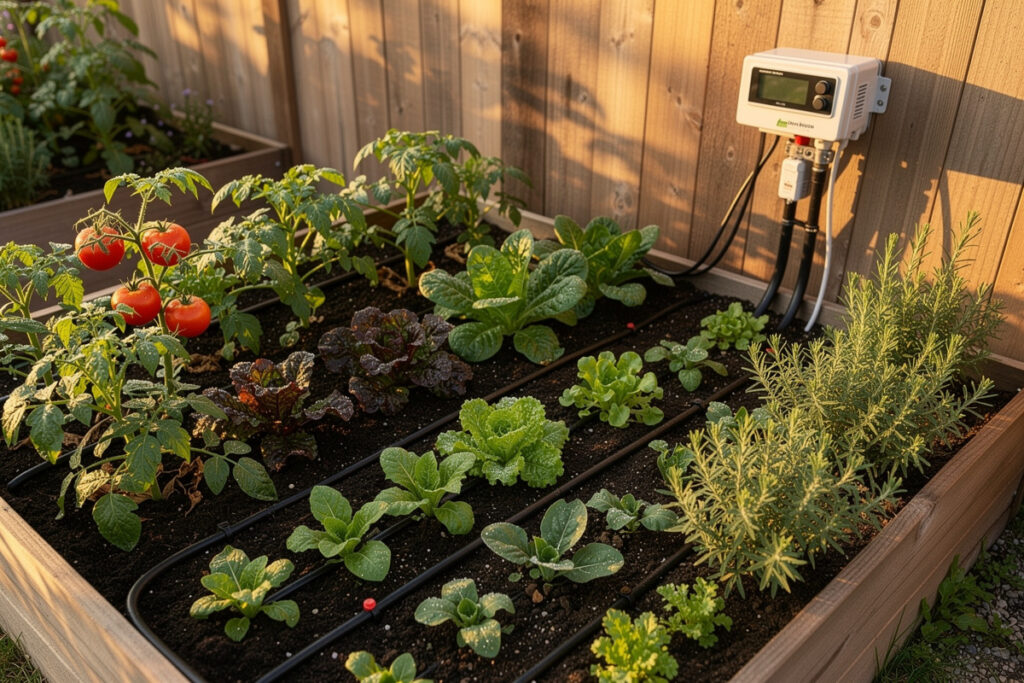
A smart garden irrigation system waters your beds and lawn on local schedules that automatically skip the rain, cutting outdoor water use by 20 to 50 percent while keeping plants healthier than a fixed timer ever could. In my setup, the watering controller lives on the same Home Assistant hub as everything else, so a rain forecast cancels the morning cycle before a drop falls.
The difference between a “smart timer” and a real smart irrigation system is where the intelligence lives. A cloud-only Wi-Fi timer that needs a working internet connection to run its schedule is a downgrade from a $15 mechanical timer the first time your connection drops. A properly built system runs locally, reacts to weather and soil data, and treats the manufacturer’s app as optional. This guide covers how to build that — controller, valves, zones, sensors, and the rules that tie them together.
How Smart Garden Irrigation Works
A smart irrigation system has three parts: a controller that decides when to water, valves that open and close each zone, and sensors or weather data that adjust the schedule. The controller is the brain; everything else is an actuator or an input. Get the controller’s local-control story right and the rest follows.
In practice, the controller energizes a solenoid valve for a chosen zone, water flows to that zone’s drip lines or sprinklers, and the valve closes when the run time elapses. The “smart” part is the layer above: instead of a fixed clock, the controller checks whether it rained, whether rain is forecast, what the season is, and sometimes a soil-moisture reading before deciding to run at all. The way I have mine wired, those decisions happen on the local hub, so the schedule keeps running through an internet outage — it just falls back to the last known forecast rather than a live one.
Controller Types: Cloud Timer vs Local Controller
There are two real categories: standalone Wi-Fi controllers with their own app, and dumb valves driven by your hub. A standalone unit is simpler to install; a hub-driven setup is more flexible and survives outages. For most automation-minded gardeners, a hub-driven valve setup wins on reliability.
A standalone smart controller replaces your existing sprinkler timer and runs its own logic, usually leaning on the cloud for weather. Some keep a local schedule cached, which is the feature to look for. The alternative I run is a Zigbee or Z-Wave irrigation valve controlled entirely by the hub, where all the weather logic lives in my automations rather than a vendor’s server. If you want a product-by-product comparison of the standalone units, my best smart sprinkler controller guide breaks down the major models and which ones keep a local schedule. This irrigation guide is the system-level companion to that roundup.
Drip vs Sprinkler: Choosing Your Delivery
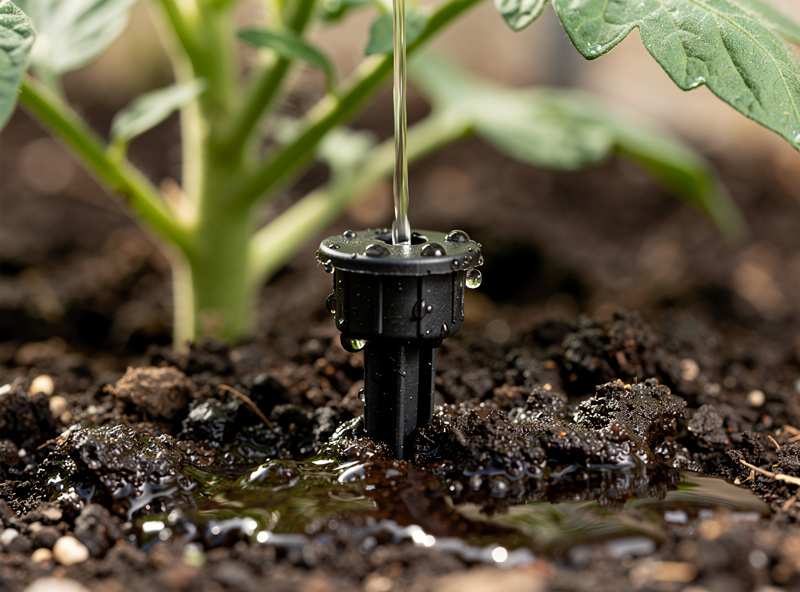
Drip irrigation delivers water slowly at the root zone with 90 percent efficiency, while sprinklers cover broad lawn areas but lose more to evaporation and wind. For garden beds and containers, drip wins decisively; for turf, sprinklers or rotary nozzles are the practical choice. Most yards need both, on separate zones.
The reason to keep them on separate zones is that they want completely different run times. A drip zone might run 30 to 45 minutes to soak the root zone deeply, while a spray zone runs 10 minutes more often. Mixing them on one valve guarantees one of them is wrong. I run my raised beds on a low-flow drip zone and the small lawn patch on a separate spray zone, each with its own schedule in the hub. The horticultural side — how deeply and how often a given crop actually wants water — is worth reading alongside this; this garden watering guide covers the plant science that the automation then executes.
Rain Skip and Weather Adjustment
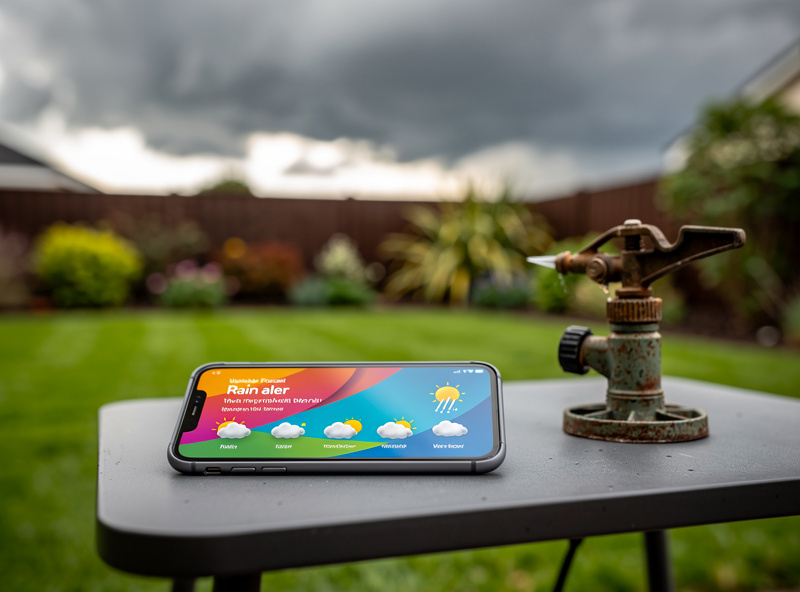
The single highest-value feature is rain skip: the system checks the forecast and recent rainfall and cancels watering it doesn’t need. A good rain-skip setup can cut summer irrigation cycles by a third or more, and it’s the feature that pays back the whole system in water savings. Build it on local weather data feeding the hub.
Beyond a simple rain skip, seasonal adjustment scales every zone’s run time up in July and down in October automatically, so you’re not manually re-timing the controller four times a year. The more advanced version reads a soil-moisture sensor and only waters when the soil actually needs it — the gold standard, because it measures the thing you care about instead of guessing from weather. All of this is just a set of conditions on the hub, which is why I keep the irrigation logic in the same rule engine as the rest of the yard rather than trapped in a single device’s firmware.
Smart Irrigation Approaches Compared
Here is how the common approaches stack up on the factors that decide whether a system is worth installing: efficiency, local-control capability, install difficulty, and best use.
| Approach | Water Efficiency | Runs Without Internet? | Install Difficulty | Best For |
|---|---|---|---|---|
| Mechanical timer | Low | Yes | Easy | Basic backup |
| Cloud Wi-Fi controller | Medium-High | Only if cached | Easy | Simple retrofit |
| Hub-driven valve (Zigbee/Z-Wave) | High | Yes | Moderate | Full automation |
| Drip + soil sensor + hub | Very High | Yes | Moderate-Hard | Serious gardeners |
Installing and Zoning the System
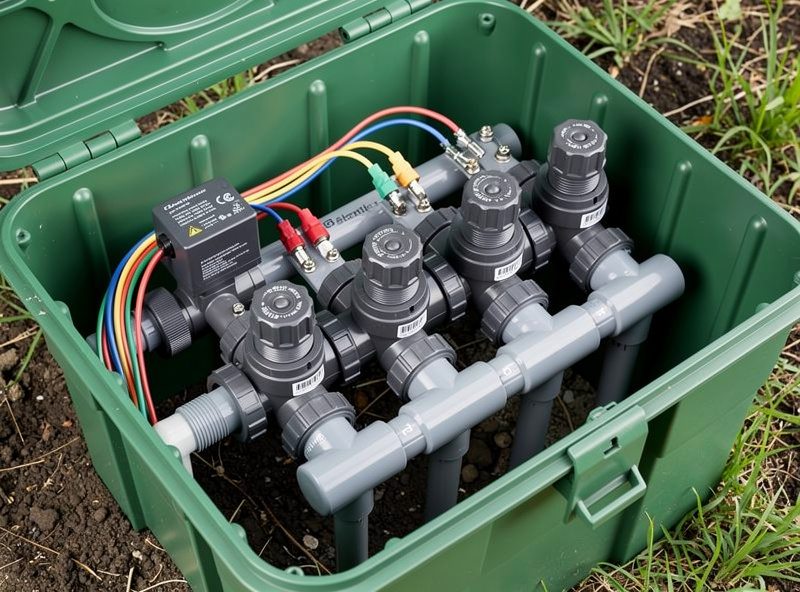
Start by mapping your watering into zones grouped by plant type and sun exposure, because each zone needs its own schedule. A typical small property has three to six zones: front beds, back beds, lawn, containers, and maybe a greenhouse or pots run. Group by water need, not by geography.
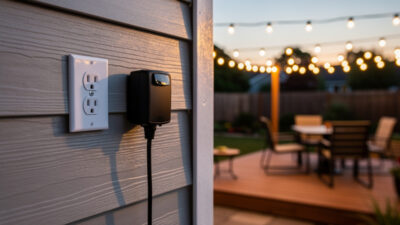
Mount the controller in a weatherproof enclosure — IP55 or better — on a sheltered exterior wall, run low-voltage wire to each valve at the manifold, and keep the valves themselves below ground in a valve box or under cover. Power the controller from a weatherproof GFCI outlet, ideally one you can monitor; an outdoor smart plug on that circuit lets the hub see whether the controller has power at all. The whole outdoor build, including how irrigation fits with lighting and sensing, is laid out in my smart outdoor automation guide.
A Note on Gear
Some links below are affiliate links. If you buy through them I may earn a small commission at no extra cost to you. I only point to gear that fits the local-control approach I actually run.
For a hub-driven setup, the pieces I’d point a reader toward are a Zigbee irrigation valve controller that integrates locally, a drip irrigation kit for the beds, and a soil-moisture sensor so the system waters on actual need rather than a guess.
Frequently Asked Questions
How much water does smart irrigation save?
A smart irrigation system with rain skip and seasonal adjustment typically cuts outdoor water use by 20 to 50 percent versus a fixed timer, mostly by skipping cycles when it has rained or rain is forecast and by scaling run times to the season.
Does smart irrigation work without internet?
It depends on the controller. A hub-driven valve setup keeps running schedules locally during an outage. Many cloud Wi-Fi controllers stop or revert to a basic schedule if they cannot reach their server, so look for one that caches schedules locally.
Is drip or sprinkler better for a smart garden?
Drip is far more efficient for beds and containers, delivering water at the root zone with around 90 percent efficiency. Sprinklers suit lawns. Most yards use both on separate zones because they need different run times and schedules.
Do I need a soil moisture sensor?
You do not need one, but it is the gold standard. A soil-moisture sensor lets the system water based on actual soil conditions rather than weather estimates, which prevents both overwatering and drought stress more reliably than rain skip alone.
How many zones does a typical yard need?
Most small properties use three to six zones grouped by plant type and sun exposure: front beds, back beds, lawn, and containers. Grouping by water need rather than geography is what lets each zone run an appropriate schedule.
Can I retrofit smart control onto existing sprinklers?
Yes. You can replace the existing timer with a smart controller that drives your current valves, or add a hub-controlled relay. The valves and pipes stay; only the brain changes, which makes a retrofit straightforward on most installed systems.