Best Smart Pet Feeders with Camera — Monitor Meals (2026)
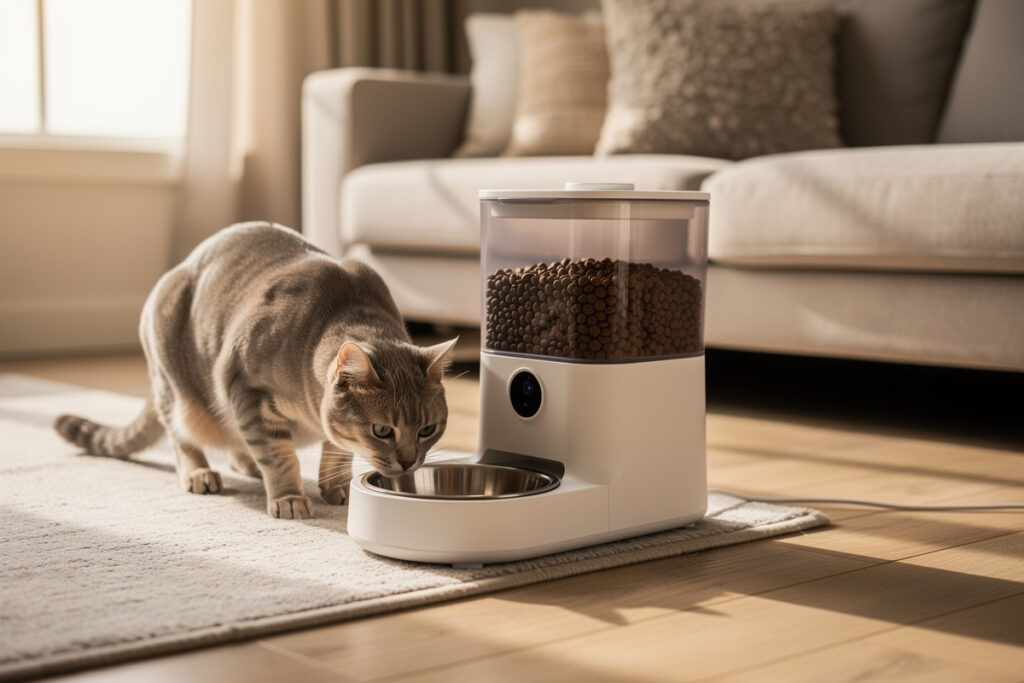
The best smart pet feeders with camera let you dispense meals, monitor via HD video, and talk to your pet through two-way audio — all from your phone. The Petlibro Granary Camera Feeder leads with a 5-liter hopper, 1080p night vision, and anti-clog auger at around $130.
I set up a smart feeder for my two cats after a weekend trip where the neighbor overfed them by nearly double. Portion control through automation is the feature that actually earns its keep — pancreatitis treatment in dogs and cats runs anywhere from a few hundred dollars for a mild outpatient case to well over $1,500-2,500 for a hospitalized moderate-to-severe one, per veterinary cost data, and consistent overfeeding is one of the risk factors vets flag. The camera is nice. The locked-down portion schedule is what saves money.
Disclosure: HomeAutoCentral is reader-supported. As an Amazon Associate I earn from qualifying purchases, at no extra cost to you. I only recommend gear worth your money.
Why Smart Pet Feeders Matter
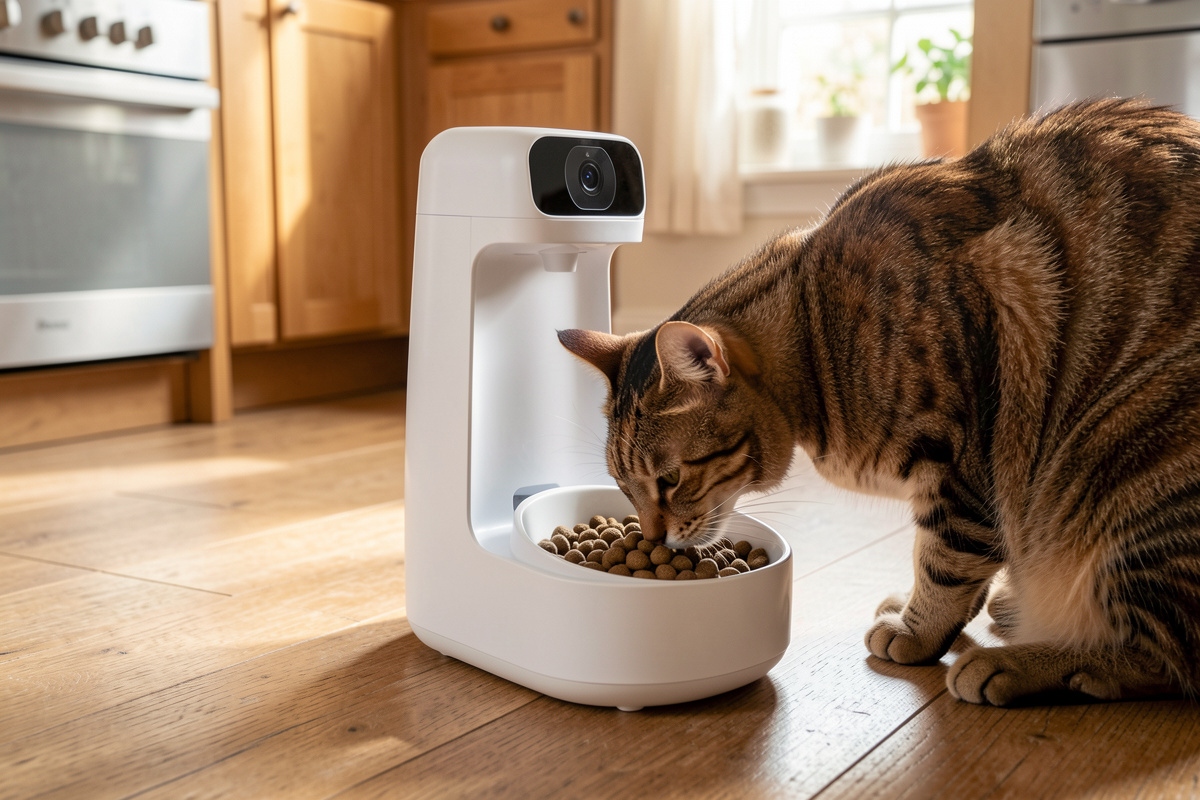
Smart pet feeders with cameras solve the two biggest concerns of pet owners: ensuring pets eat on schedule and verifying they actually eat their food. Irregular feeding disrupts digestion, causes obesity, and increases anxiety. Smart feeders deliver precise portions at scheduled times while HD cameras let you watch meals in real-time. The $80-200 investment prevents costly vet visits and eliminates the worry of leaving pets alone during workdays or travel.
Irregular feeding schedules disrupt pet digestion and behavior. Smart feeders eliminate human error and inconsistency by delivering precise portions at scheduled times regardless of your availability. This regularity supports healthy digestion, prevents obesity through portion control, and reduces anxiety for pets who worry about meal timing.
Camera integration addresses a fundamental concern: verifying that pets actually eat their food. Cats especially may appear to eat while actually avoiding food due to illness or stress. Visual confirmation provides peace of mind and early warning of health changes that manifest as appetite loss. For multi-pet households, cameras help ensure each animal receives their designated food without competition or theft. For other smart home accessories that improve daily life, see the best smart home accessories guide.
How Smart Pet Feeders Work
Smart pet feeders use motorized augers or conveyor belts to dispense measured portions of dry kibble from a storage hopper into a feeding bowl. Built-in WiFi cameras stream live video to smartphone apps, while two-way audio lets you speak to your pet remotely. Most models support 2-6 scheduled meals daily with portion sizes ranging from 1/8 cup to multiple cups per serving.
Modern smart pet feeders combine mechanical food storage and dispensing with sophisticated electronics controlling portions, schedules, and connectivity. Most systems use auger or conveyor mechanisms to move dry kibble from a storage hopper into a feeding bowl on programmable schedules.
Camera systems typically include wide-angle HD lenses with night vision capability, allowing monitoring in any lighting conditions. Two-way audio systems feature speakers and microphones that enable you to hear your pet and speak to them remotely. Some advanced models include treat dispensers separate from main meals for interaction and training.
Connectivity occurs via WiFi, transmitting video feeds to smartphone apps and receiving schedule updates or manual feeding commands. Cloud storage options save video clips of feeding events for review, while local SD card storage provides privacy-conscious alternatives that avoid internet dependency.
Top Smart Pet Feeders with Cameras
The best smart pet feeders with cameras range from about $100 budget options to $210 premium models. The Petlibro Granary Camera Feeder ($130) leads with its 5-liter capacity, 1080p HD camera, and anti-clog auger design. WOpet 7L offers the largest food capacity at 7 liters. Furbo 360 excels for dogs with its unique treat-tossing feature and 360-degree rotating camera.
| Product | Capacity | Camera Quality | Special Features | Price |
|---|---|---|---|---|
| Petlibro Granary Camera | 5 liters | 1080p HD, night vision | Anti-clog design, voice recording | $130 |
| WOpet 7L Smart Feeder | 7 liters | 1080p HD, motion detection | Large capacity, flexible scheduling | $150 |
| Furbo 360 Camera | Treat only | 1080p HD, 360 rotation | Treat tossing, bark alerts | $210 |
| Arf Pets Feeder with Camera | 29 cups | 1080p HD, 2-way audio | Large hopper, budget-friendly | $100 |
| Petkit YumShare Solo | 5 liters | 1080p HD, AI pet recognition | Single-hopper, app scheduling | $150 |
Petlibro Granary Camera Feeder
Petlibro Granary Camera Feeder combines generous 6-liter capacity with a 1080p HD camera featuring night vision and 145-degree wide-angle coverage. The anti-clogging auger design handles various kibble sizes reliably, while the double-fresh lock system preserves food freshness. The PETLIBRO app supports multiple users with different permission levels, making it perfect for families or pet sitters. Voice recording allows you to call pets to meals with familiar sounds even when away.
WOpet Smart Pet Camera with Feeder
WOpet 7L Smart Feeder with Camera offers one of the largest food capacities available, reducing refill frequency for busy households. The 1080p camera includes motion detection that triggers automatic recording when pets approach. Two-way audio with high-quality speaker lets you talk to pets clearly, and the app supports snapshot capture and video recording to your phone. Program up to 6 meals daily with flexible portion sizes from 1-20 portions per meal.
Furbo 360 Dog Camera with Treat Dispenser
Furbo 360 Dog Camera with Treat Tossing specializes in canine interaction with its unique treat-tossing feature that launches snacks across the room for play. The 360-degree rotating camera provides complete room coverage with 1080p HD and night vision. Bark alert notifications inform you when your dog is noisy, potentially indicating distress or intruders. Two-way audio and AI-powered dog activity alerts create comprehensive monitoring. While primarily a treat dispenser rather than full meal feeder, it excels for mid-day snacks and interaction.
Setting Up Your Smart Pet Feeding System
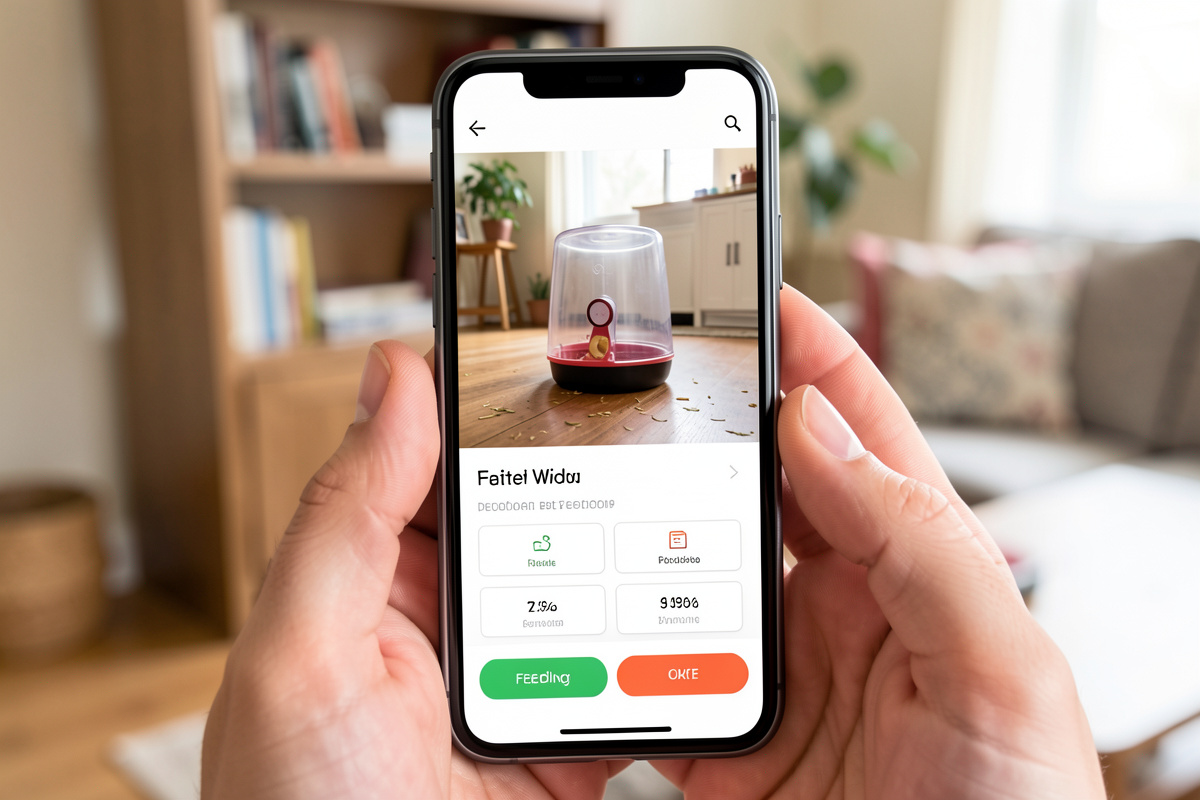
Setting up a smart pet feeder takes 10-30 minutes from unboxing to first scheduled meal. Choose a low-traffic location with reliable WiFi, introduce the feeder gradually while you are home, and program meals matching your pet current routine. Most adult cats and dogs thrive on 2-3 meals daily, while puppies and kittens need more frequent feeding.
Location Selection
Position feeders away from high-traffic areas where vibrations might trigger false motion alerts, but within reliable WiFi coverage. Ensure the location remains accessible for cleaning and refilling. For multi-pet households, consider separate feeding stations to prevent food guarding or competitive eating.
Gradual Introduction
Introduce smart feeders while you are still home to help pets associate the device with positive experiences. Place familiar food in the new feeder alongside their regular bowl, gradually transitioning to exclusive smart feeder use. Use the camera to observe initial reactions and adjust placement if pets seem hesitant.
Schedule Programming
Program feeding schedules matching your pet’s current routine to minimize disruption. Most adult cats and dogs thrive on 2-3 meals daily, while puppies and kittens require more frequent feeding. Start with conservative portion sizes and adjust based on your pet’s weight maintenance and veterinarian recommendations.
Camera Angle Optimization
Position the camera to capture the feeding bowl clearly while showing surrounding area context. Test night vision capability to ensure visibility in dim lighting. Adjust motion detection sensitivity to avoid excessive alerts from normal pet movement while capturing genuine feeding events.
Advanced Features and Capabilities
Premium smart pet feeders go far beyond basic timed dispensing. AI-powered cameras recognize individual pets for multi-pet households. Health monitoring tracks consumption patterns over time to detect illness early. Smart home integration connects feeders to voice assistants and automation routines. These advanced features transform a simple feeder into a comprehensive pet care system.
Premium smart pet feeders offer sophisticated capabilities beyond basic dispensing and video:
Portion Control Precision: Program exact portion sizes from 1/8 cup to multiple cups depending on pet size and dietary needs. Some systems measure by weight rather than volume for greater accuracy, crucial for pets on strict diets.
Multi-Pet Recognition: AI-powered cameras identify individual pets through facial recognition, enabling customized feeding programs for each animal. This technology prevents food stealing and supports different dietary requirements within multi-pet households.
Health Monitoring: Track consumption patterns over time, identifying appetite changes that might indicate illness. Some systems integrate with veterinary platforms, sharing feeding data during telehealth consultations or routine checkups.
Smart Home Integration: Connect feeders to Alexa, Google Home, or smart home hubs for voice-controlled feeding or automated schedules coordinated with your daily routines. Create routines like “When I leave for work, dispense breakfast” — and pair with smart curtain openers and smart sprinkler controllers for a complete away-from-home automation setup.
Emergency Backup Power: Battery backup systems ensure feeding continues during power outages, maintaining your pet schedule regardless of electrical disruptions.
Video Monitoring Features
The camera is what separates a smart pet feeder from a basic automatic feeder. Look for 1080p HD resolution, night vision for dark rooms, wide-angle lenses (120-160 degrees) for full room coverage, and two-way audio for speaking to your pet. Cloud storage saves feeding event clips for review, while local SD cards offer privacy-focused alternatives.
Camera capabilities vary significantly between models. Consider these features when selecting your smart feeder:
Resolution and Frame Rate: 1080p HD provides clear detail for observing pet behavior and food consumption. 720p suffices for basic monitoring but lacks detail for small pets or distant viewing. Higher frame rates (30fps) capture smooth motion better than lower rates (15fps).
Field of View: Wide-angle lenses (120-160 degrees) show more environment but introduce edge distortion. Standard angles (60-90 degrees) provide clearer images of the immediate feeding area without context of surrounding space.
Night Vision: Infrared LEDs enable monitoring in complete darkness without disturbing pets. Quality varies from grainy monochrome to relatively clear low-light imaging. Consider your home’s typical lighting when evaluating this feature.
Cloud Storage vs Local Recording: Cloud services provide convenient access from anywhere but require subscriptions for extended storage. Local SD card storage avoids monthly fees and privacy concerns but requires physical access to retrieve footage.
Maintenance and Food Safety
Proper maintenance ensures food safety and feeder longevity:
Regular Cleaning: Disassemble and wash all food-contact components weekly with warm soapy water. Dry thoroughly before reassembly to prevent mold growth. Many hopper components are dishwasher-safe — check manufacturer instructions.
Food Freshness: Store only 1-2 weeks of food in the hopper to maintain freshness. Larger capacities seem convenient but risk stale food or pest infestations. Use sealed containers for bulk food storage and refill the feeder regularly.
Desiccant Management: Most feeders include moisture-absorbing packets to keep kibble crisp. Replace these monthly or when they become saturated. Some smart feeders monitor humidity and alert you when desiccant requires replacement.
Mechanical Maintenance: Clear food dust accumulation from dispensing mechanisms monthly. Check augers and conveyors for wear that might affect portion accuracy. Lubricate moving parts if recommended by the manufacturer.
Cost-Benefit Analysis
Smart pet feeders with cameras represent investments ranging from $80-200 depending on features. Calculate value based on:
Convenience Premium: Value your time spent feeding pets during busy mornings or late returns. Automation provides consistent care regardless of your schedule.
Health Benefits: Prevent obesity-related veterinary costs through precise portion control. Early detection of appetite changes through video monitoring enables prompt intervention for health issues.
Peace of Mind: Subjective but valuable — knowing your pets eat properly while you are away reduces anxiety during travel or long workdays, justifying costs for many pet owners.
Boarding Savings: For short trips (1-3 days), smart feeders with cameras might eliminate boarding costs while providing better monitoring than daily pet sitter visits.
Why I Keep a Camera Feeder in My Kitchen
After a year with a smart feeder, the feature I use most is not the camera — it is the feeding log. Knowing exactly when and how much each pet ate means I catch appetite changes that precede a vet visit. If I were buying today, I would pick a feeder with local scheduling backup so portions still dispense during an internet outage. The same Home Assistant dashboard that monitors my seedling-tray moisture and workshop air quality also shows the last feed time for each pet — one screen, whole house.
Frequently Asked Questions
Can smart pet feeders handle wet food?
Most automatic feeders are designed for dry kibble only. Wet food requires refrigeration and would spoil in ambient-temperature hoppers. Some specialized feeders include ice packs for short-term wet food storage (24-48 hours) but require daily refreshing. For wet food feeding, consider timed tray systems or arrange human assistance.
How do I introduce my pet to a smart feeder?
Start by placing the feeder near your pet regular bowl without activating dispensing. Let them investigate the new object. Gradually add food to the feeder bowl while continuing regular feeding routines. Once comfortable, begin dispensing small amounts manually while present. Finally, transition to automated schedules while monitoring through the camera to ensure acceptance.
What if my WiFi goes down?
Most smart feeders continue dispensing pre-programmed schedules even without WiFi connectivity. You simply lose remote monitoring and manual control until service restores. Premium models include cellular backup options for critical monitoring during internet outages.
Are smart pet feeders secure from hacking?
Reputable manufacturers implement security measures including encrypted connections, secure authentication, and regular firmware updates. Protect your home network with strong passwords and WPA3 encryption. Avoid default passwords on feeder devices, and update firmware promptly when security patches release.
Can multiple pets use the same smart feeder?
Single-bowl feeders work for pets comfortable eating together, but competitive or food-aggressive animals require separate stations. Advanced multi-pet feeders include RFID or facial recognition to dispense customized portions only when specific pets approach, preventing food theft and supporting different dietary needs.
Related Articles
- Best Smart Home Accessories 2026: Complete Guide
- Best Smart Home Devices 2026: Top Picks
- Smart Home for Beginners: Complete Setup Guide
- Complete Smart Home Security System Guide
- Best Smart Motion Sensor Lights for Home Security