Best Smart Home Devices 2026: Top Picks for Every Category
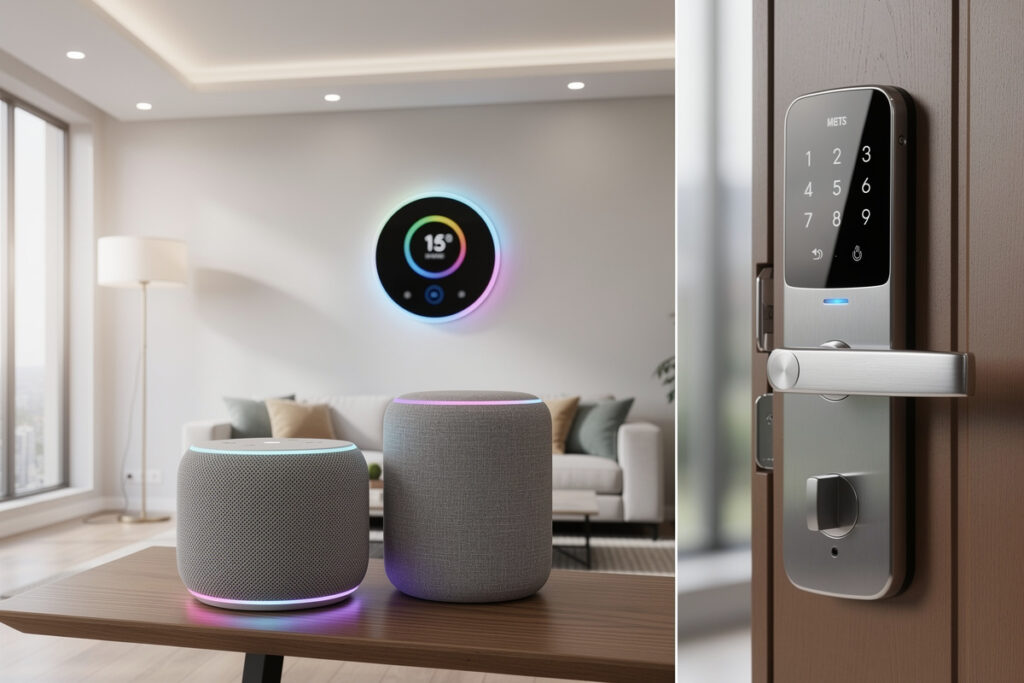
The best smart home devices for 2026 vary by category, but a solid starter setup costs $150-400 and covers voice control, lighting, and security. This guide ranks the top devices in each category based on reliability, ease of use, and real-world value. Whether you want the absolute best or the best budget option, you will find specific recommendations here.
I have tested, researched, and compared the most popular smart home devices to bring you clear recommendations in every category. Whether you want the absolute best, the best value, or the best for a specific ecosystem, you will find your answer here.
For help understanding what categories you need, check the equipment guide first. This article assumes you know what you want and need help picking the right product.
Note: Prices listed are approximate and subject to change. Always check current pricing before purchasing. Some devices may require ongoing subscription fees for full functionality.
How We Evaluate Devices
Every recommendation is based on five criteria:
- Reliability: Does it work consistently without dropouts or glitches?
- Ease of use: Can anyone in your household operate it?
- Ecosystem compatibility: Does it work with Alexa, Google, HomeKit, or Matter?
- Value: Is the price justified by features and quality?
- Longevity: Will the company support it with updates for years?
Flashy features mean nothing if a device is frustrating to use daily. These picks prioritize real-world performance over spec sheets.

Disclosure: HomeAutoCentral is reader-supported. As an Amazon Associate I earn from qualifying purchases, at no extra cost to you. I only recommend gear worth your money.
Best Smart Speakers
Your smart speaker is command central. It needs to hear you clearly, respond quickly, and sound good enough for daily use.
Best Overall: Amazon Echo (4th Gen)
The standard Echo hits the sweet spot of sound quality, smart home control, and price. Its spherical design houses surprisingly good speakers, and Alexa compatibility means it works with virtually everything. Zigbee hub built in lets you connect some devices directly without additional hardware.
Best Budget: Amazon Echo Dot (5th Gen)
The Echo Dot delivers full Alexa functionality in a compact, affordable package. Sound quality is adequate for voice responses and casual music. Perfect for bedrooms, offices, and adding voice control to additional rooms without breaking the budget.
Best for Google Users: Google Nest Audio
If your household lives in Google services, Nest Audio is the speaker to get. Google Assistant handles complex queries better than Alexa, and the sound quality rivals speakers costing twice as much. Media controls and Chromecast integration work flawlessly.
Best for Apple Users: Apple HomePod Mini
The HomePod Mini packs impressive sound into a tiny package and serves as a HomeKit hub. Siri is less capable for smart home control than competitors, but the Apple ecosystem integration and privacy focus make it the clear choice for iPhone households.
Best Smart Displays
Smart displays add visual feedback, video calling, and touchscreen control. They excel in kitchens and common areas where glanceable information is valuable.
Best Overall: Amazon Echo Show 8 (3rd Gen)
The 8-inch screen is large enough to be useful without dominating your counter. Video calls look good, the display shows helpful information at a glance, and it doubles as a capable smart home control panel. The adaptive color feature adjusts the screen to match ambient lighting.
Best for Google Users: Google Nest Hub (2nd Gen)
The 7-inch Nest Hub offers the best Google Assistant display experience. No camera means better bedroom privacy, and the sleep tracking feature using radar technology is genuinely useful. Google Photos integration makes it a great digital photo frame.
Best Smart Lighting
Lighting offers the most immediate smart home impact. Choose based on whether you want easy bulb swaps, permanent switch upgrades including dimmer switch installation, or simple plug control.
Best Smart Bulbs: Philips Hue
Hue remains the gold standard for smart bulbs. The color accuracy is excellent, the app is polished, and the ecosystem includes bulbs for every fixture type. The Hue Bridge enables local control and faster response times. Expensive but reliable and full-featured.
Best Budget Bulbs: Wyze Bulb Color
Wyze delivers 80% of the Hue experience at 30% of the price. Color quality is good, the app works well, and they connect directly to Wi-Fi without a hub. Some reliability reports are mixed, but the value is undeniable for budget-conscious buyers and apartment renters.

Best Smart Thermostats
A smart thermostat pays for itself through energy savings. Choose based on your HVAC system, desired features, and ecosystem preference.
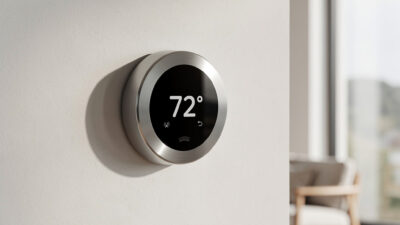
Best Overall: Ecobee Smart Thermostat Premium
Ecobee includes a remote room sensor in the box, solving the common problem of uneven temperatures. The built-in Alexa speaker adds voice control without extra hardware. Air quality monitoring, smart home integrations, and an excellent app round out the package.
Best Learning: Google Nest Learning Thermostat
The Nest pioneered learning thermostats and still does it best. It observes your patterns and adjusts automatically, reducing the need for manual programming. The interface is intuitive, energy reports are helpful, and it looks elegant on the wall.
Best Smart Plugs
Smart plugs turn any device into a smart device. Look for compact designs that do not block adjacent outlets and energy monitoring if you want to track usage.
Best Overall: TP-Link Kasa Smart Plug Mini (EP10)
Kasa plugs are reliable, compact, and affordable. The app is well-designed, setup is simple, but if you hit issues see the WiFi troubleshooting guide, and they work consistently month after month. No hub required. The compact design fits two side-by-side on a standard outlet.
Best Security Cameras
Cameras range from simple indoor monitors to comprehensive outdoor security systems. Match features to your actual needs.
Best Indoor: Wyze Cam v3 Pro
Wyze delivers exceptional value for indoor monitoring. 2K video, color night vision, and two-way audio cover the essentials. Works indoors or in covered outdoor locations. Optional cloud storage or local microSD recording.
Best Outdoor: Arlo Pro 5S
Arlo Pro 5S is completely wireless with excellent video quality and smart detection features. The magnetic mount makes positioning easy, color night vision works well, and the battery lasts months. Premium price but premium performance.

Building Your Shopping List
With these recommendations, here is a suggested starter package by budget:
Budget Start ($150)
- Echo Dot ($50)
- Wyze Bulb Color 4-pack ($40)
- Kasa Smart Plug 2-pack ($25)
- Govee Water Sensor 2-pack ($35)
Balanced Start ($400)
- Echo Show 8 ($150)
- Philips Hue Starter Kit ($200)
- Kasa Smart Plugs 4-pack ($40)
- Amazon Smart Thermostat ($80)
Start with what solves your biggest daily friction, then expand based on what you actually use. Check the quick start guide for a simple weekend project, or read the complete beginner guide for the full smart home journey.
What I Actually Bought First (And in What Order)
If I were starting over today with a $200 budget, the order would be: Echo Dot ($50), two smart plugs ($30), three Zigbee bulbs ($45), and a Zigbee contact sensor ($15). That is five devices for $140, leaving room for tax and a cheap Zigbee coordinator if I want to skip the Echo’s built-in hub. The automations that earn their keep in the first month are the bedtime shutdown and the coffee-maker schedule — everything else is expansion.
The mistake I see most often is buying a smart lock or a smart thermostat first. Both are high-value devices, but neither teaches you the automation mindset the way a $15 smart plug does. A smart plug on a lamp is the fastest path to understanding “schedule + device = automation” — once that clicks, every subsequent purchase is intentional rather than aspirational. Start there, add sensors second, and graduate to locks and thermostats once the hub and the automations are stable.