Best Smart Blinds 2026: Motorized Shades Compared
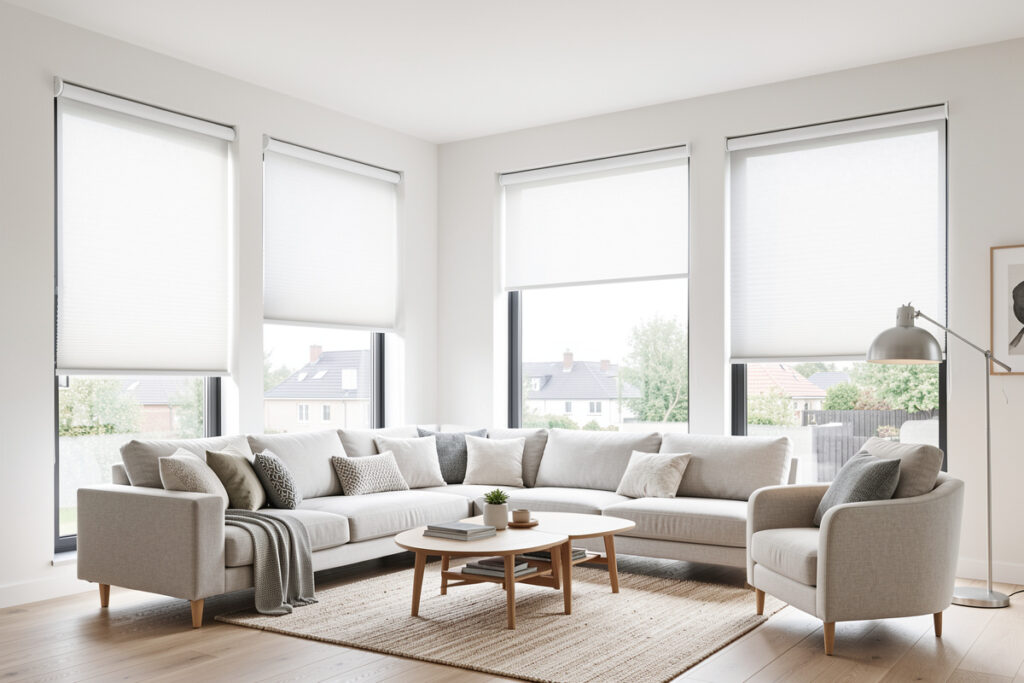
The best smart blinds in 2026 are the ones that answer to your hub instead of a manufacturer’s cloud — and that single filter eliminates most of what gets advertised. After years of running motorized shades on Zigbee, Thread, and a couple of local-API holdouts, my shortlist comes down to which radio they speak and whether the automations survive an outage. Expect to spend roughly $40-80 to motorize a roller you already own and $150-250 per window for a new motorized cellular shade. Below is how I rank them by use case, not by marketing.
As an Amazon Associate I earn from qualifying purchases.
This is a buyer’s guide, not a lab teardown — I am pointing you at the categories and product lines that behave well in a local-first setup, and telling you which I would actually wire into a core automation. For the full system context, start at the smart blinds guide; this article is the “what do I buy” companion to it.
How I rank smart blinds in 2026
My ranking is driven by one question before any other: can the hub control it locally? A shade that needs a cloud round-trip to close is disqualified from any automation I rely on, regardless of how nice the fabric is. After that gate, I weigh protocol fit (does it speak the radio I already run), motor power versus shade weight, battery life or wiring, and how cleanly it exposes position — and tilt, for blinds — as an entity. Price is the last tiebreaker, not the first.
The practical upshot is that the “best” shade is partly a function of your hub. If you run Zigbee, a Zigbee shade slots straight onto your mesh. If you are standardizing on Matter, a Thread shade is the future-proof pick. The protocol comparison is worth reading first if you have not committed to a radio yet.
Best by protocol and use case
Rather than crown one winner, here is the pick I would make for each common situation, with the local-control-friendly product lines that fit. I have run shades on most of these radios; where I am describing a category rather than a specific bench test, I say so.
| Use case | Protocol to target | Product type that fits | Why it wins |
|---|---|---|---|
| Convert existing roller shades | Zigbee or Matter | Retrofit tubular / shade-driver motor | Cheapest path to local control; reuses your fabric |
| New shades, Matter household | Matter-over-Thread | Thread motorized roller or cellular shade | Local by design, future-proof, cross-ecosystem |
| Existing Zigbee mesh | Zigbee | Zigbee tubular motor or driver | Joins the mesh you already run; no new hub |
| Venetian blinds with tilt | Zigbee / BLE | Tilt-driver clip-on motor | Exposes slat tilt as its own entity |
| No hub, want local API | Local Wi-Fi / BLE bridge | Local-API shade with a bridge | Works without cloud via a documented local API |
For most readers of this site the answer is one of the first three rows. If you are converting shades you already own, a retrofit roller shade motor is the highest value per dollar — and the full build is in my DIY conversion guide.
Best for converting existing roller shades
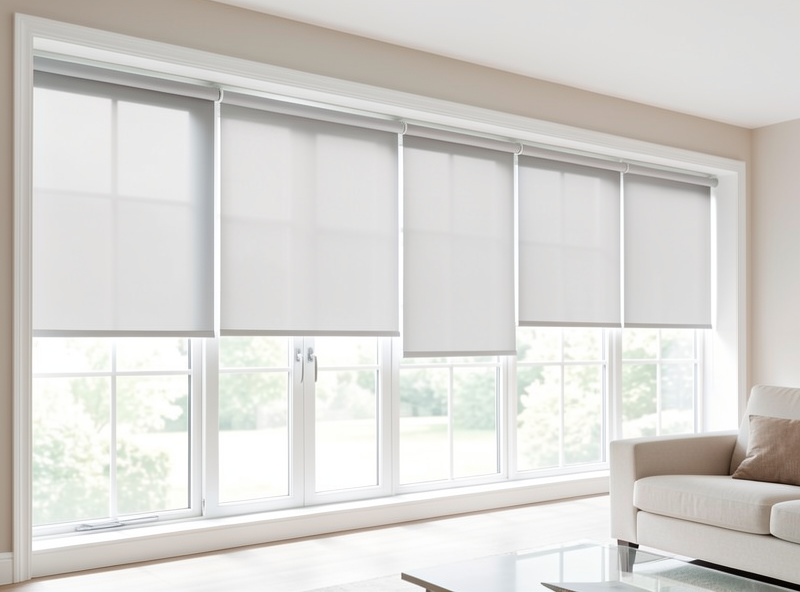
If you already have roller shades you like, do not replace them — motorize them. A shade-driver or tubular retrofit motor pairs to your hub over Zigbee (I expose mine through Zigbee2MQTT) or Matter and turns a dumb roller into a smart one without new fabric. In my setup these are the workhorses: cheap, local, and invisible once installed. The catch is shade weight — a wide blackout roller needs a motor rated for the load, or it will stall partway up.
This is the category I steer first-timers to because the risk is low and the payoff is immediate. Pair it with the motorized shades guide to size the motor correctly. A Zigbee shade driver on an existing roller is, dollar for dollar, the most satisfying smart-shade upgrade I have done.
Best for a Matter-first household
If you are building new and want shades that will outlive any single ecosystem, target Matter-over-Thread. A Thread shade joins your Thread mesh through a border router, controls locally, and works across Apple, Google, and Home Assistant without being locked to one app. This is what I recommend to anyone starting fresh in 2026 — it is the cleanest answer to the cloud-lock-in problem, because Matter mandates local control as part of the spec. Read the Matter explainer before you buy so you understand the border-router requirement.
Best for venetian blinds and tilt control
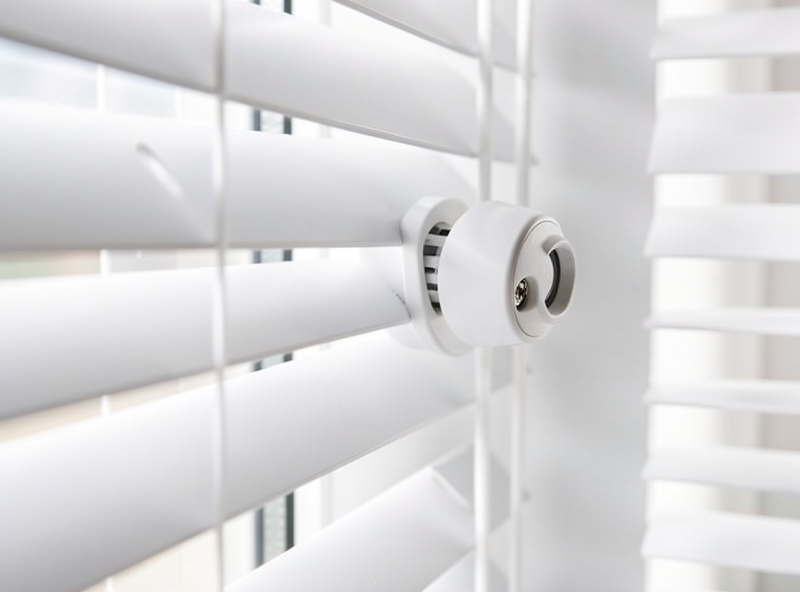
Horizontal venetian blinds are the most under-rated automation because of tilt. A clip-on tilt motor drives the slat rod and exposes tilt as its own entity, which lets me bounce daylight off the ceiling without dropping the shade — a daylight-harvesting trick a roller simply cannot do. These motors are usually battery or solar, clip onto the existing wand mechanism, and are a genuinely good first project. A blind tilt motor is also one of the cheapest ways to dip a toe into motorized coverings.
What I would skip in 2026
I skip cloud-only Wi-Fi shades that have no local API and no hub integration, full stop — they are the category most likely to turn into a manual shade the day the manufacturer changes its app. I am also wary of shades that pair only to a proprietary bridge with no documented local control; you are renting them. And I avoid underpowered bargain motors on heavy blackout or cellular shades, because a drive that stalls is worse than no automation at all. Spend the money on the radio and the motor, not the fabric — the fabric is the cheap part to get right. The reliability-first reasoning is the same one I apply across the whole shade system and the sensor buyer’s guide.
Once they are installed, automate them
A motorized shade you only open from an app is an expensive remote. The value shows up when you tie it to sun position, presence, and lighting — sun-load drops, scheduled privacy, wake light. That is a topic in its own right, and I lay out the actual scenes in the light and shade automation guide. If curtains rather than blinds are your problem, the curtain automation guide and automatic curtain opener roundup cover that track-motor world. And the window-state layer that makes shades react intelligently lives in the window sensors guide.
Frequently Asked Questions
What are the best smart blinds in 2026?
The best smart blinds in 2026 are local-control models on Zigbee, Z-Wave, or Matter-over-Thread that answer to your hub rather than a cloud app. For converting existing shades a retrofit tubular motor wins on value; for new installs a Matter-over-Thread roller or cellular shade is the most future-proof choice.
Are Matter smart blinds better than Zigbee?
Neither is universally better. Matter-over-Thread is the most future-proof and works across ecosystems, while Zigbee is ideal if you already run a Zigbee mesh and want the shade to join it without a new hub. Pick the radio your hub already speaks; both give you local control.
Can I get smart blinds without replacing my existing ones?
Yes. A retrofit tubular or shade-driver motor drops into an existing roller tube, and a clip-on tilt motor drives venetian slats. Both pair to your hub over Zigbee or Matter and cost far less than new motorized shades, while reusing fabric you already own.
Do the best smart blinds need a hub?
For reliable local automation, yes. A hub running Home Assistant lets shades respond instantly and run schedules during an internet outage. Some Matter and Bluetooth shades work standalone, but you lose the cross-device automations with sun, presence, and lighting that justify the cost.
How much should I spend on smart blinds?
Spend on the radio and motor, not the fabric. A retrofit motor for an existing roller is the cheapest entry, while a full motorized cellular shade costs considerably more. Buying fewer, better, local-control shades for the windows that matter beats a houseful of cheap cloud-only ones.