Motorized Window Shades Guide: Motors, Power, and Sizing
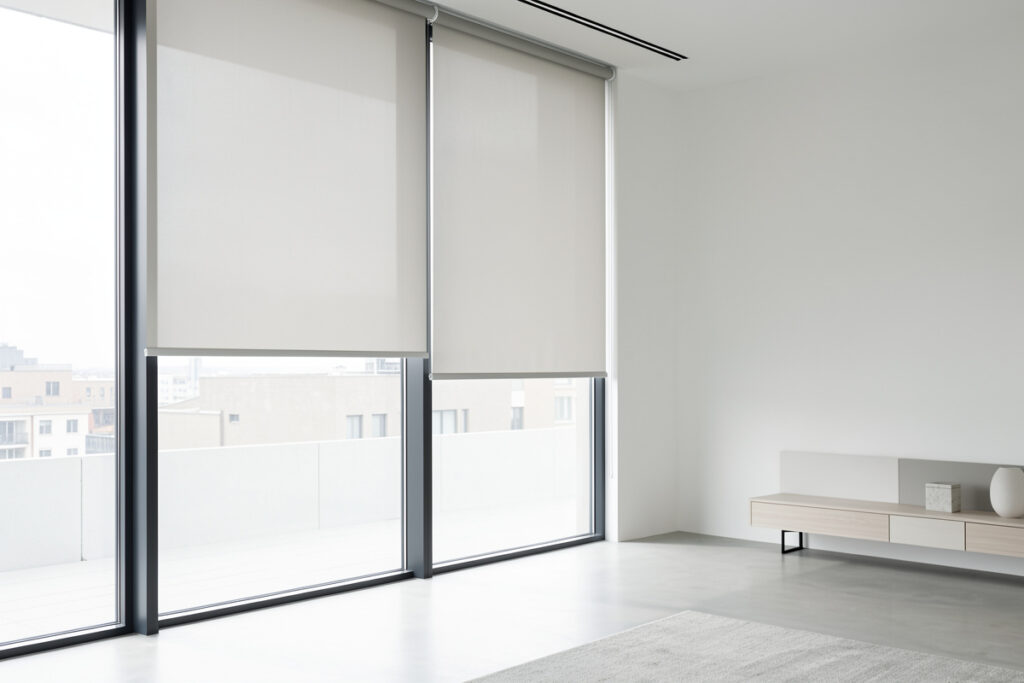
Motorized window shades come down to one decision people skip: the motor. The fabric and the app get all the attention, but whether your shade is quiet, fast, reliable, and still working in five years is decided by the drive type and how you power it. In my setup, every shade lives or dies on that choice — a properly sized tubular motor on the right radio is the difference between a shade you trust and one you fight.
This guide is the hardware companion to the smart blinds guide. Here I am going deep on motor types, battery versus wired versus solar, sizing a drive to shade weight, and the install details that decide whether the thing works. If you are shopping for finished products, the best smart blinds roundup is the companion; this is the “how the motor actually works” piece.
The three motor types, and how they differ
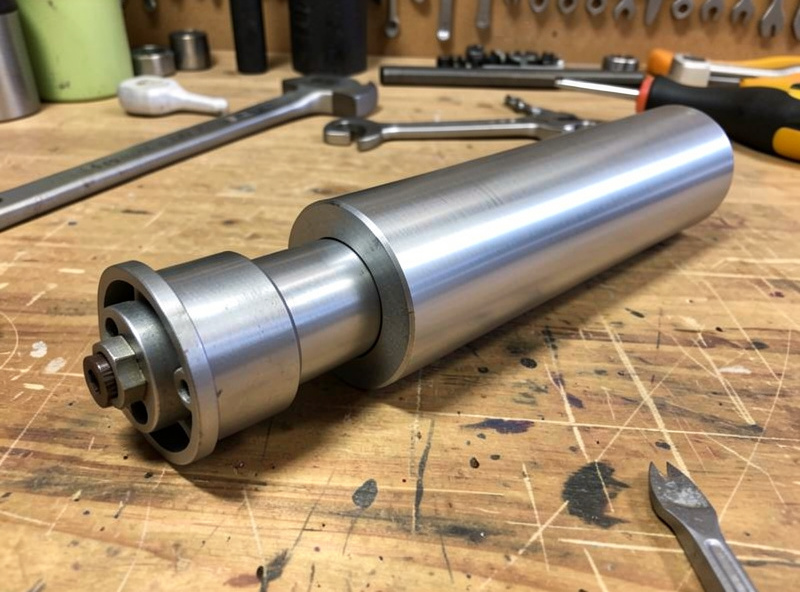
There are really three families of shade motor, and they suit different coverings. A tubular motor sits inside the roller tube of a roller or cellular shade and turns the tube directly — the cleanest, quietest option and the one most retail smart shades use. A retrofit roller motor is a tubular drive you add to an existing roller tube to convert a dumb shade. A clip-on or external motor drives a bead chain or a tilt rod from outside the mechanism — uglier but the only option for some venetian blinds and chain-driven shades.
For most windows I reach for a tubular motor, because it disappears into the tube and there is nothing hanging off the side. The exception is converting blinds I already own, where a retrofit or clip-on motor saves the cost of new shades entirely — the path I lay out in the DIY conversion guide.
| Motor type | Fits | Noise | Best power source | Notes |
|---|---|---|---|---|
| Tubular (inside tube) | Roller, cellular, roman | Quiet | Wired or rechargeable battery | Cleanest install; match torque to weight |
| Retrofit roller | Existing roller shades | Quiet | Battery or solar | Converts dumb shades cheaply |
| Clip-on / bead-chain | Chain-driven & venetian | Audible | Battery or solar | Visible but universal; great for tilt |
Battery, wired, or solar?
Power is the decision that determines how much you will resent the shade later. A rechargeable battery tubular motor is the no-wiring default and lasts roughly six to twelve months per charge on one open and one close a day. That is fine for two or three shades; at eight shades, recharging becomes a chore. My fix is a small solar trickle panel on any sun-facing battery shade — it tops the cell up passively so I never touch it.
Hardwired low-voltage motors on a transformer are the right long-term answer where you can run the cable: no batteries ever, instant response, and the motor vanishes into the wall. The tradeoff is install effort, and on a permanent install I would rather do the wiring once than recharge forever. For windows where neither wiring nor sun reaches, plan on a battery you can remove without dismounting the whole shade — build in that access or you will regret it.
Sizing the motor to the shade
The most common failure I see is an underpowered motor stalling halfway up a heavy shade. Torque has to match the rolled-up weight of the covering, and a wide blackout roller or a tall blackout cellular is far heavier than the spec sheet’s idea of “a shade.” Buy the motor rated for more than your shade weighs, not exactly what it weighs — headroom keeps the drive from straining, running hot, and dying early.
Width matters as much as fabric. A motor that handles a narrow bathroom shade will struggle on a three-metre living-room span because the tube flexes and the load multiplies. When in doubt, size up. The cost difference between a motor that is comfortable and one that is at its limit is small; the cost of replacing a burned-out drive after a year is your whole weekend. I cover the broader buying side in the best smart blinds guide.
Protocol and local control still decide everything
A perfectly sized motor on a cloud-only radio is still a shade you rent. Whatever drive you pick, get it on Zigbee, Z-Wave, or Matter-over-Thread so a local hub like Home Assistant controls it locally and the schedules survive an outage. A motorized shade that needs a server to close fails the one test that matters. I run mine on Zigbee (via Zigbee2MQTT) and Thread so they share the mesh with my sensors and relays — the reasoning is in the protocol comparison and the Matter explainer.
One mesh gotcha specific to far windows: a shade at the edge of the house needs a mains-powered repeater between it and the coordinator, or it drops off the network and you stop trusting it. I keep a smart plug or relay acting as a router on every floor. And if your coordinator stick sits next to a USB-3 drive, move it onto an extension cable — USB-3 noise quietly wrecks 2.4 GHz Zigbee and you will blame the shade.
Install details that decide success
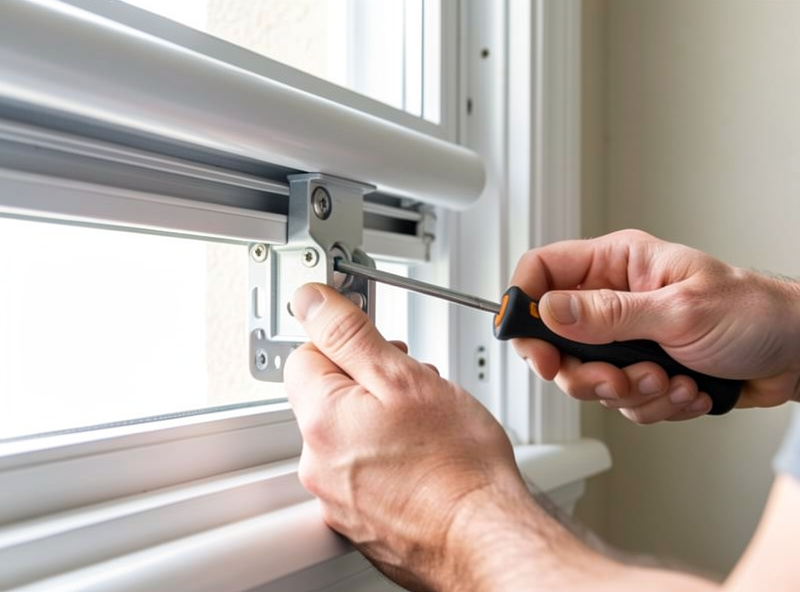
Measure to the millimetre and choose inside-mount versus outside-mount before ordering. Inside-mount is cleaner but leaves light gaps that ruin a blackout shade for a bedroom; outside-mount kills the gaps but needs frame or wall depth for the bracket and motor housing. Leave the battery or charge port accessible. Mount the bracket into something solid — a heavy motorized shade pulling out of drywall anchors is a bad afternoon.
Once it is up and on the hub, the real payoff is automation: sun-load drops, scheduled privacy, wake light. I keep the actual scene recipes in the light and shade automation guide, and the window-state sensing that makes shades react intelligently is in the window sensors guide. For curtains on a track rather than shades on a tube, see the curtain automation guide.
As an Amazon Associate I earn from qualifying purchases.
Frequently Asked Questions
Are battery or wired motorized shades better?
Wired low-voltage motors are better for a permanent install: no batteries, instant response, and the motor hides in the wall. Battery tubular motors win where wiring is impractical, lasting six to twelve months per charge; adding a solar trickle panel on a sun-facing shade keeps it topped up so you never recharge manually.
How do I size a motor for my shade?
Match the motor torque to the rolled-up weight of the covering and buy headroom above it, not exactly at it. Wide blackout rollers and tall cellular shades are far heavier than they look, and an underpowered drive stalls partway up and burns out early. When in doubt, size up.
Are motorized window shades noisy?
Tubular motors inside the tube are quiet enough for a bedroom; clip-on and bead-chain motors are audible because the mechanism is external. For a quiet result, choose a tubular drive sized comfortably above the shade weight, since a strained motor runs louder than one with torque headroom.
Can motorized shades work without an internet connection?
Yes, if the motor uses a local protocol like Zigbee, Z-Wave, or Matter-over-Thread and a local hub. The schedules run on the hub itself, so a sunset or sun-load routine still fires during an internet outage. Cloud-only Wi-Fi shades stop responding when their server is unreachable.
Do far-away shades drop off the network?
They can if there is no mesh repeater between the shade and the coordinator. A mains-powered smart plug or relay acting as a Zigbee or Thread router on each floor keeps edge windows connected. Also move a coordinator stick away from USB-3 ports, which interfere with 2.4 GHz radios.