Smart Home vs Traditional Home: Is the Upgrade Worth It?
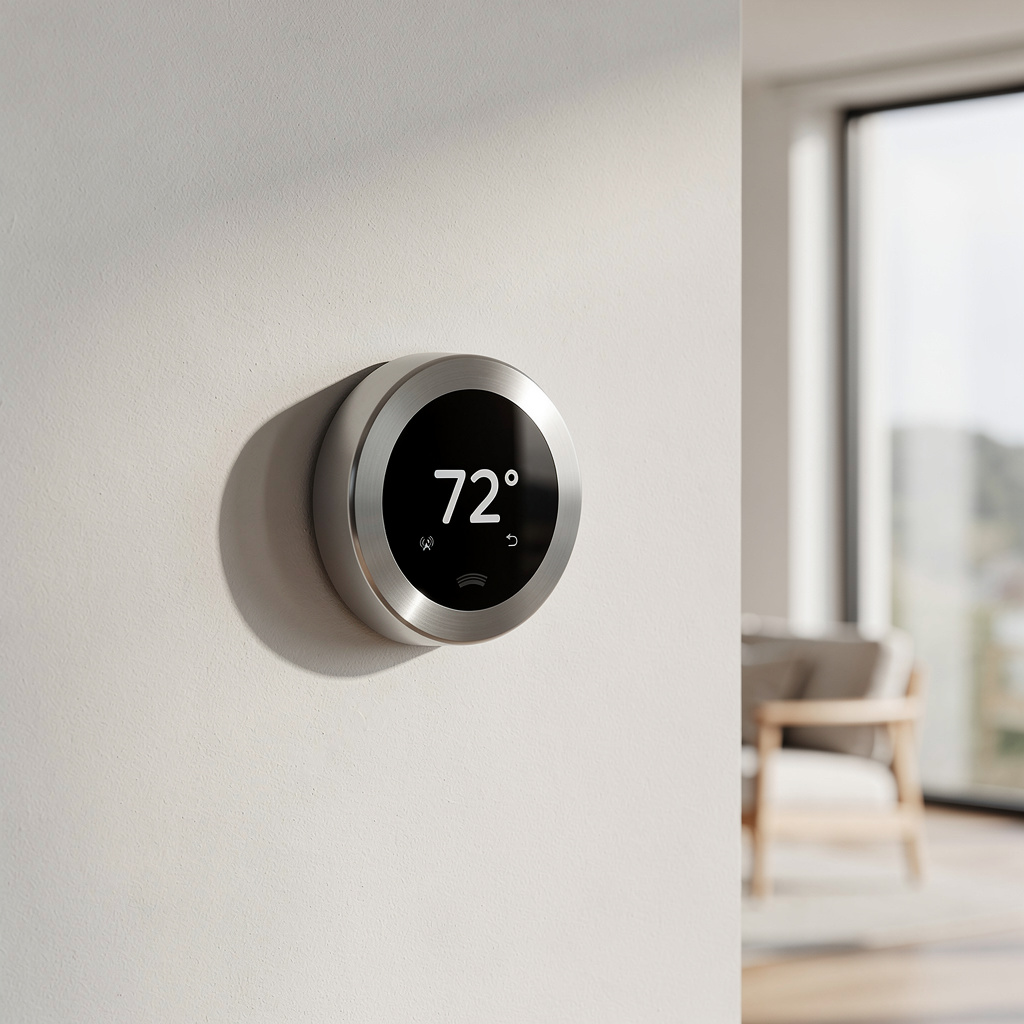
Smart homes save homeowners 10-23% on heating and cooling costs while adding convenience through voice control and automation. But they also mean higher upfront costs, occasional troubleshooting, and trading some privacy for connectivity. This guide compares smart homes against traditional homes across every factor that matters so you can decide if the upgrade fits your lifestyle.
This guide offers an honest comparison between smart homes and traditional homes across every factor that matters. By the end, you will know whether smart home technology fits your lifestyle or whether sticking with conventional systems makes more sense for you.
As an Amazon Associate I earn from qualifying purchases.
Defining the Comparison
A traditional home uses conventional systems: manual light switches, programmable (but not connected) thermostats, standard deadbolts, and no centralized control. Everything works independently, controlled by physical interaction.
A smart home connects devices through a central platform, enabling remote control, voice commands, automation, and devices that respond to each other. The level of automation varies from basic (a few smart bulbs) to comprehensive (whole-home integration).
Most homes today fall somewhere in between. You might have a smart TV and a voice assistant but manual light switches. This comparison helps you decide how far along the spectrum you want to go.
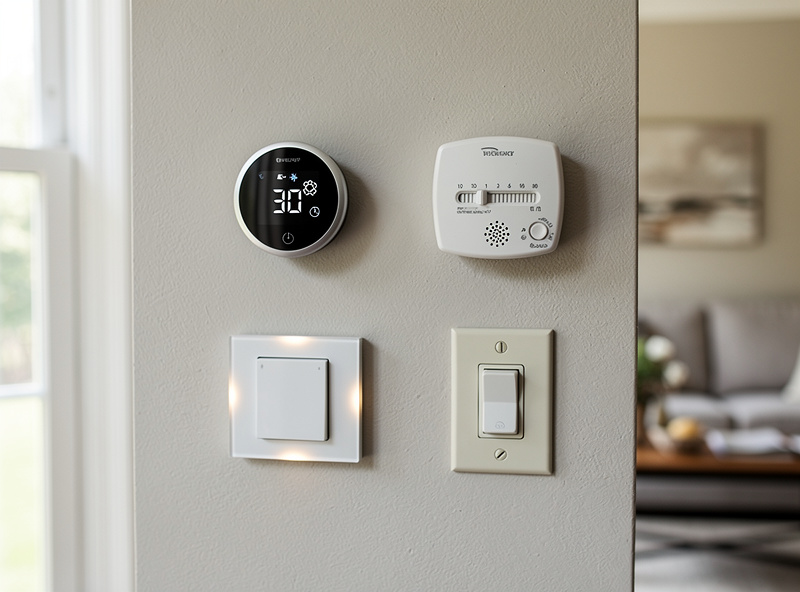
Convenience: Daily Life Impact
Traditional Home
Everything requires physical interaction. You walk to switches to control lights, manually adjust the thermostat, and physically check if doors are locked. Systems work independently – turning off everything before bed means visiting each room.
Advantages: No learning curve, no apps to manage, nothing to troubleshoot when the internet goes down. Simple and predictable.
Smart Home
Voice commands and automations handle routine tasks. A single goodnight command turns off all lights, locks doors, and adjusts the thermostat. Lights turn on automatically when you enter rooms. You check if the garage door is closed from bed – or from another country.
Advantages: Reduces repetitive tasks, accommodates mobility limitations, and handles the did I remember to anxiety.
Verdict
Smart home wins – but the margin depends on your lifestyle. Someone working from home who walks past light switches anyway gains less than a busy family running between activities. The convenience compounds as you add more devices and automations.
Energy Efficiency and Costs
Traditional Home
Energy efficiency depends entirely on your habits. Programmable thermostats help if you set them correctly. Turning off lights depends on remembering to do so. You have no visibility into which devices consume the most power.
Reality: Most people set programmable thermostats once and never optimize them. Lights stay on in empty rooms. Energy waste happens through inattention.
Smart Home
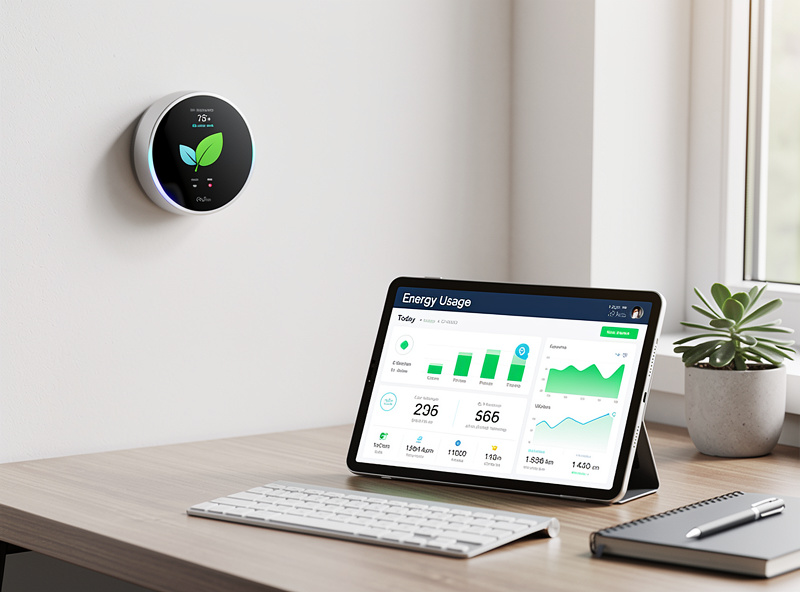
Smart thermostats learn your patterns and adjust automatically. Geofencing detects when everyone leaves and reduces heating or cooling. Motion sensors turn off lights in unoccupied rooms. Smart plugs reveal energy vampires, and automations ensure nothing runs unnecessarily.
Documented savings:
- Smart thermostats: 10-23% reduction in heating and cooling costs (Energy Star data)
- Smart lighting: 5-10% reduction by eliminating waste
- Smart plugs: Variable, but identifying energy vampires often saves $50-100 annually
Verdict
Smart home wins – with a caveat. The energy savings are real and documented, but they require proper setup. A smart thermostat running default settings saves less than one optimized for your patterns. The devices pay for themselves, but not instantly. Expect 1-3 years to recover the investment through savings.
Security and Safety
Traditional Home
Security relies on physical locks, possibly a traditional alarm system, and vigilance. You cannot check on your home remotely. If you forget to lock up, you find out when you return – or worse.
Strengths: No hackable entry points. Locks work without power or internet. Proven technology with centuries of refinement.
Smart Home
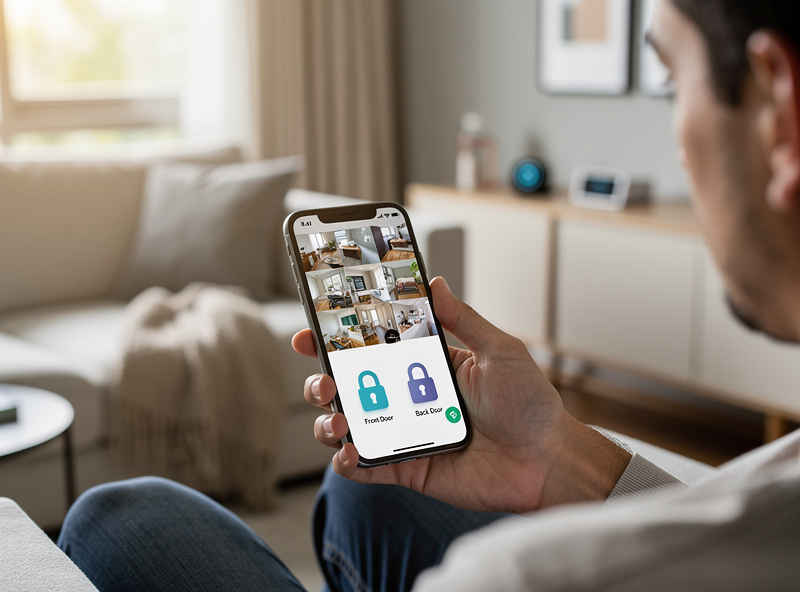
Smart locks enable remote locking and entry logs showing who came and went. Video doorbells show visitors whether you are home or away. Cameras monitor property continuously. Sensors alert you to water leaks, smoke, or unexpected entry. Everything is viewable and controllable from anywhere.
Concerns: Connected devices introduce potential vulnerabilities. A poorly secured smart lock could theoretically be hacked. Internet outages may limit remote access. Battery-powered devices need maintenance.
Verdict
Smart home wins for awareness, traditional wins for simplicity. Smart security provides dramatically better visibility and response capability. However, the additional attack surface concerns some security-conscious users. The practical risk is low with reputable devices and good password hygiene, but it is not zero. For most people, the benefits of knowing what is happening at home outweigh the theoretical risks.
Reliability and Maintenance
Traditional Home
Light switches last decades. Thermostats run for 15-20 years. Locks work until the mechanism wears out. Maintenance is minimal and repairs are straightforward. When something breaks, any handyman or hardware store can help.
Failure mode: When a traditional switch fails, that one light stops working. The failure is isolated and obvious.
Smart Home
Smart devices require firmware updates, battery replacements, and occasional troubleshooting. Cloud services can go down, temporarily disabling some features. Devices may lose compatibility as platforms evolve. A Wi-Fi outage affects all connected devices simultaneously.
Failure mode: When your smart home has issues, troubleshooting involves checking Wi-Fi, hubs, cloud status, device firmware, and app versions. The interconnected nature that provides convenience also creates complex failure scenarios.
Verdict
Traditional home wins for reliability. Smart home technology has matured significantly, and quality devices from established brands are quite reliable. But they will never match the simplicity of a physical switch that either works or does not. If zero maintenance and maximum uptime are your priorities, traditional systems deliver. Most smart home users accept occasional troubleshooting as a reasonable trade for the benefits.
Privacy Considerations
Traditional Home
No data collection. No company knows your schedule, temperature preferences, or who visits your door. Your home activity stays entirely private.
Smart Home
Connected devices collect data. Voice assistants record commands and sometimes more. Cameras upload footage to company servers. Thermostats know your schedule. This data improves functionality but raises privacy questions.
Mitigation options:
- Apple HomeKit processes most data locally with strong encryption
- Local systems like Home Assistant keep everything on your own hardware
- Privacy settings can limit data collection on most platforms
- Choosing devices carefully and reviewing permissions helps
Verdict
Traditional home wins for privacy. There is no way around it – smart devices involve data collection. The question is whether the convenience outweighs your privacy concerns. For many people, it does. For privacy advocates, local-only solutions like Home Assistant or HomeKit offer compromise positions. If data collection is a hard no, traditional systems are the only answer.
Home Value and Resale
Traditional Home
Buyers understand traditional systems. No explanation required, no concerns about inheriting someone elses technology choices. Universal appeal to all buyer types.
Smart Home
Smart home features increasingly appear in real estate listings as selling points. Younger buyers especially expect modern technology. However, overly complex or proprietary systems can deter some buyers who do not want to learn or maintain them.
What adds value:
- Smart thermostats – universally appreciated for energy savings
- Video doorbells – visible security feature with broad appeal
- Smart lighting with standard switches – convenience without complexity
What may not:
- Complex whole-home systems requiring expertise
- Proprietary ecosystems that lock out future changes
- Devices that require subscriptions to function
Verdict
Modest smart home wins, extensive smart home is neutral. Basic smart features add appeal without creating concerns. Extensive systems impress some buyers and worry others. Install smart home technology for your own benefit, not primarily as a home improvement investment.
Upfront Costs vs Long-Term Value
Traditional Home
Lower initial costs. A standard thermostat costs $30 versus $200+ for smart. Regular bulbs cost $2 versus $15+ for smart. Conventional locks cost $50 versus $200+ for smart. The upfront savings are substantial.
Smart Home
Higher initial investment with ongoing returns. A smart thermostat costs $200 but saves $100+ annually. Smart lighting costs more but lasts longer with LED technology and reduces energy waste. Some devices require subscriptions adding $5-20 monthly for cloud storage or premium features.
Verdict
Depends on your timeline. If you are staying in your home for years, smart devices often pay for themselves. If you are renting or planning to move soon, the investment may not recover. Budget-conscious buyers can start with high-impact devices like thermostats and a few plugs and expand gradually.
Who Should Upgrade to a Smart Home
Strong fit:
- Tech-comfortable households who enjoy optimization
- Busy families who benefit from automation
- People with mobility limitations who need voice control
- Homeowners planning to stay 3+ years
- Security-conscious people who want remote monitoring
- Anyone motivated by energy savings and efficiency
May want to wait or skip:
- Renters with restrictions on modifications
- Those uncomfortable with technology or troubleshooting
- Strong privacy advocates unwilling to accept data collection
- People on tight budgets without room for initial investment
- Those planning to move soon
The Hybrid Approach: Best of Both Worlds
You do not have to choose all-or-nothing. The most practical approach for many households is selective smart home adoption:
- Start with proven value: Smart thermostat and a few smart plugs cost under $150 and deliver immediate energy savings
- Add convenience where it matters: Smart lighting in high-traffic areas, voice control in the kitchen
- Upgrade security if desired: Video doorbell and smart lock for the main entry
- Keep what works: Not every light needs to be smart. Not every room needs sensors. Traditional solutions are fine where automation adds no value
This measured approach captures most benefits while limiting cost, complexity, and potential frustration.
The Bottom Line
Smart home technology delivers real benefits in convenience, energy efficiency, and security awareness. The costs are higher upfront, the maintenance is greater, and privacy trade-offs exist. Whether the upgrade is worth it depends on your priorities, technical comfort, and how long you will enjoy the benefits.
For most homeowners, a selective smart home approach makes sense: adopt proven technologies like smart thermostats and video doorbells while skipping gimmicks that add complexity without value. Start small, learn the systems, and expand based on what actually improves your daily life.
Ready to start? The complete beginner guide walks you through the full process, or jump to the quick start guide for a simple weekend project. For help choosing specific products, check the best smart home devices recommendations.
Frequently Asked Questions
How much does it cost to convert a traditional home to smart?
A basic smart home conversion costs $150-400 for a voice assistant, smart bulbs, plugs, and a smart thermostat. Comprehensive setups with cameras, locks, and sensors range from $500-2,000. Most homeowners start small and expand gradually over 6-12 months.
Do smart homes increase property value?
Smart home features can increase property value by 3-5% according to real estate studies. Smart thermostats and video doorbells have the broadest buyer appeal. However, overly complex or proprietary systems may not add value and could concern some buyers.
Are smart homes more secure than traditional homes?
Smart homes provide better security awareness through cameras, door sensors, and remote monitoring. However, they introduce potential cyber vulnerabilities that traditional homes do not have. With strong passwords and reputable brands, the practical risk is very low for most households.
Can smart home devices work during a power outage?
Most smart devices require power and internet to function. Smart locks with physical key backups and battery-powered sensors continue working during outages. However, voice control, remote access, and automations stop until power and internet are restored.
Is a smart home worth it for renters?
Yes, renters can use non-permanent smart devices like smart plugs, bulbs, battery-powered sensors, and portable speakers. These devices cost $50-200 total and travel with you when you move. Avoid hardwired switches or devices requiring landlord approval.
How long do smart home devices last?
Quality smart home devices last 3-7 years with regular firmware updates. Smart bulbs typically last 15,000-25,000 hours (10-15 years of normal use). Smart speakers and displays may need replacement every 4-6 years as software support ends for older models.
Related Articles
- Smart Home for Beginners: Complete 2026 Setup Guide
- DIY Smart Home on a Budget: Build for Under $200
- Smart Home Ecosystems Explained: Alexa vs Google vs Apple
- Best Smart Home Devices 2026: Top Picks
- 7 Smart Home Mistakes That Waste Money