Smart Plant Watering Sensors — Never Overwater Again (2026)
The Smart Solution to Plant Care
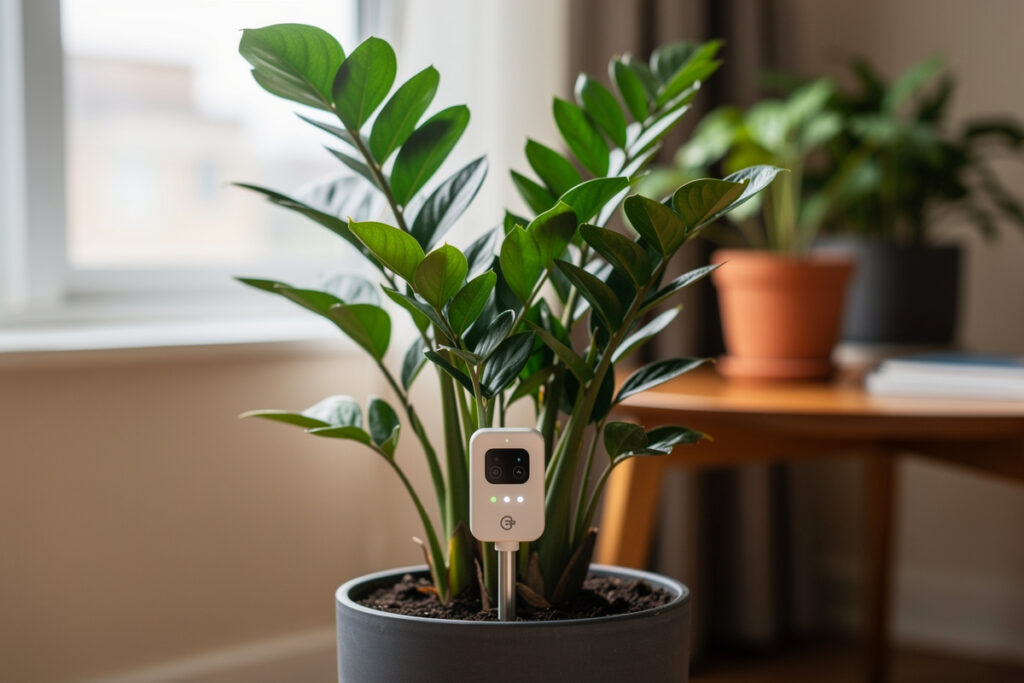
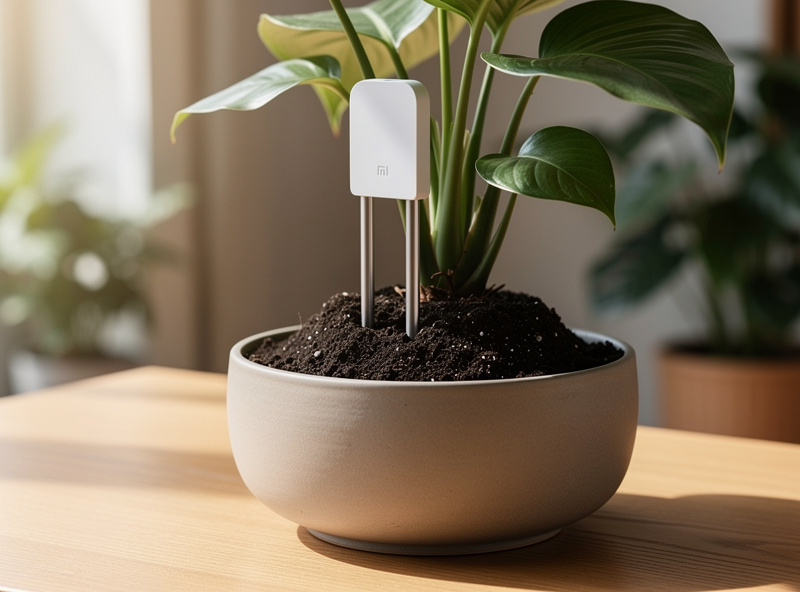
Overwatering kills more houseplants than any other cause — most plant-care surveys put it at the top of the list, well ahead of underwatering, pests, or light problems. Most of that comes down to guessing instead of measuring. Smart plant sensors monitor soil moisture in real-time and deliver precise data that eliminates guesswork. The Xiaomi Mi Flora tracks moisture, light, temperature, and fertility via Bluetooth for under $15 a unit.
I run Mi Flora sensors in my greenhouse seed-starting trays and a VegTrug in the outdoor raised beds. The sensor data feeds into my Home Assistant dashboard alongside the grow-light schedule — when the moisture dips below 30 percent in the seedling trays, an automation notifies my phone and the next watering cycle begins. Before sensors, I lost a full tray of tomato starts to dry-out during a heat wave. The $12 sensor would have caught it hours earlier.
Disclosure: HomeAutoCentral is reader-supported. As an Amazon Associate I earn from qualifying purchases, at no extra cost to you. I only recommend gear worth your money.
In 2026, these intelligent devices have evolved far beyond simple moisture meters. Modern smart plant sensors connect to your home automation system, track environmental conditions including light and temperature, and even trigger automatic watering systems when soil dries below optimal levels. Whether you’re a serial plant killer or an experienced horticulturist, smart sensors provide the data needed for perfect plant care.
How Smart Plant Watering Sensors Work
Smart plant sensors utilize capacitance-based moisture detection technology that measures the dielectric constant of soil. Unlike resistive sensors that corrode over time through direct electrical contact with soil, capacitive sensors measure moisture levels through insulated probes, ensuring years of accurate readings without degradation.
Advanced models incorporate multiple sensors in a single device: soil moisture probes for water content, light sensors for photosynthesis tracking, temperature monitors for root zone conditions, and even fertility sensors that measure soil nutrient levels. This comprehensive data paints a complete picture of your plant’s environment.
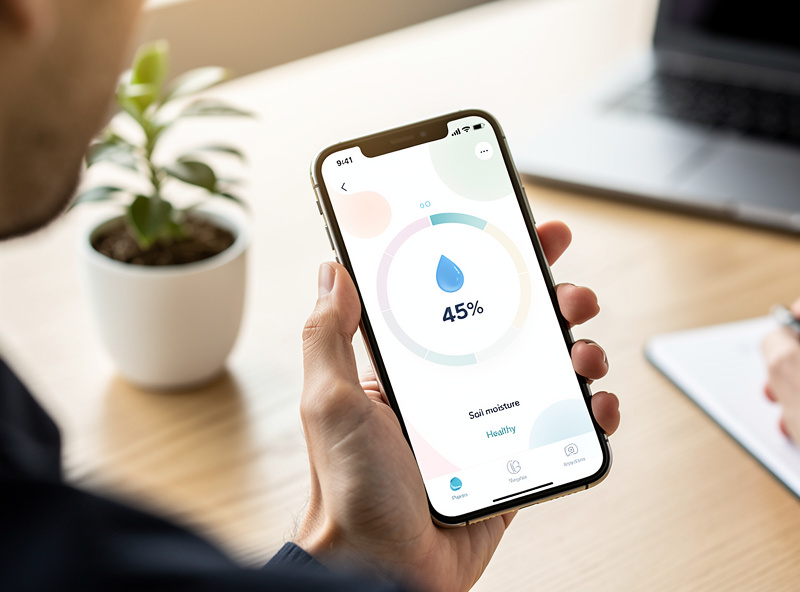
Communication protocols vary by device—some use Bluetooth for direct smartphone connection, others integrate with Zigbee or Wi-Fi for home automation compatibility. Data syncs to companion apps or smart home platforms, where you can view real-time readings, historical trends, and receive watering alerts.
Top Smart Plant Watering Sensors
I have run three brands across indoor plants, a greenhouse, and outdoor raised beds. Here is what held up to actual dirt, water, and seasonal neglect:
Xiaomi Mi Flora Plant Sensor (Best Budget — What I Use)
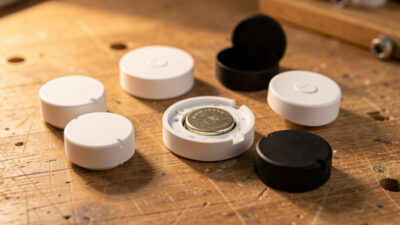
Xiaomi Mi Flora (HHCC Plant Monitor) remains the gold standard for affordable plant monitoring. This Bluetooth-enabled sensor tracks soil moisture, light intensity, temperature, and fertility levels. The free Flower Care app includes a database of over 6,000 plants with customized care recommendations based on your specific species. Battery life extends to approximately 1 year with standard CR2032 cells. I have four of these in my greenhouse trays and they have survived two seasons of direct soil contact without a single failure.
Ecowitt Soil Moisture Sensor
Ecowitt Soil Moisture Sensor offers wireless convenience on a single AA battery, transmitting on a sub-GHz RF band that varies by region — 915MHz in North America, 868MHz in Europe — to compatible weather-station gateways and, from there, into Home Assistant. The outdoor-rated design withstands garden conditions while providing accurate moisture readings from 0-100%. Integration with Home Assistant and other platforms enables sophisticated automations like triggering irrigation systems when soil dries.
VegTrug WiFi Plant Sensor
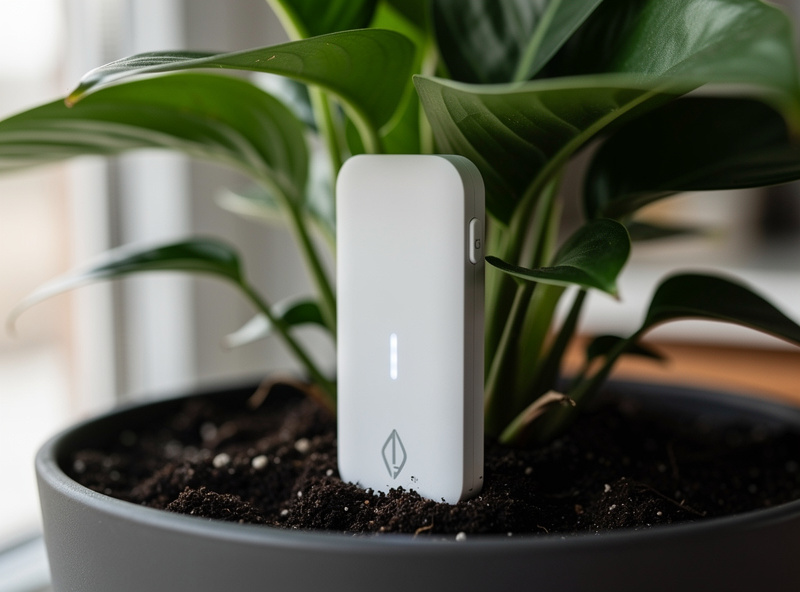
VegTrug WiFi Plant Sensor connects directly to your home network, eliminating the need for bridges or hubs. The sleek design complements modern interiors while monitoring moisture, light, and temperature. Customizable alerts notify you via app notification, email, or SMS when plants need attention.
Smart Plant Sensor Comparison
| Product | Connectivity | Measurements | Battery Life | Price Range |
|---|---|---|---|---|
| Xiaomi Mi Flora | Bluetooth | Moisture, light, temp, fertility | 12 months | $14.99 |
| Ecowitt Soil Sensor | Sub-GHz RF (regional) | Moisture, temperature | 1 AA battery | $17.99 |
| VegTrug WiFi | Wi-Fi | Moisture, light, temperature | 6 months | $29.99 |
Setting Up Your Plant Monitoring System
Installing smart plant sensors requires strategic placement for accurate readings. Insert probes into the root zone, approximately 2-4 inches deep depending on pot size. Avoid placing sensors near pot edges where soil dries faster than the center, and don’t push probes against the bottom where water accumulates.
For multiple plants, consider sensor placement priorities:
- High-Value Plants: Prioritize expensive, rare, or sentimental plants
- Water-Sensitive Species: Focus on plants prone to root rot like succulents and orchids
- Representative Pots: In large collections, monitor one pot of each soil type or plant category
- Problem Areas: Place sensors in locations with inconsistent light or temperature
Calibrate sensors initially by noting soil moisture readings after thorough watering (should show high moisture) and after several days of drying (should show lower readings). This establishes baseline understanding of your specific soil mix and pot drainage characteristics.
Smart Automation for Plant Care
The sensor alone is a dashboard. The automations are what keep your plants alive while you are on vacation. Here is what I run on my Home Assistant hub:
The true power of smart plant sensors emerges when integrated with home automation platforms. See the complete guide to the best smart home sensors of 2026 for a full sensor network comparison. These sophisticated workflows transform plant care from a manual chore into an intelligent system:
Automated Irrigation: Connect soil sensors to smart plugs controlling water pumps or solenoid valves. Set triggers that activate watering when moisture drops below species-specific thresholds—perhaps 20% for succulents or 40% for tropical plants.
Environmental Control: Link sensors to smart humidifiers, fans, or grow lights. When soil remains too wet for extended periods, automatically increase air circulation to prevent root rot. When light readings are insufficient, trigger supplemental grow lights.
Vacation Mode: Create “away” automations that adjust watering schedules based on actual soil conditions rather than timers. Sensors detect if automatic watering occurred successfully and can trigger backup systems or send alerts if problems arise.
Seasonal Adjustments: Program different moisture thresholds for summer (when plants need more frequent watering) versus winter (when dormancy reduces water requirements). Smart sensors adapt your care routine automatically throughout the year.
Understanding Plant Moisture Needs
Soil moisture is measured as volumetric water content (VWC) — the percentage of soil volume that is water. Most houseplants thrive at 20-60 percent VWC depending on species. Land-grant university extension programs that study irrigation — Michigan State University Extension among them — consistently find that watering based on actual soil moisture uses less water than watering on a fixed schedule, simply because you stop irrigating plants that don’t need it yet. Your sensor gives you exactly the number you need to stay in the sweet spot.
Different plant species require varying soil moisture levels, making universal watering schedules ineffective. Smart sensors help you understand these requirements through data:
Drought-Tolerant Plants: Succulents, cacti, and snake plants prefer extended dry periods. Allow soil to reach 10-20% moisture before watering. These plants develop stronger root systems when slightly stressed.
Tropical Plants: Monsteras, philodendrons, and ferns prefer consistently moist soil at 40-60% moisture levels. Never let tropical plants completely dry out, as this damages their sensitive root systems.
Moisture-Variable Plants: Pothos, spider plants, and ZZ plants tolerate wide moisture ranges. These forgiving species are perfect for learning your sensor’s behavior before investing in more delicate varieties.
Flowering Plants: Orchids and African vinces have unique moisture requirements often varying by growth stage. Sensors help track these changing needs and prevent the overwatering that commonly kills flowering houseplants.
Interpreting Sensor Data
Smart plant apps present moisture readings as percentages, but understanding what these numbers mean requires context. A reading of 30% indicates dry conditions requiring water for most plants, while 70% suggests adequately moist soil. However, these interpretations vary by soil composition.
Sandy soils drain quickly and show lower moisture percentages even when plants have sufficient water. Dense potting mixes retain moisture longer, potentially showing higher readings that don’t indicate overwatering. Learn your specific soil’s characteristics by observing plant health alongside sensor data.
Trend analysis provides more value than single readings. A sensor showing gradual decline from 60% to 35% over five days indicates normal drying. Sudden drops suggest drainage problems or root issues requiring investigation. Historical graphs reveal watering patterns and help optimize care schedules.
Integration with Smart Home Ecosystems
Advanced users integrate plant sensors into broader smart home platforms like Home Assistant, Hubitat, or SmartThings. These integrations enable complex automations impossible with standalone apps:
Voice Announcements: Connect sensors to smart speakers for verbal watering reminders: “The fiddle leaf fig needs water” announced during morning routines.
Dashboard Displays: Create home automation dashboards showing all plant moisture levels at a glance, with color-coding for plants needing immediate attention.
Weather Correlation: Combine soil moisture data with weather forecasts. Skip scheduled watering if rain is predicted within 24 hours, or increase monitoring during heat waves when soil dries faster.
Family Coordination: Share plant care responsibilities through smart home platforms. Track who watered which plants and when, preventing both neglect and overwatering from duplicate care.
Troubleshooting Common Issues
Smart plant sensors occasionally present challenges requiring troubleshooting:
Inconsistent Readings: If sensors show erratic moisture levels, check probe positioning. Air gaps around probes cause false dry readings, while contact with pot drainage layers skews results high.
Battery Drain: Cold temperatures accelerate battery depletion. Consider rechargeable sensors for outdoor applications or plan more frequent battery changes during winter months.
Connectivity Drops: Bluetooth sensors require proximity to your phone for syncing. Position Wi-Fi sensors within range of your router, using extenders if necessary for garden applications.
Salt Buildup: Fertilizer salts accumulate on probe surfaces over time, affecting accuracy. Clean probes monthly with a damp cloth and mild soap to maintain precise readings.
Advanced Features and Future Trends
Emerging plant sensor technologies promise even more sophisticated care capabilities:
AI-Powered Recommendations: Machine learning algorithms analyze your plant’s specific growing conditions and species requirements, providing personalized care advice beyond generic guidelines.
Disease Detection: Advanced sensors monitor soil chemistry changes that precede visible disease symptoms, alerting you to root rot or fungal issues before plants show distress.
Automated Fertilization: Fertility sensors detect nutrient depletion and trigger smart dispensers to release fertilizer at optimal concentrations and timing.
Growth Tracking: Computer vision integration measures plant growth rates, correlating development with environmental conditions to optimize future care.
Cost-Benefit Analysis
Smart plant sensors represent modest investments with significant returns. At $15-30 per sensor, monitoring your entire plant collection costs less than replacing a single mature houseplant killed by overwatering. For serious plant enthusiasts, the data insights alone justify the expense by optimizing growth and preventing losses.
Consider starting with 3-5 sensors for your most valuable or problematic plants. Expand the system as you recognize the benefits. Even basic moisture monitoring prevents the most common plant care mistakes, making sensors valuable for growers at any experience level.
Frequently Asked Questions
Can smart plant sensors prevent overwatering?
Yes, by providing objective moisture data, sensors eliminate the guesswork that leads to overwatering. Set alerts when soil remains too wet for extended periods, and only water when readings actually indicate dry conditions.
Do I need a different sensor for each plant?
Ideally yes, since each pot has unique drainage, soil composition, and microclimate. However, you can monitor representative plants from each category, such as succulents or tropicals, if budget constraints prevent individual sensors for every pot.
Can sensors trigger automatic watering?
Absolutely. When integrated with smart plugs controlling water pumps or connected to automated irrigation systems, sensors can trigger watering the moment soil dries below your specified threshold.
How deep should I insert the sensor probes?
Insert probes 2-4 inches deep into the root zone, avoiding the pot bottom where water accumulates. For large pots, position sensors where most roots are concentrated, typically midway between the center and edge.
Are smart plant sensors waterproof?
Most sensors are water-resistant but not submersible. The electronic housing should remain above soil level while only the probe enters the dirt. Outdoor-rated sensors like the Ecowitt withstand rain and garden conditions better than indoor-only models.
Plants Do Not Need a Green Thumb — They Need a Sensor
The moisture sensor is the cheapest plant insurance you will ever buy. Start with one Mi Flora on your most valuable plant and connect it to your Home Assistant dashboard — seeing the moisture graph trend downward over three days is more actionable than any watering schedule on a sticky note. The same hub that monitors my seedling trays also runs my grow lights and curing-chamber compressor — one rule engine across the whole workshop.
Related Articles
- Smart Humidity Sensor for Basement — Prevent Mold (2026)
- How to Set Up a Smart Home Energy Dashboard (2026)
- Best Smart Sprinkler Controller
- Best Smart Air Quality Monitors
- Best Smart Water Leak Detectors
Stop guessing and start knowing. Smart plant watering sensors provide the data you need to care for your plants perfectly every time. Whether you manage three houseplants or thirty, these intelligent devices transform plant care from uncertain art into precise science.