Best Smart Air Quality Monitors for Home (2026)
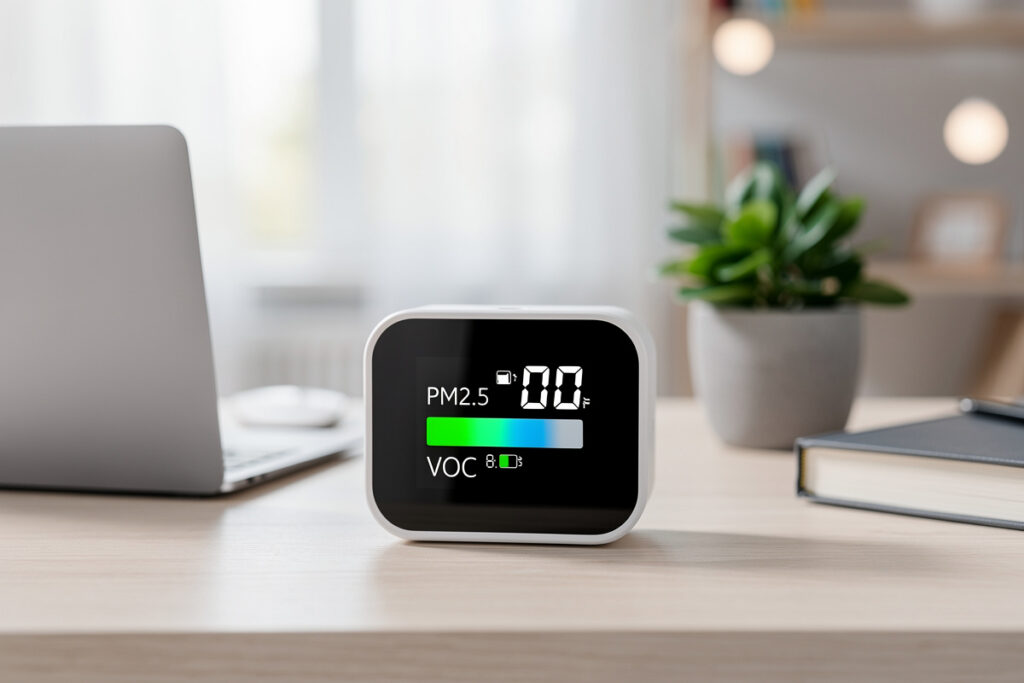
Indoor air is often 2-5 times more polluted than outdoor air according to the EPA, and cooking alone can spike PM2.5 above 200 µg/m³ — more than ten times the WHO’s 2021 24-hour guideline of 15 µg/m³. A smart air quality monitor makes those invisible particles visible and can trigger your air purifier automatically.
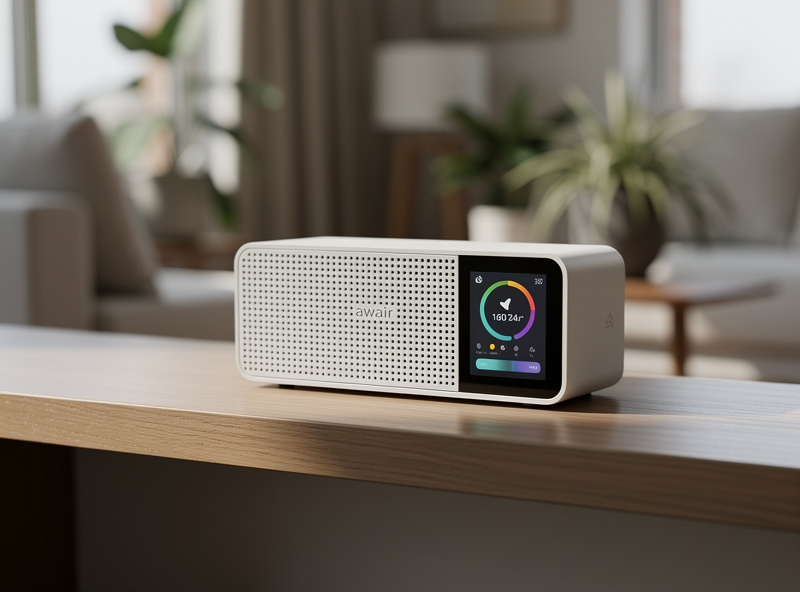
I keep an Awair Element running in my workshop because 3D-printing filament off-gassing and curing-chamber solvents spike VOCs silently in spaces you assume are fine. The first week I ran it, I discovered my laser-engraving ventilation was not clearing fumes as fast as I thought — the VOC reading jumped every single session. That data changed how I ventilate.
Why Indoor Air Quality Matters
We spend 90% of our time indoors, yet indoor air can be 2-5 times more polluted than outdoor air. Poor air quality causes health issues ranging from headaches and fatigue to respiratory problems and long-term disease:
Common Indoor Pollutants:
- PM2.5: Fine particles from cooking, smoking, and outdoor pollution
- VOCs: Gases from cleaning products, furniture, and building materials
- CO2: Carbon dioxide from breathing and combustion
- Humidity: Too high promotes mold; too low causes dry skin and respiratory irritation
- Radon: Radioactive gas from soil (requires specialized detectors)
Health Impacts:
- Allergies and asthma triggers
- Headaches and difficulty concentrating
- Sleep disruption
- Long-term respiratory issues
- Compromised immune function
What Smart Air Quality Monitors Detect
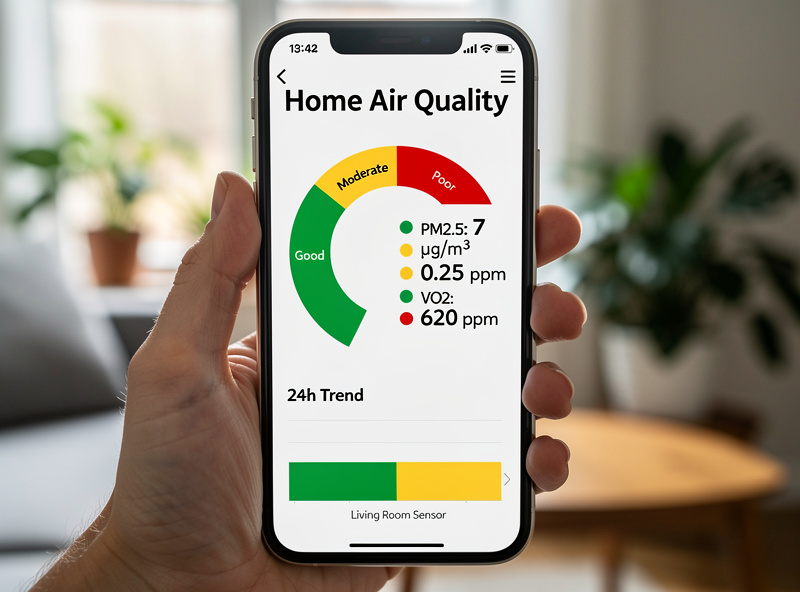
Understanding air quality data helps you take action. Smart thermostats with humidity control work alongside air monitors for complete indoor environment management. I learned the hard way that not all sensors are equal — a cheap PM2.5-only device misses the VOC spike from spray adhesive that an all-in-one unit catches.
Different monitors measure different pollutants. Understanding what each sensor detects helps you choose the right device for your concerns:
PM2.5 Sensors:
Detect fine particulate matter (2.5 micrometers or smaller) from cooking, candles, outdoor pollution, and dust. These particles penetrate deep into lungs and bloodstream.
VOC Sensors:
Measure volatile organic compounds from paints, cleaners, air fresheners, and new furniture. VOCs cause short-term irritation and long-term health concerns.
CO2 Sensors:
Track carbon dioxide levels from human respiration. High CO2 (above 1,000 ppm) causes drowsiness and reduced cognitive function.
Temperature and Humidity:
Basic comfort indicators that affect both air quality perception and actual pollutant behavior.
Disclosure: HomeAutoCentral is reader-supported. As an Amazon Associate I earn from qualifying purchases, at no extra cost to you. I only recommend gear worth your money.
Best Smart Air Quality Monitors 2026
Air Quality Monitor Comparison
| Feature | Awair Element | IQAir Pro | Airthings Plus | Temtop M10 |
|---|---|---|---|---|
| Price | $149 | $269 | $229 | $79 |
| PM2.5 | Yes | Yes | Yes | Yes |
| VOCs | Yes | Yes | Yes | Yes |
| CO2 | Yes | Yes | Yes | No |
| Radon | No | No | Yes | No |
| Display | LED | Touchscreen | App only | LCD |
| Smart Home | Google/Alexa | Limited | Google/Alexa | No |
1. Awair Element — Best Overall
Tracks five factors: temperature, humidity, CO2, VOCs, and PM2.5. Provides an easy-to-understand Awair Score and specific recommendations for improvement.
Key Features:
- 5-factor monitoring (temp, humidity, CO2, VOCs, PM2.5)
- Awair Score (0-100 overall air quality rating)
- LED display with color-coded air quality
- Smart plug integration (triggers air purifiers/fans)
- App with historical trends and insights
- Works with Alexa, Google, IFTTT
Price: $149
Best For: Comprehensive monitoring, smart home integration
2. IQAir AirVisual Pro — Best for Accuracy
Professional-grade accuracy with indoor and outdoor air quality monitoring. Features a crisp display and exceptional data visualization.
Key Features:
- Laser-based PM2.5 detection (professional accuracy)
- CO2, temperature, and humidity monitoring
- Indoor and outdoor air quality comparison
- Forecasting and health recommendations
- 5-inch color touchscreen display
- 6-day historical data and trends
Price: $269
Best For: Asthma/allergy sufferers, accuracy-focused users
3. Airthings Wave Plus — Best for Radon
The only consumer monitor that includes radon detection alongside standard air quality metrics. Radon is the second leading cause of lung cancer.
Key Features:
- Radon detection (long-term average and daily readings)
- CO2, VOCs, temperature, humidity, pressure
- 2-year battery life
- Bluetooth and WiFi connectivity
- App with detailed analytics
- Smart home integration (IFTTT, Hubitat)
Price: $229
Best For: Radon-prone areas, long-term monitoring
4. Temtop M10 — Best Budget Option
Affordable air quality monitoring focused on the essentials: PM2.5, TVOC (total VOCs), and formaldehyde. Simple, effective, and budget-friendly.
Key Features:
- PM2.5, TVOC, and formaldehyde detection
- Compact portable design
- USB rechargeable battery
- No app required (standalone operation)
- Color-coded LED indicators
- Under $100 price point
Price: $79-89
Best For: Budget buyers, basic PM2.5/VOC monitoring
Optimal Placement and Usage
Maximize your air quality monitoring effectiveness:
Best Locations:
- Bedrooms (where you spend 8+ hours sleeping)
- Living rooms (high occupancy areas)
- Home offices (productivity and cognitive function)
- Near kitchens (cooking pollution)
- Nurseries and children’s rooms
Placement Tips:
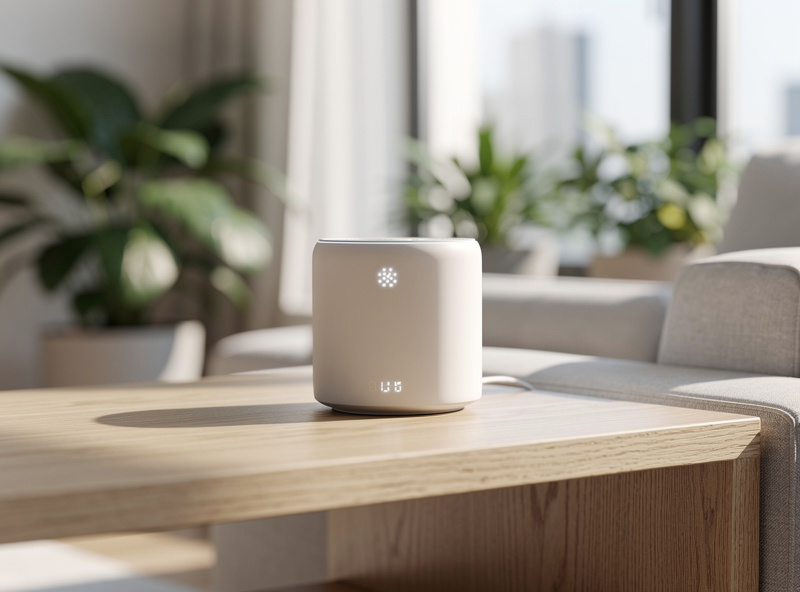
- 3-6 feet high (breathing zone height)
- Away from windows and doors (drafts affect readings)
- Not directly next to air purifiers (skewed readings)
- Central room location for representative air samples
Improving Your Air Quality
Once your monitor identifies problems, take action. ASHRAE Standard 62.2 — the residential ventilation standard — calls for a whole-house mechanical ventilation rate of 7.5 CFM per occupant plus 3 CFM per 100 square feet of floor area; your monitor helps you verify whether your home’s actual air behaves like that benchmark is being met.
For High PM2.5:
- Run HEPA air purifiers
- Use range hood when cooking
- Change HVAC filters regularly
- Remove shoes at the door
For High VOCs:
- Increase ventilation (open windows)
- Switch to low-VOC cleaning products
- Air out new furniture before bringing inside
- Use activated carbon filters
For High CO2:
- Open windows for fresh air
- Increase HVAC fresh air intake
- Add plants (minimal impact but helps)
- Reduce occupancy in small rooms
What I Recommend After 18 Months of Monitoring
After running monitors across three rooms in my house for over a year, here is my honest take:
Best Overall: Awair Element
Comprehensive 5-factor monitoring, smart home integration, and reasonable price make this the best choice for most homes.
Best for Health Issues: IQAir AirVisual Pro
If you have asthma, allergies, or respiratory conditions, the professional-grade accuracy justifies the investment.
Best for Basements/Radon: Airthings Wave Plus
If you have a basement or live in a radon-prone area, this is the only consumer option with radon detection.
Best Budget: Temtop M10
Basic but effective PM2.5 and VOC monitoring for under $100. Perfect for testing the waters.
Smart Home Automation for Air Quality
This is where air quality monitoring stops being a dashboard you check and starts being a system that protects you without thinking about it. The automations below run on my Home Assistant hub 24/7 — I have not touched the air purifier switch in six months. See the complete guide to the best smart home sensors of 2026 for a full sensor network comparison. For choosing between smart plugs and switches, automation triggers include:
Air Purifier Automation:
- PM2.5 rises above 35 μg/m³ → Turn on air purifier (I set mine to run for 30 minutes minimum to clear a cooking spike — short cycling a purifier wears the motor)
- VOCs spike → Activate exhaust fans
- CO2 exceeds 1000 ppm → Open smart windows or increase ventilation
- Humidity above 60% → Run dehumidifier
HVAC Integration:
- Poor air quality → Increase fan speed for circulation
- High CO2 → Trigger fresh air intake
- Night mode → Reduce fan speed for quiet sleeping
Voice Alerts:
- “Alexa, what’s the air quality?”
- “Hey Google, turn on the air purifier”
- Smart speaker announcements when air quality drops
Notification Setup:
Configure alerts for:
- PM2.5 above 55 μg/m³ (unhealthy for sensitive groups)
- VOCs spike (possible chemical release)
- CO2 above 1500 ppm (poor ventilation)
- Humidity extremes (mold risk or dry air)
Air Quality Monitoring Is Only as Good as What You Do With the Data
The monitor is the easy part. The automations — air purifier triggers, exhaust fan rules, fresh-air intake scheduling — are what turn a sensor into a lung-saver. If I were starting fresh today, I would buy the Awair Element and spend the first week just watching the numbers before writing a single automation. You will spot patterns in the data that no reviewer can predict for your specific house and your specific habits. The same Home Assistant hub that runs my air quality automations also pre-heats my sauna and controls my grow lights — one rule engine across the whole workshop.
Related Articles
- Best Smart Water Leak Detectors — Prevent Damage (2026)
- Best Smart Smoke Detectors — Phone Alerts (2026)
- Smart Humidity Sensor for Basement — Prevent Mold (2026)
- Best Smart Temperature Sensors for Each Room (2026)
- Smart Window Sensors — Security and Climate Control (2026)
Frequently Asked Questions
How accurate are consumer air quality monitors?
Consumer PM2.5 sensors are accurate within plus or minus 10-20 percent compared to professional equipment. This accuracy is sufficient for home use and identifying air quality trends. Professional-grade monitors like IQAir achieve plus or minus 5 percent accuracy. VOC sensors are less precise but effective for detecting elevated levels.
Do I need multiple air quality monitors?
One monitor per floor is usually sufficient for most homes. If you have specific concerns like a baby nursery, home office, or basement, add monitors to those rooms. Kitchens produce temporary pollution spikes, so permanent placement there is not recommended.
Can air quality monitors detect mold?
Not directly. However, they measure humidity. Elevated humidity above 60 percent indicates mold risk. Some advanced monitors detect airborne mold spores, but dedicated mold testing is more reliable for suspected mold issues.
How often should I check air quality readings?
Check daily initially to establish your home baseline. After understanding normal patterns, weekly reviews are sufficient unless someone has health issues. Set up alerts for unhealthy levels so you are notified immediately when action is needed.
Do air quality monitors require calibration?
Most consumer monitors do not require user calibration. Factory calibration lasts the device lifetime. Professional-grade monitors may require annual calibration. Check manufacturer specifications for your specific model.
Can air quality monitors help with allergies?
Absolutely. Monitoring PM2.5 and VOCs helps allergy and asthma sufferers identify triggers. High particulate counts indicate when to run air purifiers, while elevated VOCs suggest switching to hypoallergenic cleaning products. Many users report significantly reduced symptoms after implementing air quality monitoring.
Should I buy an air purifier or air quality monitor first?
Buy the monitor first. Without data, you are guessing about air quality problems. The monitor identifies when and where pollution occurs, allowing you to choose the right air purifier size and placement. Many users find their air quality is actually fine, saving the air purifier expense.