Best Smart Water Leak Detectors — Prevent Damage (2026)
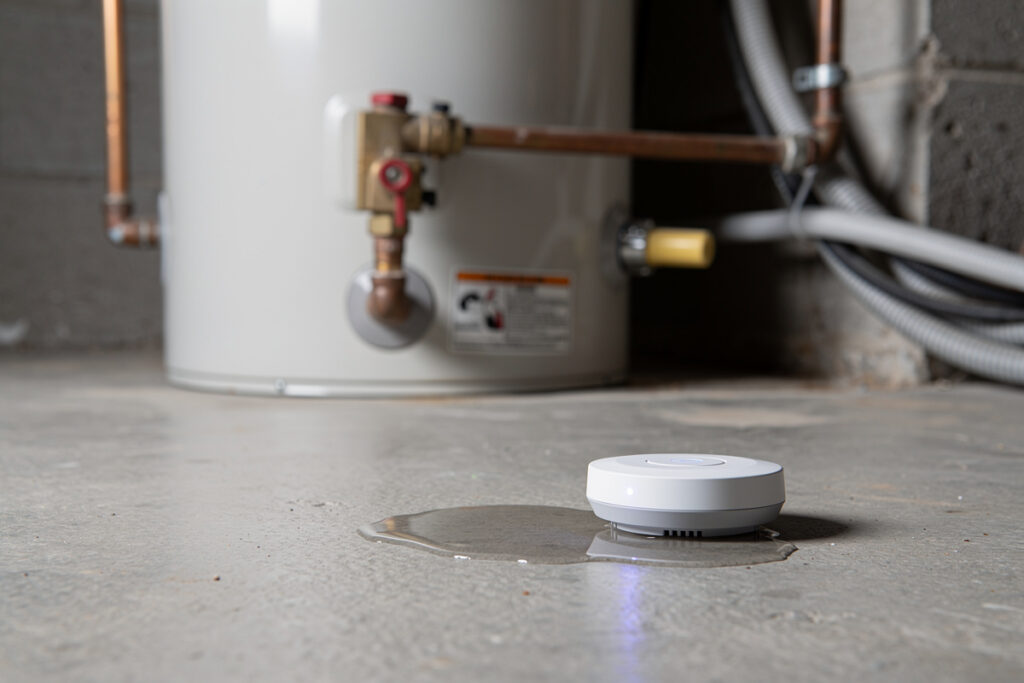
A single burst pipe typically costs homeowners well over $10,000 in water damage, and standard homeowner insurance rarely covers the full claim. I learned this the expensive way — a slow dishwasher supply-line leak behind the cabinet went unnoticed for weeks and cost me $3,400 in flooring and cabinet replacement. The Aqara leak sensors I have under every sink, the washing machine, and the water heater now would have caught it in seconds. Smart water leak detectors range from $12 battery-powered pucks to $500 whole-home shutoff systems — all pay for themselves the first time they prevent a flood.
As an Amazon Associate I earn from qualifying purchases.
The first automation I wired into my Home Assistant setup after the dishwasher incident was a leak-triggered emergency routine: sensor trips, all hallway lights flash at 100% brightness, every Echo in the house announces “water leak detected,” and my phone gets a critical alert that bypasses Do Not Disturb. I test it with a damp finger on each sensor contact once a month. The peace of mind from knowing a leak will not go unnoticed for days is worth every dollar.
Why Water Leak Detectors Are Essential
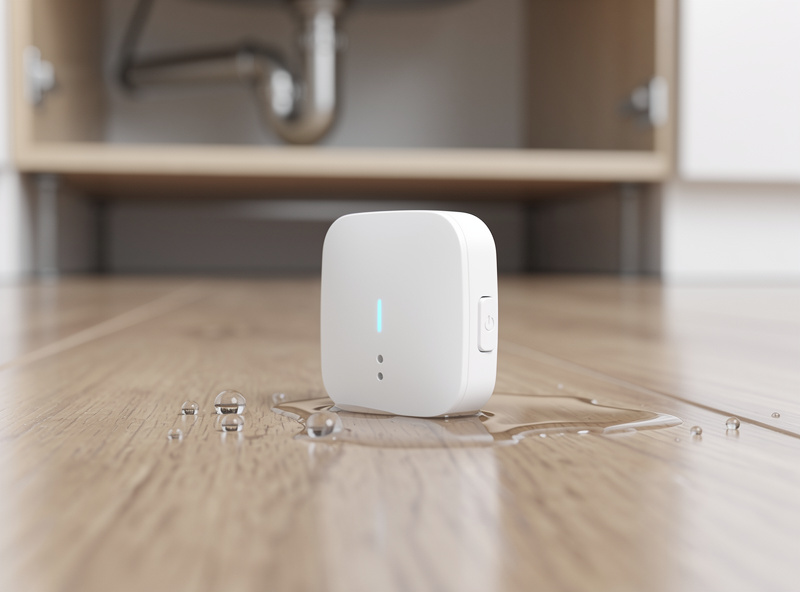
Water damage is the second most common home insurance claim after wind/hail, and far more frequent than fire and theft claims combined:
- Average claim cost: the Insurance Information Institute puts the average water-damage claim in the five-figure range — recent industry data runs roughly $12,000-15,000 per incident
- Prevention savings: catching a supply-line leak in seconds instead of weeks is the difference between a mop-up and a flooring replacement
- Insurance impact: filing a claim typically raises your premium at renewal
- Hidden damage: mold remediation adds thousands more if moisture sits undetected
Water leak detectors pay for themselves by preventing just one minor leak from becoming a major disaster.
How Smart Water Leak Detectors Work
All leak detectors use similar detection mechanisms with varying smart features:
Detection Methods:
- Probe sensors: Metal contacts detect water conductivity
- Float sensors: Trigger when water reaches specific level
- Capacitive sensors: Detect moisture without direct contact
Alert Mechanisms:
- Onboard siren: 85-100dB alarm (audible throughout house)
- Phone notifications: Push alerts via app
- SMS alerts: Text messages to multiple contacts
- Email alerts: Detailed notifications with timestamps
- Smart home triggers: Activate shutoff valves, cameras, lights
Advanced Features (2026):
- Temperature monitoring (freeze alerts)
- Humidity tracking (mold prevention)
- Automatic water shutoff integration
- Integration with smart home hubs
- Voice assistant announcements
Best Smart Water Leak Detectors 2026
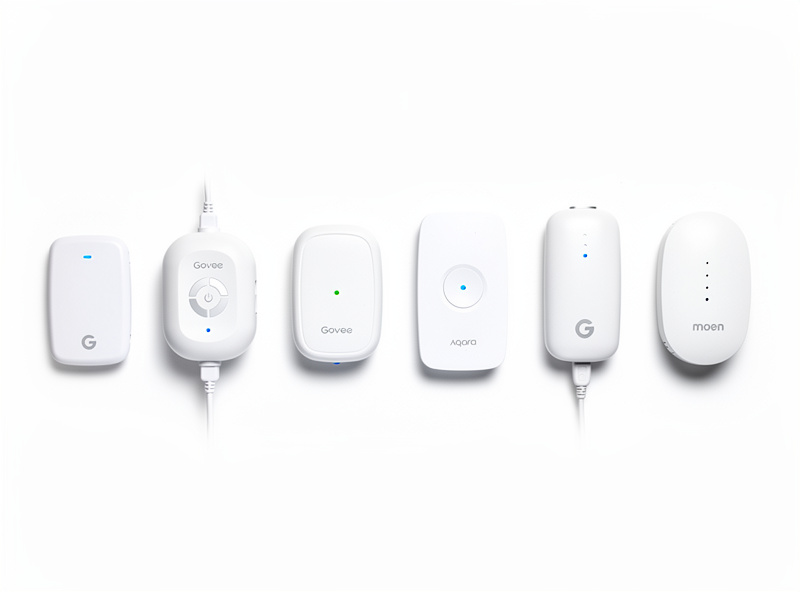
Water Leak Detector Comparison Table
| Feature | Govee | Ring | Aqara | YoLink | Moen |
|---|---|---|---|---|---|
| Price (each) | $12 | $35 | $15 | $25 | $50 |
| Alarm Volume | 100dB | 85dB | 90dB | 95dB | 85dB |
| Battery Life | 2 years | 3 years | 2 years | 5+ years | 2 years |
| Protocol | WiFi | Z-Wave | Zigbee | LoRa | WiFi |
| Temp Monitoring | No | Yes | No | Yes | Yes |
| Hub Required | Yes | Ring Alarm | Yes | Yes | No |
| Smart Home | Alexa/Google | Ring only | HomeKit | Multi | Alexa/Google |
1. Govee Water Leak Detector 2 — Best Overall Value
Govee delivers exceptional value with a 4-pack costing under $50. Each sensor provides loud 100dB alarms, app notifications, and 2-year battery life. The compact design fits in tight spaces other sensors cannot reach.
Key Features:
- 100dB onboard siren (loudest in category)
- 100ft wireless range from hub
- IP66 waterproof rating
- 2-year battery life on 2 AAA batteries
- Govee Home app (iOS/Android)
- Works with Alexa/Google via IFTTT
Price: $40-50 (4-pack)
Best For: Budget-conscious homeowners wanting comprehensive coverage
2. Ring Alarm Flood and Freeze Sensor — Best for Ring Users
Integrates seamlessly with Ring Alarm systems, providing unified security and leak monitoring through the Ring app. Temperature monitoring adds freeze protection for cold climates.
Key Features:
- Requires Ring Alarm Base Station
- Water + temperature monitoring (40°F-100°F range)
- Instant Ring app alerts
- Integrates with Ring security automations
- Professional monitoring includes leak alerts (with plan)
- 3-year battery life
Price: $35 per sensor
Best For: Existing Ring Alarm users, integrated security setups
3. Aqara Water Leak Sensor — Best Smart Home Integration
Zigbee-based sensor with excellent smart home hub compatibility. Works with Home Assistant, SmartThings, Hubitat, and Apple HomeKit (with Aqara hub). Tiny design fits anywhere. I have six of these deployed on my Zigbee mesh — they are the size of a matchbox and the CR2032 batteries last nearly two years even with monthly testing.
Key Features:
- Zigbee 3.0 protocol (mesh networking)
- 2-year battery life (CR2032)
- Apple HomeKit compatible (with hub)
- Works with Home Assistant natively
- Trigger automations (shutoff valves, cameras)
- Submersible design
Price: $15-20 per sensor (requires Zigbee hub)
Best For: Advanced smart home users, HomeKit enthusiasts
4. YoLink Water Leak Sensor — Best Range
Uses LoRa (Long Range) wireless technology providing 1/4 mile range—ideal for large properties, detached garages, or multiple buildings. Requires YoLink hub but connects where WiFi cannot reach.
Key Features:
- LoRa wireless (1/4 mile range)
- 5+ year battery life
- Smart valve controller integration available
- Email/SMS/app notifications
- IFTTT compatible
- Weather-resistant design
Price: $25-30 per sensor + hub ($25)
Best For: Large properties, detached structures, areas with poor WiFi
5. Moen Smart Water Leak Detector — Best Premium Option
Part of Moen’s comprehensive water security ecosystem, including automatic shutoff valves. Professional-grade monitoring with detailed leak reports and consumption tracking.
Key Features:
- Requires Moen Smart Water Network hub
- Integrates with Moen Flo Smart Water Shutoff
- Temperature + humidity + leak detection
- Professional monitoring available
- Detailed water usage analytics
- Insurance discount eligibility
Price: $50 per sensor
Best For: Whole-home water security systems, insurance compliance
Optimal Placement Locations
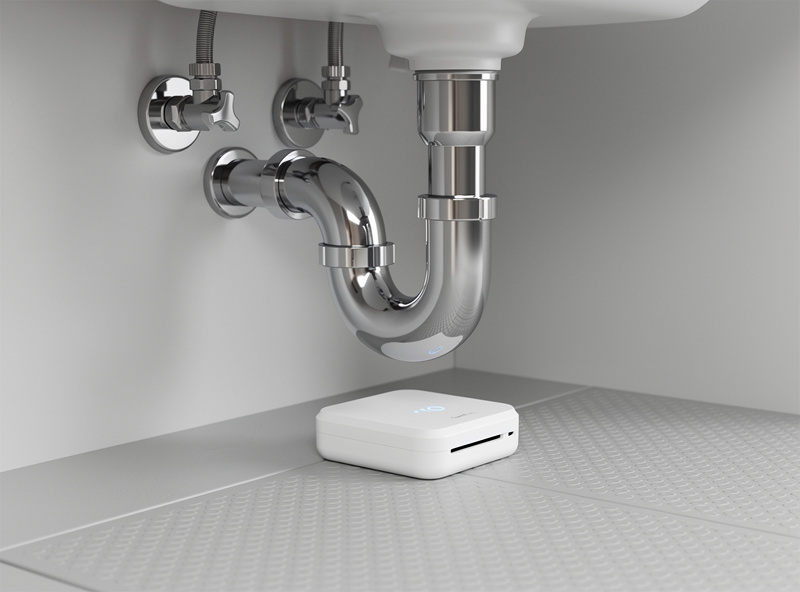
Strategic sensor placement maximizes protection. After my dishwasher leak, I mapped every water source in the house and put a sensor at each one:
High-Risk Locations (Install First):
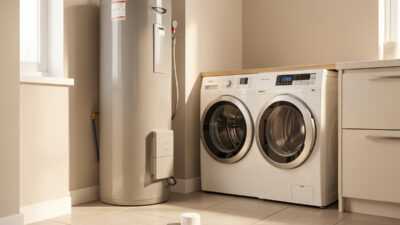
- Under water heaters (tank failures are common)
- Beneath washing machines (hose connections leak)
- Under kitchen sinks (faucet/drain leaks)
- Near dishwashers (supply line failures)
- Bathroom vanity cabinets
- Refrigerator water line connections
Secondary Locations:
- Sump pump pits (pump failure detection)
- HVAC drain pans (condensate overflow)
- Boiler rooms
- Water softener units
- Ice maker supply lines
Installation Tips:
- Place directly on floor where water pools first
- Avoid placing on carpet (reduces sensitivity)
- Keep 6+ inches from walls for WiFi/Zigbee range
- Test detection monthly by wetting sensor contacts
Automatic Shutoff Valve Integration
Advanced water security pairs leak detectors with automatic shutoff valves. I have not installed a whole-home shutoff yet — the sensor network has been sufficient for my single-story house — but for vacation homes or multi-story properties, this is the next logical upgrade.
How It Works:
1. Leak sensor detects water
2. Signal sent to smart valve controller
3. Motorized valve closes main water line
4. Flow stops within 5-30 seconds
5. Phone notification confirms shutoff
Top Shutoff Valve Systems:
- Moen Flo: Most comprehensive ecosystem with automatic shutoff and water usage analytics
- Phyn Plus: AI-powered leak detection with pressure monitoring
- StreamLabs Control: Budget-friendly retrofit that clamps onto existing valves
- Zooz Titan: Z-Wave compatible for Home Assistant and SmartThings
Installation: Requires licensed plumber for main line installation. Retrofit valves install without pipe cutting.
Smart Home Integration
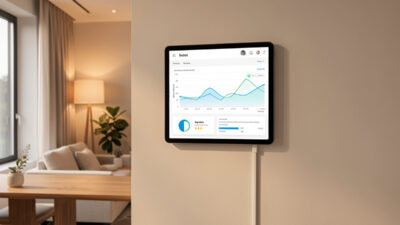
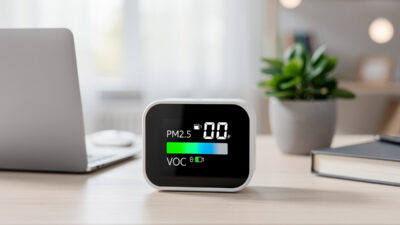
Water leak detectors work best as part of a comprehensive smart home sensor network. See the complete guide to the best smart home sensors of 2026 for a full comparison of water leak, smoke, temperature, air quality, and security sensors. Consider pairing with temperature sensors for freeze protection and humidity monitors for mold prevention.
Connect leak detectors to broader home automation:
Automation Examples:
- Leak detected → Turn on all lights (locate leak quickly)
- Leak detected → Start security camera recording
- Leak detected → Send announcement through smart speakers
- Leak detected → Activate bathroom exhaust fans (reduce humidity)
- Freeze alert → Increase thermostat temperature
Hub Compatibility:
- Aqara: HomeKit, Home Assistant, SmartThings, Hubitat
- Ring: Ring Alarm ecosystem only
- Govee: Alexa, Google via IFTTT
- YoLink: Alexa, Google, IFTTT, Home Assistant
Maintenance and Testing
Keep your leak detection system reliable. I test all six of my Aqara sensors on the first Saturday of every month with a damp fingertip — the HA automation fires within 2 seconds and every Echo in the house announces the alert. If a sensor does not trigger, I know about it before a real leak happens.
Monthly:
- Test each sensor with small water droplet
- Verify app notifications received
- Check battery levels in app
Quarterly:
- Clean sensor contacts (mineral buildup reduces sensitivity)
- Check sensor placement (vibration from appliances may shift position)
- Update firmware if available
Annually:
- Replace batteries (even if showing good charge)
- Review alert history for patterns
- Test integration with shutoff valves
My Recommendation
Best Budget Setup: 4-pack of Govee Water Leak Detectors ($45) covers water heater, washing machine, and both bathrooms. 100dB sirens provide immediate local alerts even if WiFi fails.
Best Integrated Setup: Aqara sensors ($15 each + $30 hub) integrate with Apple HomeKit or Home Assistant for advanced automations. This is what I run on my Zigbee mesh — six sensors scattered across the house, all feeding into a single leak-detected automation in Home Assistant that flashes every light and announces the alert on every speaker.
Best Professional Setup: Moen ecosystem with Flo Smart Water Shutoff ($500) + multiple sensors ($50 each) provides whole-home water security with insurance documentation and professional monitoring options.
Start with 3-4 sensors in high-risk locations. Expand coverage after gaining confidence in the system. Water leak detection is insurance that pays for itself with the first prevented incident — my $3,400 repair bill is the proof I did not want but am grateful to have learned from.
Related Articles
- Best Smart Smoke Detectors — Phone Alerts (2026)
- Best Smart Air Quality Monitors for Home (2026)
- Best Smart Temperature Sensors for Each Room (2026)
- Smart Humidity Sensor for Basement — Prevent Mold (2026)
- Smart Window Sensors — Security and Climate Control (2026)
Frequently Asked Questions
How long do water leak detector batteries last?
Most sensors provide 2-5 years of battery life depending on protocol. WiFi sensors (Govee, Moen) typically last 2 years. Zigbee sensors (Aqara) last 2 years on coin cells. LoRa sensors (YoLink) last 5+ years. Low battery alerts appear in apps weeks before failure.
Can water leak detectors false alarm?
Rarely. Quality sensors require sustained contact with water (2-5 seconds) before triggering, preventing brief splashes from causing false alerts. High humidity alone will not trigger most sensors. Direct water contact is required.
Do I need professional installation for leak detectors?
No. Smart water leak detectors are completely DIY. Simply place sensors on floor near risk areas and pair with app or hub. Only automatic shutoff valves require professional plumber installation due to main water line connection.
Where should I place water leak detectors?
Place sensors near water heaters, under sinks, behind toilets, by washing machines, and near dishwashers. Focus on areas with aging plumbing or visible supply lines. Basements and utility rooms with HVAC equipment also benefit from monitoring.
Can leak detectors automatically shut off water?
Yes, with additional equipment. Smart shutoff valves like the Moen Flo or LeakSmart connect to your main water line and integrate with leak sensors. When water is detected, the system automatically closes the valve, stopping the flow within seconds.
Do water leak detectors work with Alexa and Google?
Most smart leak detectors integrate with voice assistants. You can ask Alexa if there is a water leak or receive announcements through smart speakers when leaks occur. Integration varies by brand. Govee works via IFTTT, Aqara with HomeKit and Siri, and Ring with Alexa.