Can You Use a Smart Plug with a Space Heater? (2026)
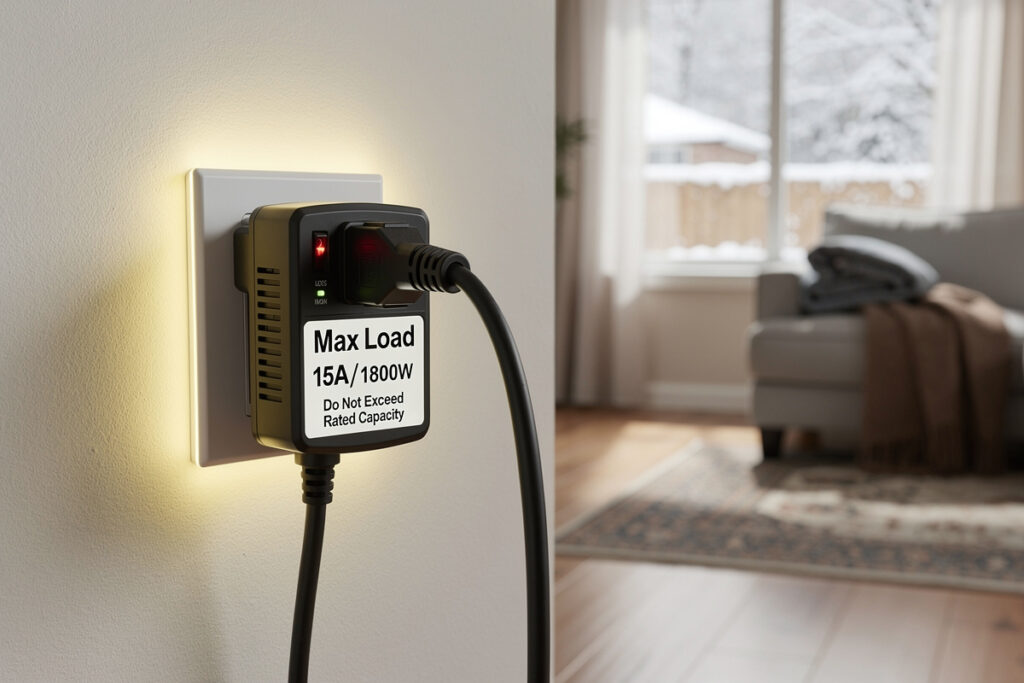
Yes, but only with heavy-duty smart plugs rated for 15+ amps and 1500+ watts. Standard smart plugs cannot handle the high current draw of space heaters and pose fire hazards. You must verify the heater does not exceed the plug’s maximum rating printed on the device.
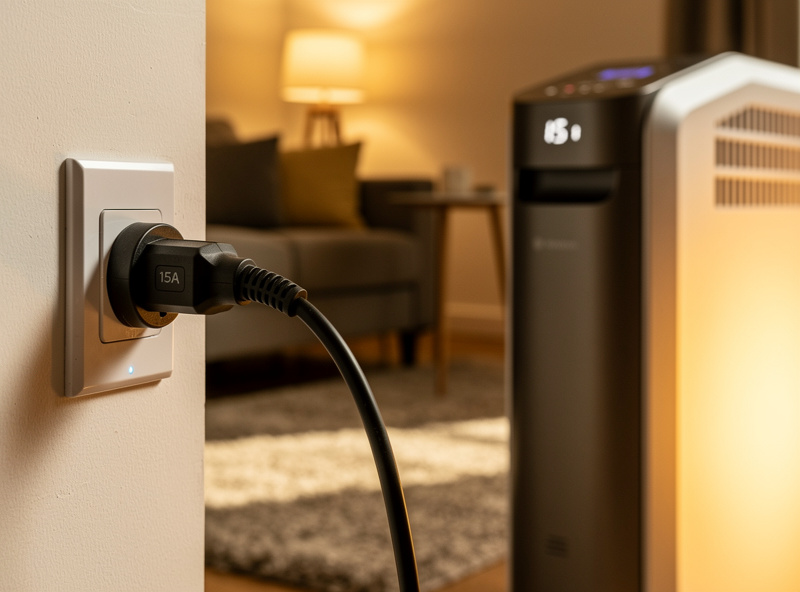
Space heaters draw more power than almost any other household appliance. For a complete overview of smart plug options, see the best smart plugs buyer guide.—typically 1500 watts continuously. Using an undersized smart plug creates overheating, melting, and fire risks. Understanding amp ratings, safety requirements, and best practices keeps your home safe while enjoying smart heating automation.
As an Amazon Associate I earn from qualifying purchases.
Understanding Power Requirements
I learned the hard way that plugging a 1500W oil-filled radiator into a standard 10A smart plug will trip the thermal protection in under 10 minutes — the plug itself gets hot enough to smell before it shuts down. Heavy-duty plugs rated at 15A are not optional for space heaters; undersized plugs are a fire hazard, not an inconvenience.
Before purchasing any smart plug for heater use, verify these specifications:
Space Heater Power Draw
- Standard heater: 1500 watts (12.5 amps at 120V)
- Low setting: 750-900 watts (6.25-7.5 amps)
- Ceramic heaters: Often draw full 1500 watts continuously
- Oil-filled radiators: 600-1500 watts depending on setting
Smart Plug Ratings You Need
Look for these minimum specifications:
- 15 amp rating minimum (1800 watts at 120V)
- UL or ETL listing for high-wattage appliances
- Built-in thermal protection that shuts off if overheating
- Heavy-duty construction with quality internal relays
Standard smart plugs rated for 10 amps (1200 watts) will overheat with most space heaters. The continuous high current generates heat in undersized components, degrading plastic and creating fire risks. Two plugs I trust on a 15A circuit are the TP-Link Kasa EP25 and the Amazon Smart Plug.
Technical Analysis: Electrical Safety and Heat Generation
Understanding Electrical Resistance and Heat
When electricity flows through any conductor, resistance creates heat. This is governed by Joule’s Law: Heat = Current² × Resistance × Time. For smart plugs, several factors affect heat generation:
- Contact resistance: Poor connections between plug and outlet generate localized heat
- Internal relay resistance: Low-quality relays have higher resistance, creating internal heat
- Continuous vs. intermittent use: Space heaters run for hours, compounding heat buildup
- Ambient temperature: Hot summer days or enclosed spaces reduce heat dissipation
Circuit Analysis
Understanding your home’s electrical circuits prevents overloading:
15-Amp Circuit:
- Maximum continuous load: 12 amps (1440 watts) — the National Electrical Code’s 80% continuous-load rule for any load running 3+ hours
- 1500-watt heater = 12.5 amps (exceeds continuous rating)
- Solution: Use only on 20-amp circuits, or ensure no other loads on 15-amp circuit
20-Amp Circuit:
- Maximum continuous load: 16 amps (1920 watts)
- 1500-watt heater = 12.5 amps (within limits)
- Headroom: Can add 300 watts of other devices safely
Smart Plug Internal Components
Quality heavy-duty smart plugs contain:
- High-amperage relay: Rated for 16+ amps continuous duty
- Thick copper traces: PCB tracks sized for high current
- Thermal cutoffs: Safety switches that disconnect if temperature exceeds safe limits
- Heat-resistant housing: Materials rated for higher temperatures (UL94 V-0 flame rating)
- Quality prongs: Thick, properly plated contacts for low resistance
Recommended Smart Plugs for Heaters
Not all smart plugs handle high loads safely:
Acceptable Options
- TP-Link Kasa EP25 (15A): Rated for 1800 watts with built-in thermal protection
- Aeotec Heavy Duty Smart Switch: Z-Wave option rated for 16 amps (1920 watts)
- Zooz ZEN15: Heavy-duty Z-Wave plug specifically designed for appliances
- Industrial-grade smart plugs: Commercial options rated 20+ amps
Never Use These
- Budget smart plugs without amp ratings clearly marked
- Indoor-rated plugs with 10A (1200W) maximums
- Plugs showing wear, discoloration, or loose connections
- Smart plugs in power strips or extension cords (creates additional resistance and heat)
How This Plays Out in Practice
Zone-Heating a Room You Only Use Part-Time
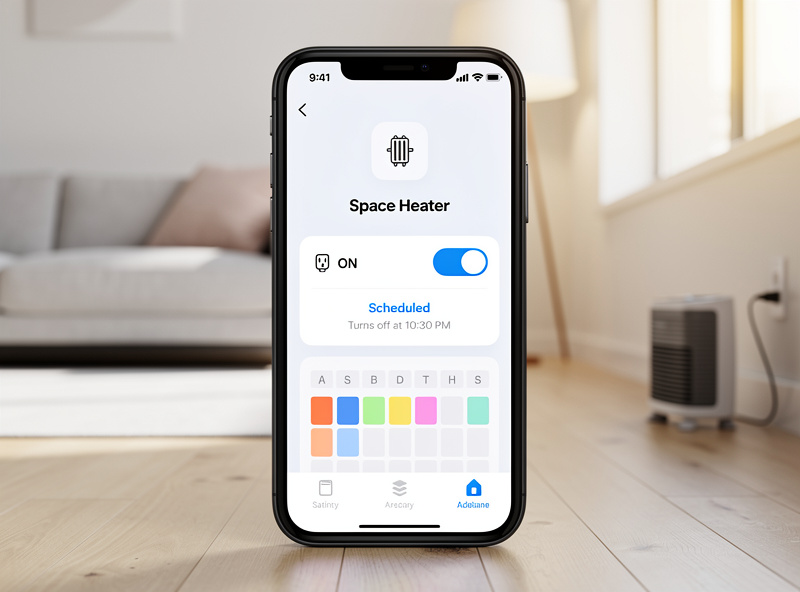
The most common use case is a drafty home office or spare room that only needs heat while it’s occupied: a 15A-rated plug (TP-Link Kasa EP25 or similar) on a 1500W ceramic heater, scheduled to come on shortly before you need the room and off when you leave. This avoids the two worse options — heating the whole house to warm one room, or leaving a space heater running unattended all day. Track the actual runtime with the plug’s energy monitoring for a week or two and you’ll have real numbers for your specific room, rather than a generic estimate; drafty rooms and well-insulated ones behave very differently.
Garage and Workshop Heating
Detached garages and workshops often need a higher-wattage heater (2000W+) than a standard 15A smart plug can safely carry. That calls for a 20A-rated heavy-duty option like the Zooz ZEN15 or an Aeotec heavy-duty switch, on its own dedicated 20A circuit — not shared with tools or lighting. Pre-heating 20-30 minutes before you start working is the practical pattern; running it unattended overnight is not, regardless of the plug’s rating. A periodic temperature check on the plug housing with an infrared thermometer or your hand is a cheap habit that catches a developing problem before it becomes a melted plug.
What Goes Wrong With Undersized Plugs
The failure mode with a 10A plug on a 1500W heater is predictable: the plug runs hot under sustained load, the housing discolors or softens, and in the worst case it fails at the outlet, which can damage the receptacle along with the plug. This is exactly why the amp rating printed on the plug matters more than the price or the brand name — a budget plug rated correctly for the load is safer than a nicer-looking one that isn’t. If you inherit a smart plug with no clearly printed amp rating, treat it as unsuitable for a space heater and use it for something lower-draw instead.
Safety Best Practices
Even with properly rated equipment, follow these guidelines:
Direct Wall Outlet Only
Never plug a space heater into a smart plug that is then plugged into an extension cord, power strip, or surge protector. Each connection adds resistance and heat. Direct wall outlet to smart plug to heater is the only safe configuration.
Check Specifications
Verify three numbers match up:
- Heater wattage/amperage (on label)
- Smart plug maximum rating (on device)
- Circuit breaker rating (usually 15 or 20 amps for the outlet’s circuit)
The heater must be less than the smart plug rating, and both must be less than the circuit breaker. A 1500W heater (12.5A) on a 15A smart plug on a 15A circuit leaves minimal headroom—avoid running other devices on that circuit simultaneously.
Monitor First Use
During the first 30 minutes of operation:
- Check if the smart plug feels warm (warm is normal, hot is not)
- Smell for any burning or plastic odors
- Verify the plug’s indicator lights show normal operation
- Unplug immediately if anything seems unusual
Use Scheduling, Not Continuous Operation
Smart plugs excel at pre-heating rooms before you arrive rather than continuous operation:
- Schedule on: 15 minutes before you need the room warmed
- Schedule off: When you leave or after the room reaches temperature
- Never leave unattended: Always ensure someone is home when space heaters operate
Product Comparison: Heavy-Duty Smart Plugs
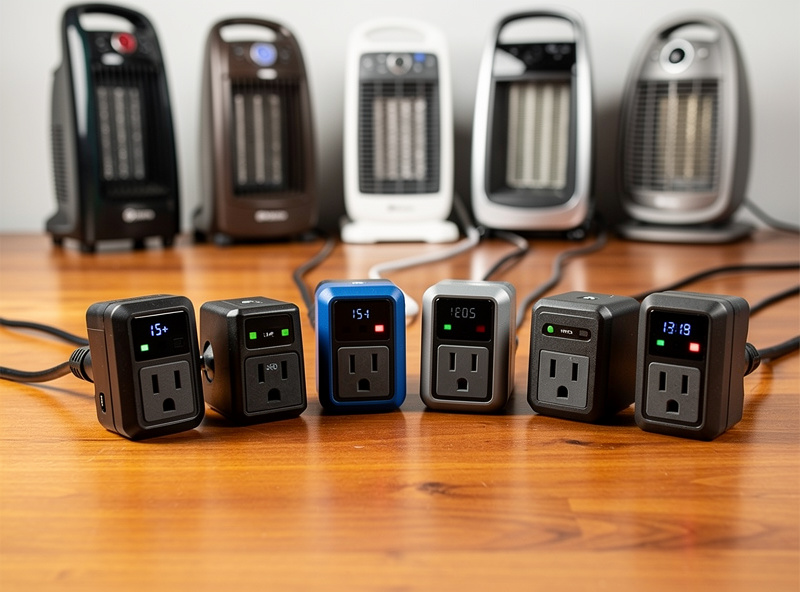
| Product | Price | Amp Rating | Max Wattage | Thermal Protection |
|---|---|---|---|---|
| TP-Link Kasa EP25 | $16.99 | 15A | 1800W | Yes |
| Zooz ZEN15 | $39.99 | 20A | 2400W | Yes |
| Aeotec Heavy Duty Smart Switch | $49.99 | 16A | 1920W | Yes |
| Amazon Smart Plug | $24.99 | 15A | 1800W | Yes |
| Industrial Smart Plug 20A | $59.99 | 20A | 2400W | Yes |
Why Smart Plugs Make Sense for Heaters
Despite the safety considerations, smart plugs add significant value:
- Energy savings: Pre-heat rooms only when needed instead of running all day
- Safety assurance: Remote check and turn-off if you left the house and cannot remember
- Automatic shutoff: Schedule ensures heater never runs overnight accidentally
- Vacation mode: Prevent frozen pipes by scheduling periodic heating in rarely-used rooms
A properly set up smart plug with a space heater meaningfully reduces heating costs in rooms used only part of the day, since you’re no longer paying to heat that room while it sits empty — the exact percentage depends on your room’s insulation, the heater’s wattage, and how many hours a day it would otherwise run unscheduled.
Safety Considerations and Best Practices
Pre-Installation Checklist
- Verify circuit capacity: Confirm outlet is on 20A circuit if using 1500W+ heater
- Check outlet condition: Loose outlets create resistance and heat—tighten or replace if wobbly
- Inspect wiring: Older homes may have aluminum wiring that requires special considerations
- GFCI protection: Ensure outlet has GFCI (required for safety, may be at breaker if not at outlet)
Ongoing Monitoring
- Weekly temperature checks: Feel smart plug housing; should be room temperature or slightly warm, never hot
- Monthly visual inspection: Look for discoloration, melting, or deformation
- Smell test: Any burning odor means immediate disconnection and replacement
- Performance monitoring: If heater seems to run constantly, smart plug may be cycling on/off due to overheating
Emergency Preparedness
- Smoke detectors: Ensure working smoke detectors in any room with space heater
- Fire extinguisher: Keep Class C fire extinguisher accessible (rated for electrical fires)
- Quick disconnect: Know which circuit breaker controls the outlet for emergency shutoff
- Never leave unattended: the U.S. Fire Administration estimates portable space heaters cause about 1,700 home fires annually; always be present when operating
Frequently Asked Questions
Can any smart plug work with a 750W heater on low?
Technically yes, but still risky. Low settings can fail – thermostats malfunction, buttons get bumped, someone switches to high. A smart plug rated for the heater maximum potential draw (usually 1500W) ensures safety even if the heater unexpectedly switches to high. Do not size smart plugs for typical use; size them for worst-case scenarios.
What about oil-filled radiators?
Oil-filled electric radiators draw less power (600-1500W depending on settings) and cycle on and off via internal thermostats. They are gentler on smart plugs than fan-forced heaters because they lack startup power surges. However, still use 15A-rated smart plugs, and ensure the total watts do not exceed ratings. The thermal mass of oil radiators makes them ideal for smart plug scheduling – pre-heat 30 minutes before needed.
Will a smart plug extend my heater power cord?
No – smart plugs add minimal cord length and are not extension cords. If your heater cord does not reach the outlet, move the heater or hire an electrician to install a properly placed outlet. Never use extension cords with space heaters, smart plug or not. Extension cords overheat with continuous high-current draw and are a leading cause of heater-related fires.
Can I use a smart plug with multiple space heaters?
Never. Each space heater requires its own dedicated circuit and smart plug. Two 1500W heaters on one 20A circuit (25 amps total) will trip the breaker immediately or worse, create a fire hazard. If you need to control multiple heaters, use separate smart plugs on separate circuits and create synchronized schedules.
How do I know if my outlet is 15A or 20A?
Check the circuit breaker in your electrical panel – 15A or 20A will be printed on the breaker handle. Alternatively, 20A outlets typically have a T-shaped neutral slot (one vertical, one horizontal) while 15A outlets have two vertical slots. When in doubt, assume 15A and stay under 12A (1440W) continuous load.
What temperature should a smart plug feel?
Room temperature to slightly warm (under 100F) is normal. Hot to touch (over 120F) indicates a problem. If you cannot comfortably hold your hand on the smart plug for 10 seconds, it is too hot. Disconnect immediately and verify ratings or replace with a higher-capacity unit.
Are there insurance implications?
Some homeowner insurance policies have clauses about space heater usage. Using non-certified smart plugs or improper setups could void coverage in case of fire. Stick to UL or ETL listed products rated appropriately for your heater, follow manufacturer guidelines, and document your setup with photos for insurance purposes.
A heavy-duty smart plug on a space heater is one of the few automations where the safety margin genuinely matters. Buy the 15A-rated plug, plug it directly into the wall, and set the schedule to turn the heater off after 2 hours regardless. If you ever catch yourself wondering whether the heater is still running, check the app — and if the app does not confirm, replace the plug.
Related Articles
- Best Smart Plugs 2026: Complete Buyer Guide
- Smart Plug Explained: How They Work and Setup Guide
- Are Smart Plugs Worth It? Complete Value Analysis
- Smart Plug vs Smart Switch: Which to Choose?
- How Much Does a Smart Thermostat Save? Real Data