Best Smart Radiator Valves — Room by Room Control (2026)
The Quick Answer
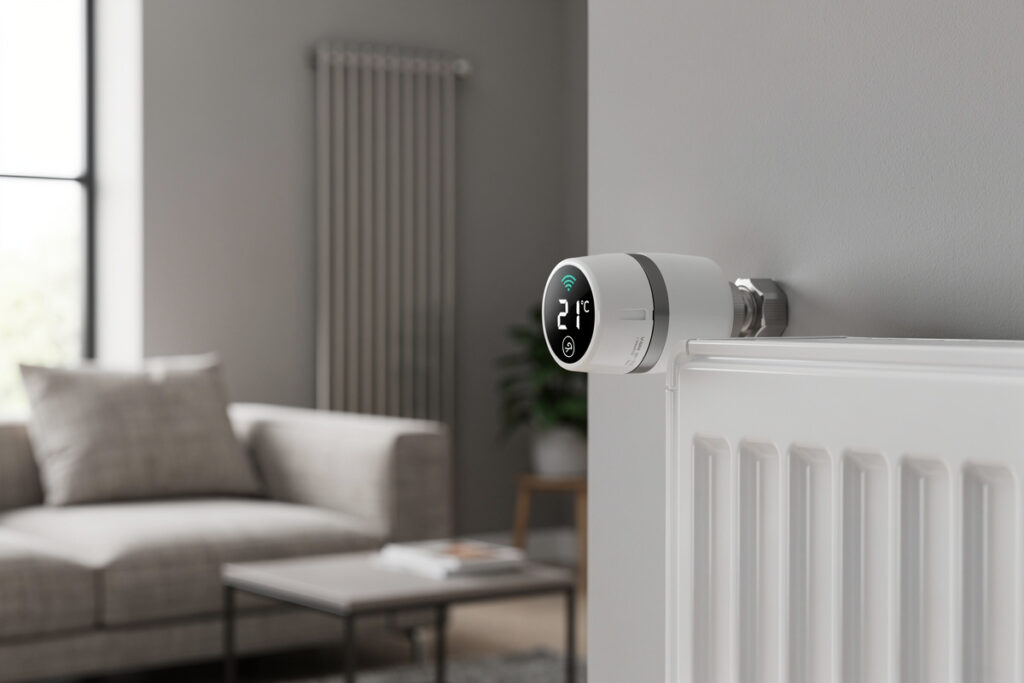
Smart radiator valves cut heating costs by roughly 10-20% by replacing manual TRVs with app-controlled, room-by-room scheduling — heating only the rooms you occupy, when you need them — with the higher end of that range coming from systems that also add geofencing and boiler-cycling control on top of basic zoning. They fit standard radiator connections in 10-15 minutes without plumbing changes. Top options include the Tado Smart TRV for multi-platform homes, Eve Thermo for Apple HomeKit users, and Drayton Wiser for UK boiler systems. See the thermostat buyer’s guide for central heating options.
As an Amazon Associate I earn from qualifying purchases.
Why Smart Radiator Valves Matter
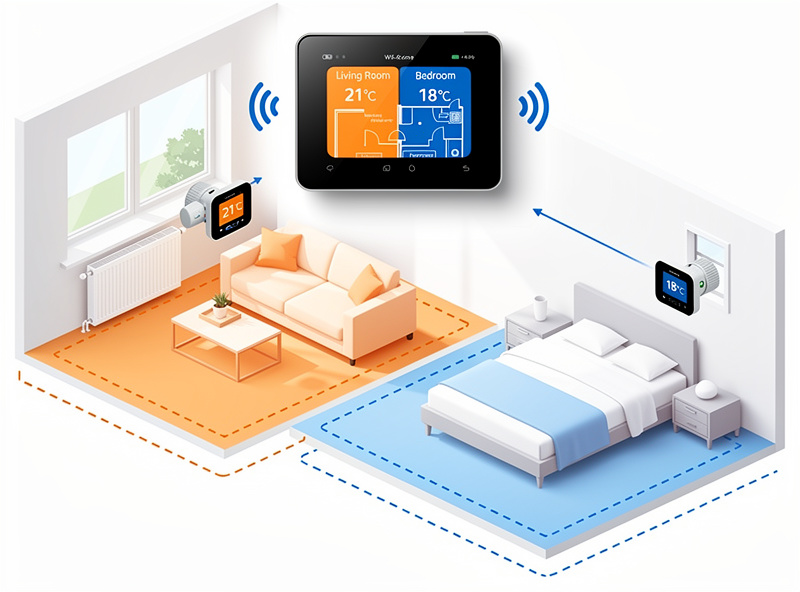
Traditional radiator heating uses a central thermostat that controls the entire home. The problem: upstairs bedrooms run hot while downstairs living rooms stay cold. Or the kitchen overheats while you freeze in the home office. One thermostat cannot satisfy every room.
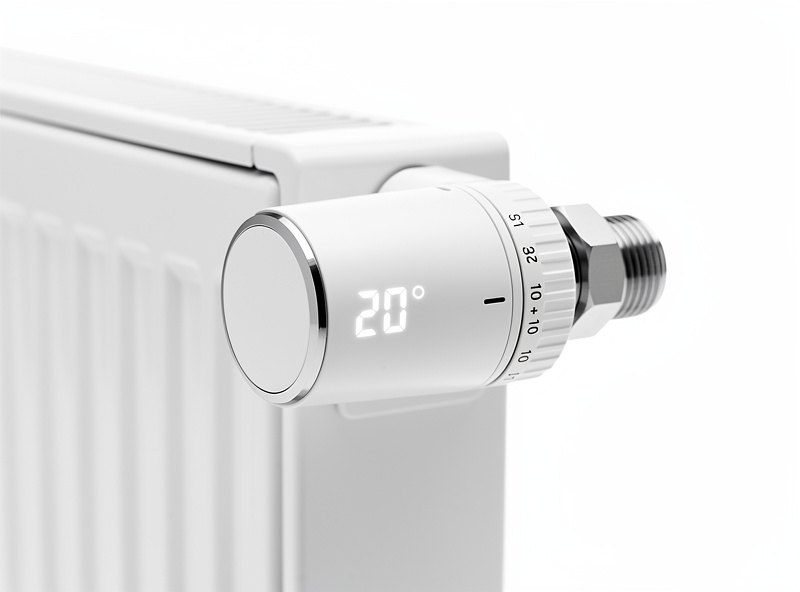
Smart radiator valves (also called smart TRVs or eTRVs) solve this by adding individual control to each radiator. They sense room temperature locally, open or close the valve to maintain setpoints, and communicate with a central hub or your phone. The result: every room at exactly the temperature you want, with significant energy savings from not overheating unused spaces.
How Smart Radiator Valves Work
Basic Operation
Like traditional TRVs, smart valves attach to radiator inlets and control water flow. The difference is intelligence: instead of a simple wax cartridge that responds only to local air temperature, smart valves use electronic sensors, motorized actuators, and wireless connectivity.
Process:
- Valve senses current room temperature via internal thermometer
- Compares to target temperature (scheduled or manual)
- If room is below target, valve opens to allow hot water in
- If room reaches target, valve closes or throttles flow
- Communicates status to app/hub via Zigbee, Z-Wave, Bluetooth, or WiFi
Communication Methods
- Zigbee/Z-Wave: Mesh networking, low power, require compatible hub (SmartThings, Hubitat, etc.)
- WiFi: Direct to router, no hub needed, higher power consumption
- Bluetooth: Phone must be nearby for control, limited range
- Thread: Emerging standard (Eve Thermo), very low power, mesh networking
Integration with Boiler Control
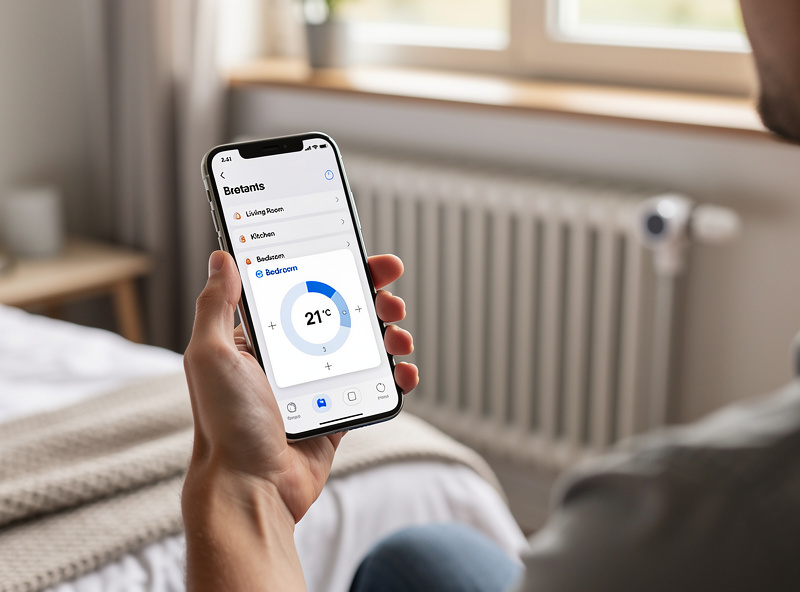
The smartest systems do not just control radiators—they communicate with the boiler. If all rooms reach target temperatures, the system signals the boiler to stop firing, even if the central thermostat still calls for heat. This prevents boiler short-cycling and saves significant energy.
Top Smart Radiator Valves for 2026
Smart Radiator Valve Comparison
| Brand | Price | Protocol | Best Feature |
|---|---|---|---|
| Tado | $70-80 | WiFi/Zigbee | Geofencing, open window |
| Eve Thermo | $100-110 | Thread/HomeKit | No cloud, local control |
| Drayton Wiser | $50-60 | Zigbee | Humidity sensing, value |
| Bosch | $60-70 | Proprietary | Ecosystem integration |
| Shelly TRV | $45-55 | WiFi | DIY, open API |
1. Tado Smart Radiator Thermostat — Best Overall
The European market leader now available globally. Tado offers the most sophisticated ecosystem: radiator valves, boiler control, AC control, and geofencing. The app is polished, scheduling is intuitive, and energy reports are detailed.
Key Features:
- Zone-based control (group radiators by room)
- Open window detection (pauses heating if temperature drops rapidly)
- Geofencing—heat only when you are approaching home
- Weather adaptation—delays heating if sunny day predicted
- Boiler control integration prevents short cycling
Price: $70-80 per valve; starter kits with bridge available
Requirements: Tado Bridge (included in kits) for remote access
2. Eve Thermo (Thread/Bluetooth) — Best for HomeKit
Beautiful design, exceptional build quality, and native Apple HomeKit integration. Uses Thread networking (via Apple TV/HomePod as border router) for excellent reliability without draining batteries.
Key Features:
- Native HomeKit—Siri control, automations, no cloud dependency
- Child lock to prevent manual tampering
- Schedule directly in Apple Home app or Eve app
- Excellent battery life (2+ years) thanks to Thread efficiency
- Works without internet (local control via Thread/Bluetooth)
Price: $100-110 per valve
Requirements: Thread border router (Apple TV 4K, HomePod, or HomePod mini)
3. Drayton Wiser Smart TRV — Best Value
British engineering at an affordable price. Wiser offers reliable performance without premium pricing. The system includes a central heat hub that replaces your existing programmer, providing whole-home intelligence.
Key Features:
- Individual room scheduling via Wiser app
- Smart modes: Comfort, Eco, Away
- Open window detection
- Humidity sensing in addition to temperature
- Integration with Alexa and Google Assistant
Price: $50-60 per valve; starter kits from $150
Requirements: Wiser Heat Hub (replaces existing timer/programmer)
4. Bosch Smart Home Radiator Thermostat II — Best for Bosch Ecosystem
If you have other Bosch Smart Home devices, their radiator valves integrate seamlessly. Solid performance, good app, and reliable hardware. German engineering quality shows in the smooth motorized operation.
Key Features:
- Bosch Smart Home ecosystem integration
- Scenes and automation with other Bosch devices
- Manual temperature adjustment via integrated dial
- Quiet operation (important for bedrooms)
Price: $60-70 per valve
Requirements: Bosch Smart Home Controller
5. Shelly TRV — Best for DIY/Home Assistant
For tech enthusiasts who want maximum control, Shelly offers open APIs, local control without cloud, and integration with Home Assistant, Hubitat, and other platforms. Requires technical setup but rewards with flexibility.
Key Features:
- WiFi connectivity—no additional hub needed
- Full local API access
- Home Assistant integration is excellent
- Web-based configuration (no app required)
- Budget-friendly
Price: $40-50 per valve
Requirements: Technical know-how, WiFi network, optional Home Assistant
Installation Process
Compatibility Check
Before purchasing, verify:
- Valve Type: Most radiators use 30mm x 1.5mm thread (standard TRV size)
- Adapter Requirements: Some systems need adapters (usually included in valve kits)
- Radiator Orientation: Valves install on the inlet (flow) side, not return
- System Pressure: Smart valves work with standard residential pressure (1-2 bar)
Step-by-Step Installation
- Turn Off Heating: Disable boiler and let system cool
- Close Isolation Valves: Stop water flow to the radiator
- Drain Radiator: Open bleed valve, catch water with towel/container
- Remove Old TRV: Unscrew existing valve (counter-clockwise)
- Clean Threads: Remove old PTFE tape and debris
- Apply New Tape: Wrap PTFE tape clockwise on new valve threads
- Install Smart Valve: Hand-tighten, then 1/4 turn with wrench (do not over-tighten)
- Open Isolation Valves: Restore water flow
- Check for Leaks: Tighten slightly if needed
- Pair with App: Follow manufacturer pairing instructions
Time Required: 10-15 minutes per radiator
Skill Level: Basic DIY—if you have replaced a faucet washer, you can do this
Energy Savings with Smart TRVs
How Much Can You Save?
Energy Saving Trust research puts basic TRV-only savings at around 10% of heating costs, with combined-system upgrades (programmer, room thermostat, and TRVs together) pushing higher. Academic testing (BEAMA/University of Salford) found an average closer to 18% across real homes. Realistic range to expect, depending on your starting efficiency:
- Current Situation: One central thermostat, all radiators fully open
- With Smart TRVs: Only heat rooms you use, reduce temperature in unused spaces
- Example: $150/month heating bill becomes $120-135 (saving $15-30/month)
Savings Mechanisms
- Zone Control: Do not heat empty guest rooms or unused offices
- Night Setback: Automatically reduce bedroom temps after bedtime
- Open Window Detection: Stop heating when someone forgets a window open
- Geofencing: Drop temperatures when everyone leaves
- Smart Boiler Control: Stop boiler when all zones satisfied
How I Run This in My Own House
My radiators run Zigbee TRVs paired directly into my Home Assistant hub through Zigbee2MQTT, not through any single manufacturer’s app — that’s deliberate. Once a valve shows up as an ordinary climate entity in HA, I can write one automation that checks the mmWave presence sensor in a room before calling for heat there, instead of trusting a phone’s geofence or a vendor’s own scheduling engine to guess whether anyone’s home. The living room and my home office get presence-aware setback: the target temperature drops a couple degrees a few minutes after the room reads empty and recovers before I’m back in it, driven by the same presence sensors already on my mesh rather than a fixed timer. Bedrooms just get a simple night setback with no sensors involved — nobody wants a radiator valve reacting to them rolling over at 2 AM. The boiler itself still runs on its own basic thermostat, but it fires less overall because most of the radiators in the house are throttled for most of the day.
Which Protocol to Actually Buy
If you already run a hub — Home Assistant, Hubitat, SmartThings — buy Zigbee or Z-Wave valves, not WiFi ones. Every WiFi TRV is one more device competing with your laptop for router airtime and one more brand’s cloud service sitting between you and your own radiator; Zigbee valves join your existing mesh, draw less power, and keep working through an internet outage because the automation logic runs on your hub, not a vendor’s server. I made the opposite mistake early on with a WiFi valve in this category — it dropped its connection every time my ISP hiccuped, which is exactly when I needed the room to respond. If you don’t have a hub yet and only want one or two valves for a single problem room, a WiFi model or Eve’s Thread setup (using an Apple TV or HomePod you already own as the border router) is a fair trade against buying a coordinator stick you’ll barely use. Thread is worth watching in this category too — it borrows Zigbee’s mesh reliability without a dedicated coordinator, which is part of why Eve Thermo gets such long battery life.
Smart Home Integration
Voice Control
“Alexa, set living room to 72°F” works with most systems. Tado, Wiser, and Bosch integrate with Alexa and Google. Eve Thermo uses Siri through HomeKit.
Automation Examples
- Morning Warm-Up: Heat bathroom 30 minutes before wake time
- Movie Night: Increase living room temperature, decrease others
- Bedtime: Reduce all bedrooms to 65°F after 11 PM
- Vacation Mode: Maintain 55°F throughout house when away
- Window Alerts: Notify if heating is active with window open
Troubleshooting Common Issues
Valve Not Opening/Closing
- Check battery level in app
- Verify valve is not stuck (manually rotate to free)
- Recalibrate via app settings
- Ensure adapter is correct for your radiator
Temperature Inaccurate
- Valve may be too close to radiator—heat radiates to sensor
- Use external room sensor if available (Tado, Eve offer these)
- Offset temperature in app settings
Connectivity Issues
- Check distance to hub/router
- Zigbee/Z-Wave devices may need repeaters in large homes
- WiFi models need strong 2.4GHz signal at each radiator
Related: How Much Do Smart Thermostats Save? | Smart Thermostats for Apartments | Nest vs Ecobee Comparison
Frequently Asked Questions
Do smart radiator valves work with any boiler?
Most smart radiator valves work with any hot water or steam boiler system. They replace standard TRVs and control flow at the radiator level. The key requirement is standard threaded valve connections (M30 x 1.5mm or compatible adapters). Some advanced features like boiler modulation require compatible heating systems.
Can I install smart radiator valves myself?
Yes, installation is straightforward: turn off heating, unscrew old TRV by hand or with wrench, apply new sealant tape, screw on smart valve. No plumbing modifications needed. Setup via app takes 5-10 minutes per valve. Professional installation is only needed if valves are seized or pipes require modification.
Do I need a hub for smart radiator valves?
It depends on the brand. WiFi models (Shelly) connect directly to your router. Zigbee models (Tado, Drayton) require a hub. Thread models (Eve) need a Thread border router like Apple TV or HomePod. Most starter kits include necessary hubs; individual valves do not.
How much do smart radiator valves save?
Energy Saving Trust research puts basic TRV-only savings around 10% of heating costs, with academic testing finding averages closer to 18% and combined-system upgrades (programmer, thermostat, and TRVs together) pushing higher. Individual room scheduling prevents heating bedrooms during day or living rooms at night. For a home spending $1,500 annually on radiator heating, expect roughly $150-300 in yearly savings.
Will smart TRVs work with Alexa or Google?
Most smart radiator valves integrate with voice assistants. Tado works with Alexa and Google. Eve Thermo works with Siri via HomeKit. Drayton Wiser supports Alexa and Google. Voice commands include “set bedroom to 20 degrees” or “turn off all radiators.”
Can I use smart radiator valves in just one room?
Yes, you can start with a single valve. Most systems work standalone, though benefits increase with whole-home coverage. Starting with problem rooms—typically the coldest or hottest spaces—provides immediate comfort improvements while you evaluate expansion.
Related Articles
- Best Smart Thermostats 2026: Complete Buyer’s Guide
- How Much Does a Smart Thermostat Save? Real Data
- Smart Thermostats with Humidity Control
- Nest vs Ecobee: Honest Comparison
- Smart Home for Beginners: Complete Setup Guide