Smart Solar Panel Integration with Home Automation (2026)
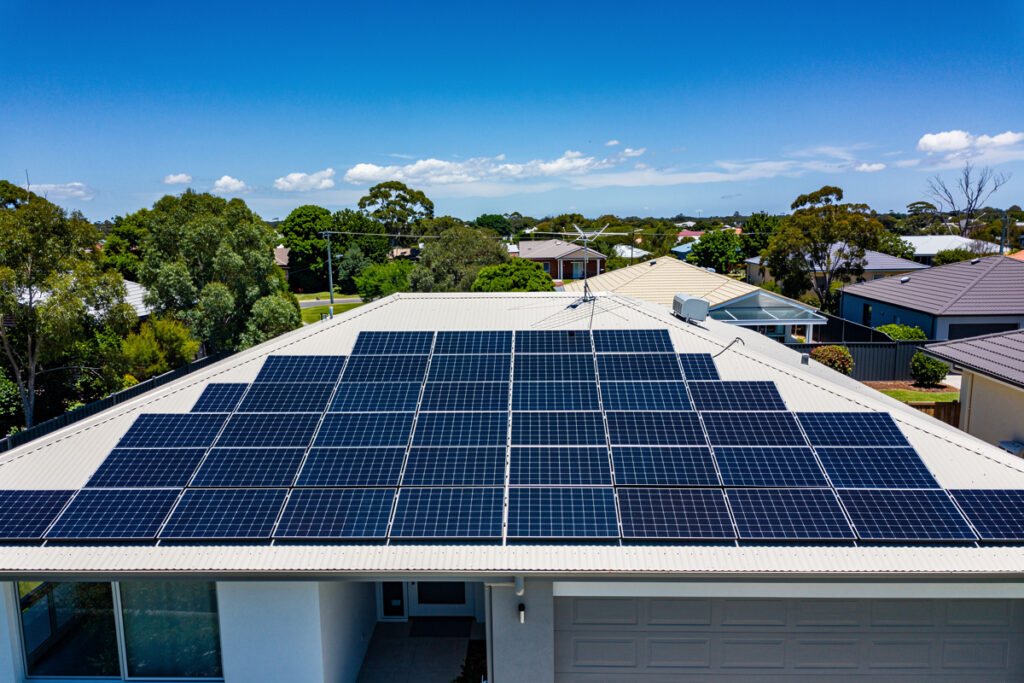
A 6kW solar array on my roof produces 25-35 kWh daily, but without smart automation I was exporting surplus at wholesale rates and buying it back at retail every evening. Smart solar panel integration with home automation closes that gap — it reduced my grid dependence by nearly 50% within the first month by automatically shifting dishwasher, EV charging, and water heating to solar production hours. The Emporia Vue and Sense monitors track production and consumption side by side, then trigger appliances when the sun is doing the work. Here is how to set it up.
As an Amazon Associate I earn from qualifying purchases.
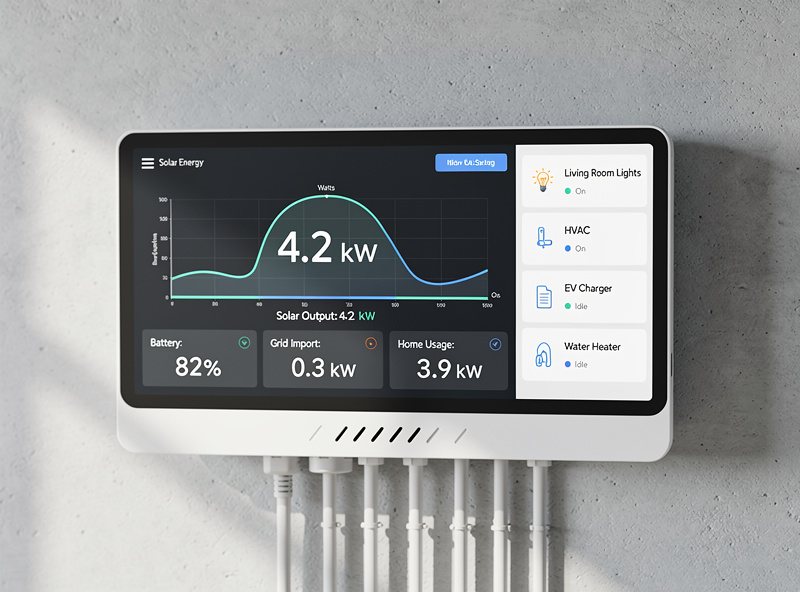
How Solar Panel Integration with Smart Home Systems Works
Solar panel integration connects your photovoltaic system’s inverter to your home automation platform, either through native manufacturer APIs or CT clamps on the solar output wires. Most modern string inverters from Enphase, SolarEdge, and SMA provide WiFi or Ethernet connectivity for direct cloud integration. When your system produces more power than your home consumes, the surplus either charges battery storage or exports to the grid depending on your automation rules and current utility rate structures.
The integration requires three components: solar production monitoring (typically via inverter API or CT clamps), consumption monitoring (whole-home or circuit-level), and an automation platform capable of making decisions based on the difference. Home Assistant, SmartThings, and Hubitat all support solar production tracking through manufacturer integrations or universal protocols like Modbus TCP. The automation logic evaluates production minus consumption in real-time and triggers actions when surplus power exceeds predetermined thresholds.
Common automation triggers include: starting a pool pump when solar surplus exceeds 2kW, charging an EV when production peaks, pre-cooling your home during midday solar peaks to reduce air conditioning costs, and diverting excess power to water heating. Each of these actions replaces grid electricity with free solar power, improving your self-consumption rate from the baseline 25-30% to 60-70% or higher depending on your load flexibility and battery capacity.
Solar Production Monitoring Options
The Enphase Ensemble system offers the most seamless smart home integration through its Ensemble IQ platform, which communicates with Envoy gateways via powerline networking. Enphase microinverters report production data per-panel, enabling granular analysis of shading, soiling, and performance variations across your array. The myEnlighten app provides real-time monitoring, but Home Assistant integration through the Enphase integration delivers production data to your automation platform for sophisticated load management.
SolarEdge inverters provide production monitoring through the SetApp configuration tool and cloud-based Monitoring Portal. The inverter’s built-in WiFi enables direct connection to your home network without additional hardware. For smart home integration, SolarEdge’s API allows Home Assistant, Hubitat, and other platforms to poll production data every 30 seconds, providing sufficient granularity for automation decisions. The detailed performance data includes panel-level metrics that identify individual underperforming modules.
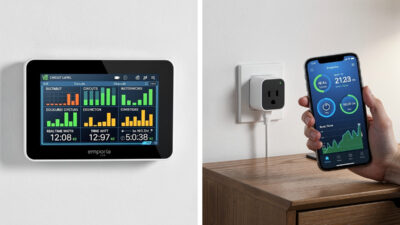
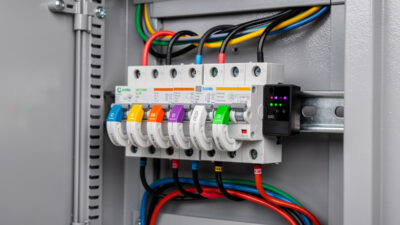
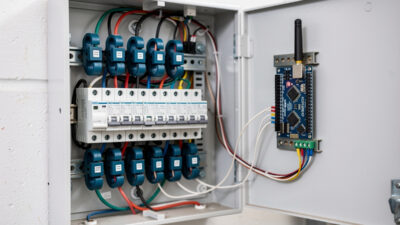
For systems without native smart inverter connectivity, split-core CT clamps on the solar output wires feeding your main panel provide production monitoring via whole-home energy monitors. The Emporia Vue 2 supports up to 16 CT channels, with one channel dedicated to solar production. This approach works with any inverter type and delivers production data alongside your circuit-level consumption monitoring in a single dashboard.
Battery Storage and Load Shifting
Battery storage transforms solar integration from daytime-only optimization to 24-hour grid independence. A 10-13kWh battery like the Tesla Powerwall 2, LG Chem RESU, or Franklin WHF stores midday production for evening use when utility rates are highest under time-of-use rate structures. Smart integration coordinates battery charging during solar peaks and discharging during evening hours, typically achieving 30-50% additional bill savings compared to solar-only systems.
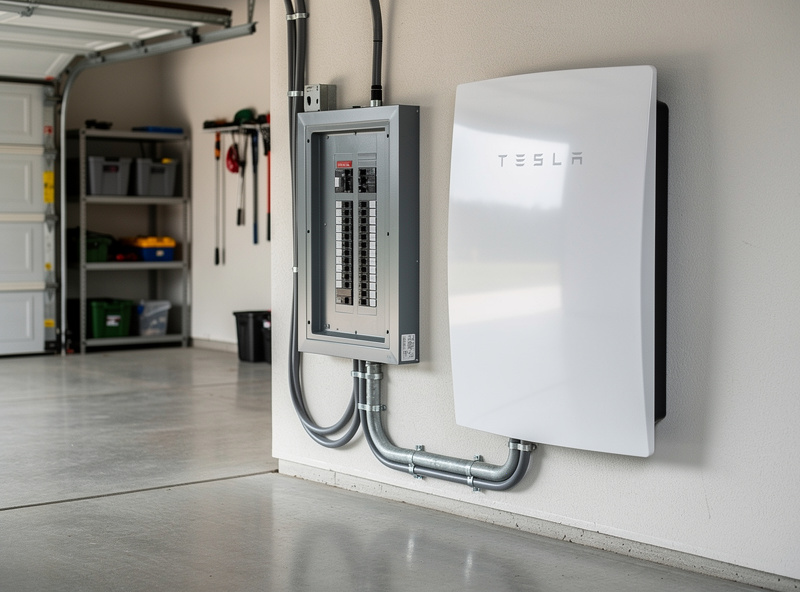
The charging strategy depends on your utility rate structure. Under flat rate pricing, batteries charge whenever solar surplus exceeds household consumption, maximizing stored energy for nighttime use. Under time-of-use rates, batteries prioritize charging during the solar peak window (typically 11am-3pm) when electricity is cheapest from the grid perspective and solar production is highest. The battery then discharges during the evening peak (4pm-9pm) when grid electricity costs 2-4x more, capturing the rate differential.
Home Assistant with the Tesla Powerwall integration or Battery丸/SolarEdge integrations coordinates storage dispatch automatically. The automation calculates optimal charge and discharge cycles based on weather forecasts, anticipated consumption patterns, and utility rate schedules. For households with EV charging, coordinating battery storage with vehicle charging windows prevents the conflict between filling your car and having backup power for your home.
Smart Appliances That Maximize Solar Self-Consumption
Certain appliances consume enough power that scheduling them around solar production significantly impacts your self-consumption rate. Pool pumps running 1-2HP for 4-8 hours daily can consume 3-8kWh, making them ideal solar loads. A smart pool pump controller like the Pentair IntelliFlo or Jandy iQPump learns your utility rate structure and solar production patterns, automatically scheduling operation during peak solar windows to maximize free energy usage.
Water heaters represent 15-20% of household energy consumption and offer excellent solar shifting potential. A standard 50-gallon electric water heater drawing 4,500 watts can run for 2-3 hours during solar peak production to maintain temperature without drawing from the grid. Smart water heater controllers from YoLink, Fibaro, or GridX monitor solar surplus and grid rates, automatically activating heating elements during optimal windows. For households with heat pump water heaters, coordination becomes even more valuable due to their higher efficiency and longer runtime requirements.
EV charging provides the largest single load opportunity for solar households. A Level 2 EV charger drawing 7-10kW can fully absorb a 6kW solar array’s production during peak hours. Smart EV chargers like the ChargePoint Home Flex, Ford Connected Charge Station, or Wallbox Pulsar Plus support scheduled charging and integrate with Home Assistant, SmartThings, and utility demand response programs. The typical EV requires 20-40kWh to fully charge, which represents 2-4 hours of solar production on a 6kW system.
Time-of-Use Rate Optimization with Solar
Time-of-use rate structures make solar integration significantly more valuable by creating larger spreads between peak and off-peak electricity prices. In California, for example, summer peak rates reach $0.45-0.60/kWh during 4pm-9pm while off-peak night rates fall to $0.25-0.30/kWh. A 6kW solar system producing 30kWh daily can offset $8-15 of peak-rate consumption when production is optimally coordinated with consumption.
The coordination strategy depends on whether you have battery storage. Without storage, the goal is maximizing self-consumption during solar production hours while shifting flexible loads to overlap with production. With storage, you add evening peak coverage by discharging batteries after sunset. The optimal approach also considers net metering policies: if your utility offers favorable net metering rates, exporting excess solar during peak hours and importing at night may be more valuable than maximizing self-consumption.
Modern smart home platforms automatically calculate the optimal dispatch strategy based on your utility rate structure, solar production forecast, consumption patterns, and battery state of charge. Home Assistant’s Energy Management dashboard provides the visualization and automation framework, while the Energyflow-s card shows real-time energy flows from solar to consumption to battery to grid. This automation typically improves the financial return from solar by 20-40% compared to passive solar with no coordination.
Solar Monitoring Dashboards and Apps
Most solar inverters include manufacturer apps that display production data, historical trends, and performance alerts. Enphase myEnlighten provides panel-level monitoring for microinverter systems, showing real-time production, daily totals, and historical performance comparisons. SolarEdge’s Monitoring Portal offers similar functionality with the added benefit of panel-level performance data for rapid fault identification. These apps suffice for basic monitoring but lack the automation integration necessary for sophisticated load management.
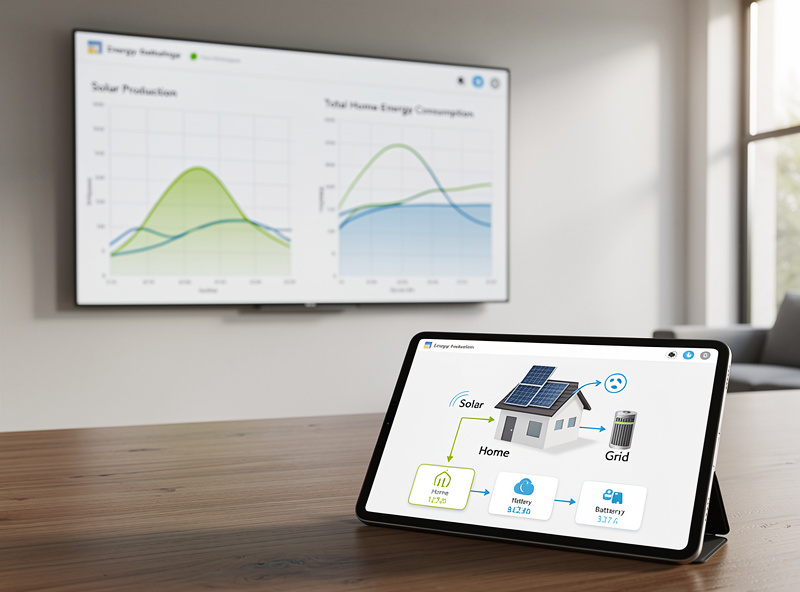
Home Assistant provides the most powerful solar monitoring dashboard through custom integrations and the Energy Management panel introduced in 2022. The dashboard displays solar production, home consumption, battery state of charge, and grid import/export in real-time. Energyflow cards visualize energy flows between sources and destinations, making it immediately obvious when solar production exceeds consumption and triggers battery charging or grid export.
For users preferring cloud-based solutions, Sense Energy Monitor’s solar integration displays production alongside consumption in a unified interface. The Emporia Vue app similarly consolidates solar and consumption monitoring with customizable dashboards and bill projection features. Both platforms support IFTTT and SmartThings integration for basic automation, though neither matches Home Assistant’s flexibility for sophisticated custom automations.
If I were integrating solar with smart home automation from scratch, I would start with a $100 Emporia Vue 2 to track both production and consumption on one screen, add three smart plugs on the biggest daytime loads (EV charger, water heater, dishwasher), and delay battery storage until the consumption data tells me exactly which hours I need it most. The $100 monitor pays for itself in two months of load shifting. The battery is a bigger decision — worth it if your utility has high evening rates or frequent outages. For everyone else, start with the monitor and the plugs.
Frequently Asked Questions
How much does solar panel integration with home automation cost?
Solar panel integration with home automation costs $0-500 depending on your existing equipment. If your inverter has native WiFi or Ethernet connectivity (most modern systems), monitoring integration is free using manufacturer apps or Home Assistant. Battery storage adds $5,000-15,000 depending on capacity. Smart appliances like pool pumps ($300-800) and EV chargers ($300-700) add automation capability. The automation ROI typically comes from improved self-consumption rates worth $20-80 monthly.
Do solar panels work with smart home systems?
Yes, all modern solar panel systems work with smart home platforms. Enphase, SolarEdge, SMA, and most other inverter manufacturers provide APIs or integrations with Home Assistant, SmartThings, and Hubitat. Systems without native connectivity can be monitored using CT clamps on the solar output wires connected to whole-home energy monitors like Emporia Vue or Sense. Once production data is available to your platform, automations can respond to surplus solar generation.
How much can I save by integrating solar with smart home automation?
Solar integration with smart home automation saves 30-50% more than passive solar by maximizing self-consumption rates. A typical 6kW system earning $1,500 annually in bill savings with passive monitoring can generate $1,950-2,250 annually with active load management. The additional $450-750 comes from automatically running appliances during solar production windows rather than drawing from the grid at evening peak rates.
What is the best battery storage for solar integration?
The Tesla Powerwall 2 remains the best overall choice for solar integration with 13.5kWh capacity, native solar integration, and seamless backup capability. The LG Chem RESU offers comparable performance at similar price points. For budget installations, the Franklin WHF provides excellent value with 13kWh capacity. All major batteries integrate with Home Assistant, SmartThings, and major inverter platforms.
Can I add solar monitoring to an existing system?
Yes, existing solar systems can be retrofitted with monitoring using CT clamps on the inverter output wires. The Emporia Vue 2 accepts up to 16 CT channels, making it ideal for adding solar monitoring alongside circuit-level consumption tracking. The Sense Energy Monitor also supports solar integration through voltage sensors or CT clamps. No inverter modifications are required for CT-based monitoring.
How does battery storage affect solar ROI?
Battery storage improves solar ROI by 30-50% by storing midday production for evening use when electricity costs 2-4x more under time-of-use rates. A battery prevents you from exporting surplus solar at wholesale rates during the day and repurchasing at retail rates at night. The optimal battery size depends on your evening load, solar production, and utility rate structure. Most households find 10-13kWh sufficient for overnight coverage.
Related Articles
- Best Smart Home Energy Management Systems 2026: Complete Guide
- Best Smart Electricity Monitors for Home
- How to Set Up a Smart Home Energy Dashboard
- How Much Does a Smart Thermostat Save? Real Data
- Best Smart Thermostats 2026: Complete Buyer’s Guide