Best Robot Vacuum for Pet Hair: Tested and Compared
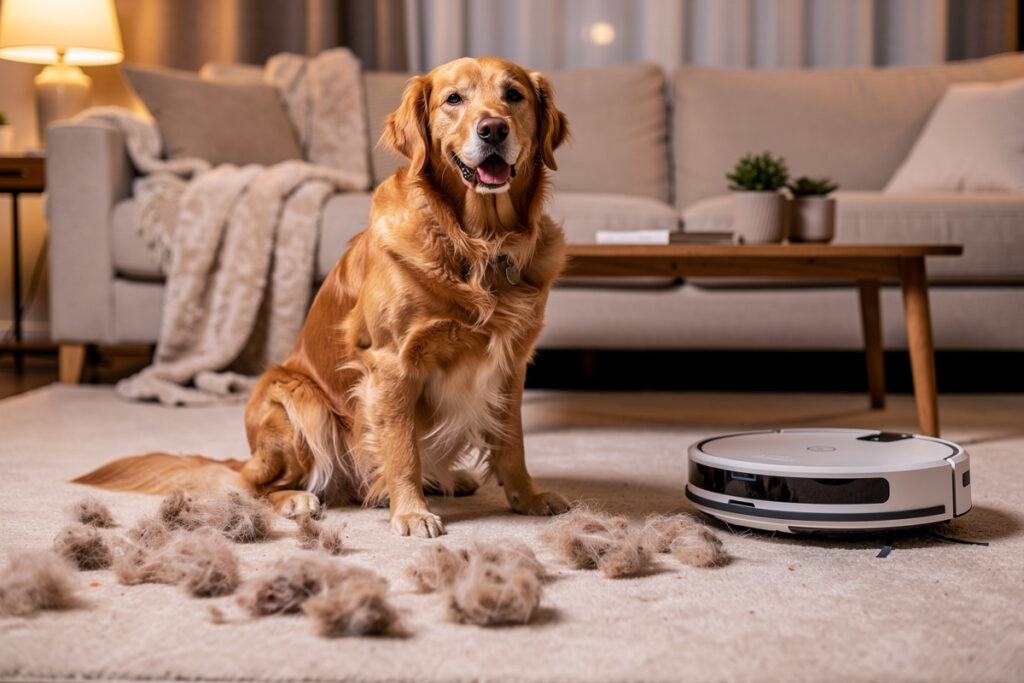
The best robot vacuum for pet hair in 2026 combines 6,000 Pa or higher suction with rubber dual-roller extractors that resist tangling, a dustbin capacity of at least 400ml, and HEPA filtration that captures 99.97% of pet dander particles down to 0.3 microns. These four features separate models that keep up with daily shedding from budget robots that choke on fur within two cleaning sessions.
Pet households generate 3 to 5 times more floor debris than pet-free homes. A single medium-sized dog sheds enough hair daily to fill a standard 200ml robot vacuum dustbin every other run, and cat hair wraps around bristle brushes tight enough to stall motors within a week. The right robot vacuum handles this volume without constant manual intervention. This guide covers the specific features that matter for pet owners, the brush designs that prevent tangling, and the filtration standards that protect allergy sufferers from pet dander.
Disclosure: HomeAutoCentral is reader-supported. As an Amazon Associate I earn from qualifying purchases, at no extra cost to you.
Want to shop as you read? You can browse current robot vacuums built for pet hair on Amazon — then check each one against the four features below before you buy.
Why Standard Robot Vacuums Fail With Pet Hair
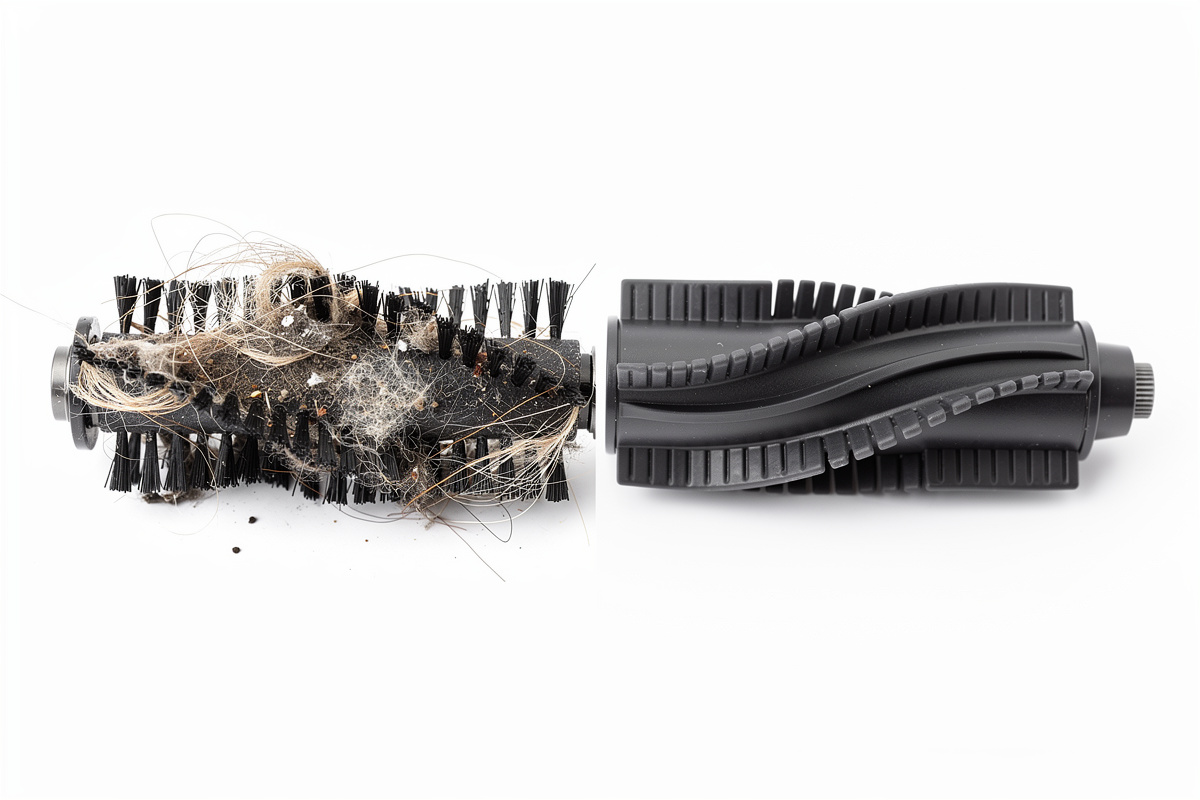
Standard robot vacuums with bristle brush rollers were designed for dust and light debris on hard floors. Pet hair wraps around bristle brushes in tight spirals that accumulate with each cleaning session, eventually forming a dense mat that reduces brush rotation speed by 30 to 50 percent and forces the motor to draw more current. Within 2 to 4 weeks of daily use in a pet home, a bristle brush robot either loses cleaning effectiveness or triggers the brush motor’s thermal protection, stopping mid-clean.
The dustbin capacity problem compounds the brush issue. Budget robot vacuums with 200ml dustbins fill completely during a single-room clean in heavy-shedding households. When the bin is full, suction drops to near zero and the robot continues running but picks up nothing — wasting battery while leaving hair on the floor. Models with 400 to 600ml bins complete full-home cleans even in multi-pet households, and self-emptying bases eliminate the bin capacity limitation entirely.
Standard filtration lets fine pet dander pass through the exhaust, redistributing allergens into the air the robot was supposed to clean. For households where pet allergies are a concern, this makes a standard filter robot vacuum actively counterproductive — it stirs up settled dander and blows it airborne where it triggers symptoms for hours.
Rubber Extractors vs Bristle Brushes for Pet Hair
Rubber dual-roller extractors are the single most important feature for pet owners. Two counter-rotating rubber rollers with textured surfaces grip pet hair and pull it directly into the dustbin without wrapping. The rubber surface provides no grip point for hair spirals to form, so the rollers stay clean for weeks of daily use. When hair occasionally catches in the end caps, the included cleaning tool clears it in 15 seconds versus the 5 to 10 minutes required to detangle a bristle brush.
Side brushes present a secondary tangling risk. The spinning side brush that sweeps debris from edges and corners toward the main rollers does accumulate hair wraps. Look for models with detachable side brushes that pop off for easy cleaning. Some premium models have adapted side brush designs with fewer, stiffer bristles that resist wrapping while still effectively sweeping edges.
If you already own a bristle-brush robot vacuum and cannot replace it, cut wrapped hair from the brush roller weekly using scissors. This maintenance prevents motor strain but does not solve the fundamental design limitation. The next time you purchase, prioritize rubber extractors — the difference in pet-hair performance is not incremental, it is the difference between a useful tool and a frustrating one.
Suction Power Requirements for Pet Hair
Pet hair embedded in carpet fibers requires significantly more suction than surface dust on hard floors. The minimum effective suction for pet hair on low-pile carpet is 5,000 Pa, with 6,000 to 8,000 Pa handling medium-pile carpet and pet hair effectively. For homes with high-pile carpet or thick area rugs, 8,000 Pa or higher ensures the vacuum pulls embedded hair from deep fibers rather than just collecting what sits on the surface.
Auto-boost suction is critical for pet homes with mixed flooring. The robot runs at lower suction on hard floors (preserving battery and reducing noise) and automatically increases to maximum when carpet sensors detect a transition. Without auto-boost, you choose between running maximum suction everywhere (draining the battery in 90 minutes instead of 180) or running lower suction that fails on carpet. Every top-rated robot vacuum for pet owners includes carpet-detection auto-boost.
HEPA Filtration and Pet Allergies
True HEPA filters rated H13 or higher trap 99.97% of airborne particles at 0.3 microns, including the pet dander proteins (Fel d 1 from cats, Can f 1 from dogs) that trigger allergic reactions. Standard filters in budget robot vacuums capture particles only down to 10 microns — 33 times larger than the allergen threshold — allowing dander to pass through and recirculate.
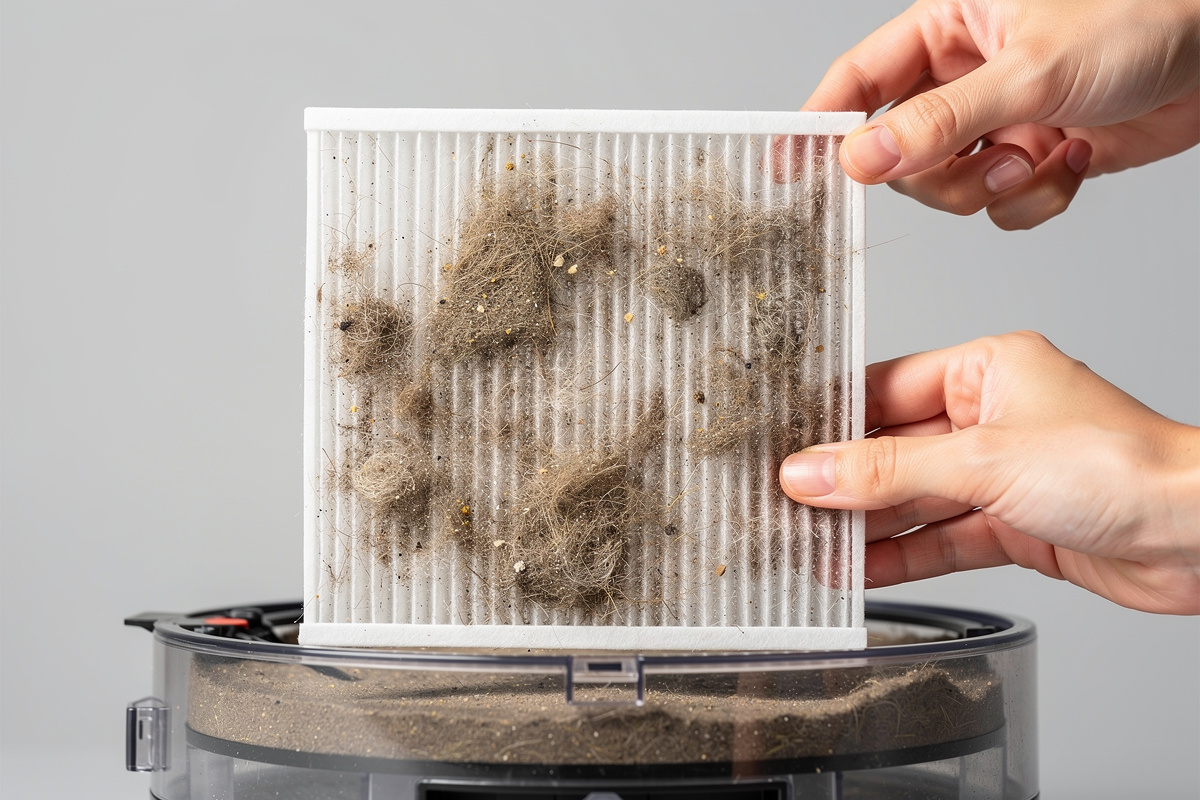
Sealed filtration systems add another layer of protection by preventing air from bypassing the filter through chassis gaps. In a sealed system, all exhaust air passes through the HEPA filter. Non-sealed systems allow 5 to 15% of air to escape unfiltered through housing seams, reducing effective filtration. For allergy sufferers, the combination of H13 HEPA and sealed airflow is non-negotiable.
Self-emptying bases with sealed dust bags provide the final allergen containment step. When you manually empty a robot vacuum dustbin, a cloud of fine dust and dander puffs into the air. Self-emptying bases suction debris into a sealed bag that you remove and discard without exposure. Models with auto-sealing bags that close before ejection offer the cleanest experience for severe allergy households.
Best Robot Vacuum Features for Multi-Pet Homes
Homes with 2 or more shedding pets need the maximum dustbin capacity available — ideally 500ml or more onboard, paired with a self-emptying base. Running the vacuum twice daily during heavy shedding seasons (spring and fall coat blows) keeps hair manageable without manual intervention for 30 to 45 days between base-bag changes.
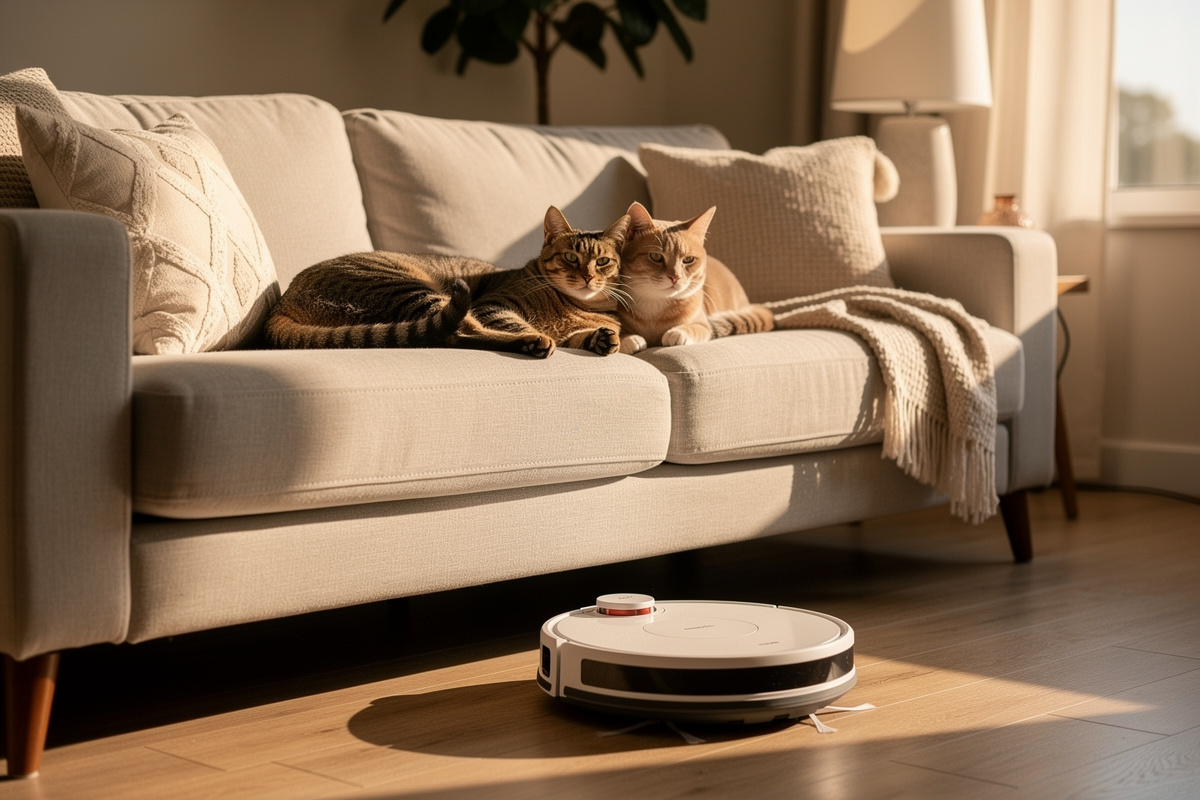
Zone-based scheduling helps target high-shed areas. Pet beds, feeding stations, and favorite resting spots accumulate hair faster than general floor areas. Map these zones in the companion app and schedule extra cleaning passes — the robot hits pet zones daily while running full-home cleans 2 to 3 times per week. This approach extends battery life and focuses cleaning power where it matters most. Integrate with your smart home automations to trigger pet-zone cleans at specific times.
Obstacle avoidance matters more in pet homes. Pet toys, food bowls, water dishes, and the occasional accident create floor-level obstacles that basic robots hit and push around. LiDAR models with 3D camera obstacle detection navigate around pet bowls without contact and can be trained to avoid specific objects through the app. Some models specifically recognize pet waste and avoid it — a genuinely useful feature that prevents the notorious scenario of a robot spreading an accident across every room.
Maintenance Schedule for Pet Owners
Even with rubber extractors and HEPA filtration, pet-owner robots require a more aggressive maintenance schedule than the manufacturer’s general recommendations. Clean the main rollers every 1 to 2 weeks by removing hair from end caps and bearing areas. Replace rollers every 6 to 9 months instead of the standard 12-month recommendation — pet hair accelerates rubber wear.
Wash or replace HEPA filters monthly instead of the standard 2 to 3 month interval. Pet dander and fine fur clog filter media faster than household dust, reducing airflow and suction. Washable filters should be rinsed under cold water and air-dried completely (24 hours minimum) before reinstalling — a damp filter restricts airflow and can develop mold. Keep a spare filter to rotate while the washed one dries.
Empty or replace self-emptying base bags every 3 to 4 weeks in multi-pet homes versus the 6 to 8 weeks typical for pet-free households. Overfull bags reduce suction transfer from robot to base, leaving residual debris in the onboard bin that falls out on the next cleaning run. Setting a calendar reminder prevents this easily avoidable issue.
Frequently Asked Questions
How much suction does a robot vacuum need for pet hair?
A minimum of 5,000 Pa for hard floors with pet hair and 6,000 to 8,000 Pa for carpet. High-pile carpet and heavy-shedding breeds benefit from 8,000 Pa or more. Auto-boost suction on carpet transitions is essential.
Do robot vacuums tangle with pet hair?
Bristle brush models tangle badly within 1 to 2 weeks. Rubber dual-roller extractors resist tangling and run for weeks without manual cleaning. Always choose rubber extractors for pet homes.
Are robot vacuums good for pet allergies?
Models with true HEPA H13 filters and sealed airflow systems capture 99.97% of pet dander down to 0.3 microns. Standard filters miss allergen-sized particles and can redistribute dander through exhaust air.
How often should I run a robot vacuum with pets?
Daily runs on main living areas and twice daily during heavy shedding seasons in spring and fall. Focus extra runs on pet beds, feeding areas, and favorite resting spots using zone scheduling in the app.
Do self-emptying bases help with pet hair?
Yes. Self-emptying bases solve the small dustbin problem that causes pet-hair robots to lose suction mid-clean. They also seal pet dander inside disposable bags, preventing allergen exposure during manual emptying.
Can robot vacuums detect pet waste on the floor?
Some premium models with AI-powered 3D cameras specifically recognize pet waste and navigate around it. This feature prevents the robot from spreading accidents across multiple rooms during a cleaning run.