Robot Vacuum and Mop Combo: Complete Buyer Guide
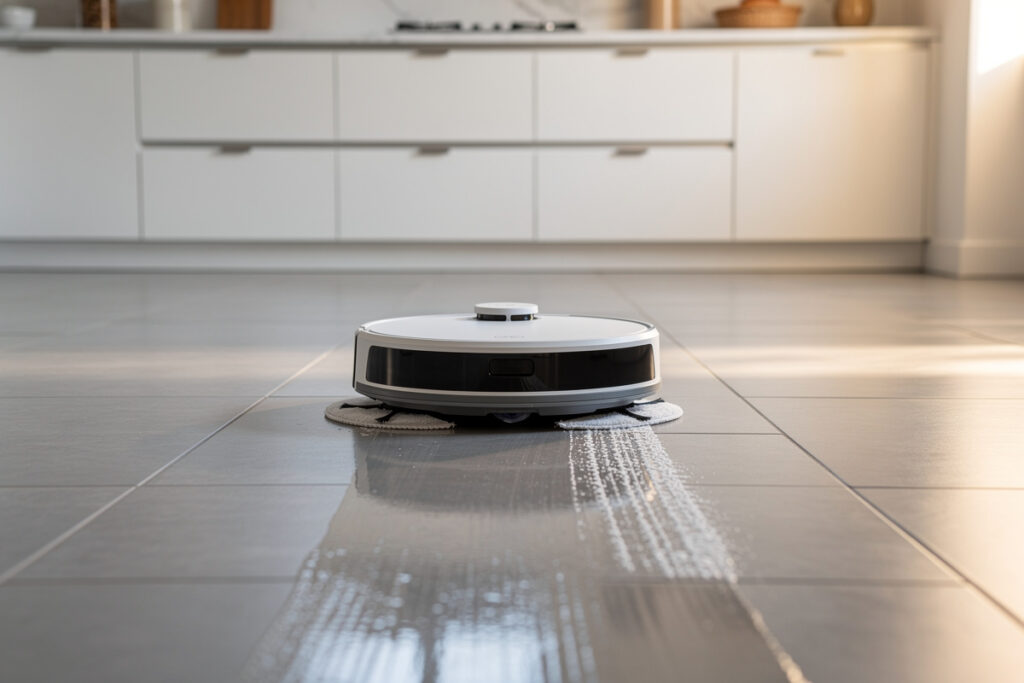
The best robot vacuum and mop combos in 2026 clean hard floors in a single pass, vacuuming debris first and scrubbing with vibrating or rotating mop pads immediately behind. Premium models with sonic mopping at 3,000 cycles per minute and automatic mop-lift for carpet transitions deliver genuinely clean floors, while budget combo units with passive drag cloths leave streaks and redistribute dirty water across the surface.
Hybrid vacuum-mop robots have improved dramatically since the early models that simply dragged a damp pad behind a vacuum. Current top-tier combos apply 6 to 12 Newtons of downward pressure through vibrating or dual-spinning pads, deliver fresh water from an onboard tank while suctioning dirty water separately, and automatically wash and dry their own mop pads at the dock station. This guide covers the mopping technologies, mop-lift systems, and self-cleaning docks that separate premium combo units from models that waste your money.
Disclosure: HomeAutoCentral is reader-supported. As an Amazon Associate I earn from qualifying purchases, at no extra cost to you. I only recommend gear worth your money.
How Robot Vacuum Mop Combos Work
A robot vacuum and mop combo contains two separate cleaning systems in one chassis. The front section houses the vacuum motor, dustbin, main brush roller, and side brushes identical to a vacuum-only robot. The rear section holds a water tank, water pump, and one or two mop pads that press against the floor surface. During a cleaning run, the robot vacuums first and mops immediately after in the same pass, preventing the mop from pushing debris across wet floors.
Water delivery systems vary between models. Basic models use gravity-fed tanks that drip water onto the pad at a fixed rate, offering no control over wetness. Mid-range models use electronic water pumps with 2 to 4 adjustable flow levels controlled through the app. Premium models add separate clean-water and dirty-water circuits that spray fresh water ahead of the pad and suction dirty water behind it, similar to a Bissell CrossWave approach but fully autonomous.
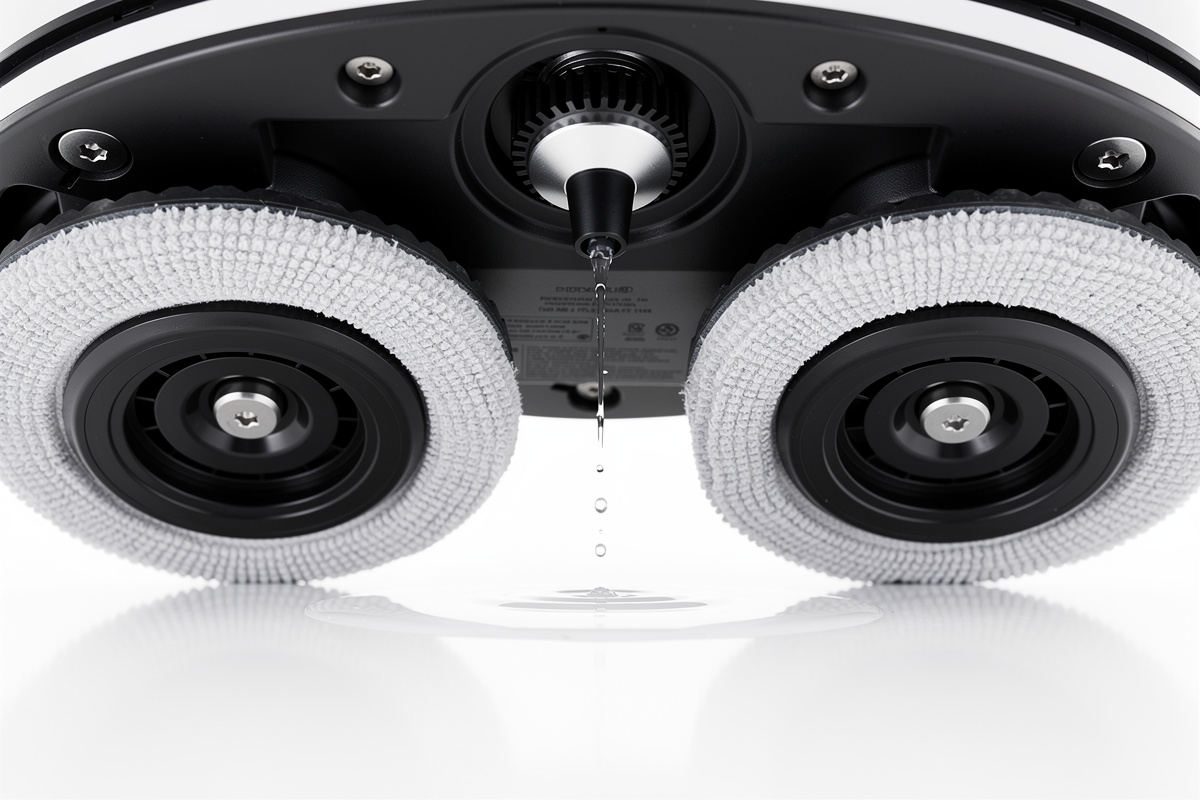
Mopping pressure is the single biggest differentiator between models that actually clean versus models that just wet the floor. Passive-drag mop pads apply 1 to 3 Newtons of pressure — enough to pick up fresh spills but useless against dried coffee rings or kitchen grease. Vibrating pads at 2,000 to 3,000 Hz apply 6 to 10 Newtons, genuinely scrubbing the floor surface. Dual rotating pads spinning at 180 RPM apply up to 12 Newtons, the closest any robot gets to hand-mopping results.
Mop-Lift: Why It Matters for Mixed Floors
Mop-lift is the feature that automatically raises or detaches the mop pads when the robot transitions from hard floor to carpet. Without mop-lift, a wet mop pad drags across your carpet fibers, soaking them with dirty water and leaving damp streaks that attract new dirt. This forces you to either manually remove the mop attachment before cleaning carpeted rooms or accept that your robot can only clean one floor type per session.
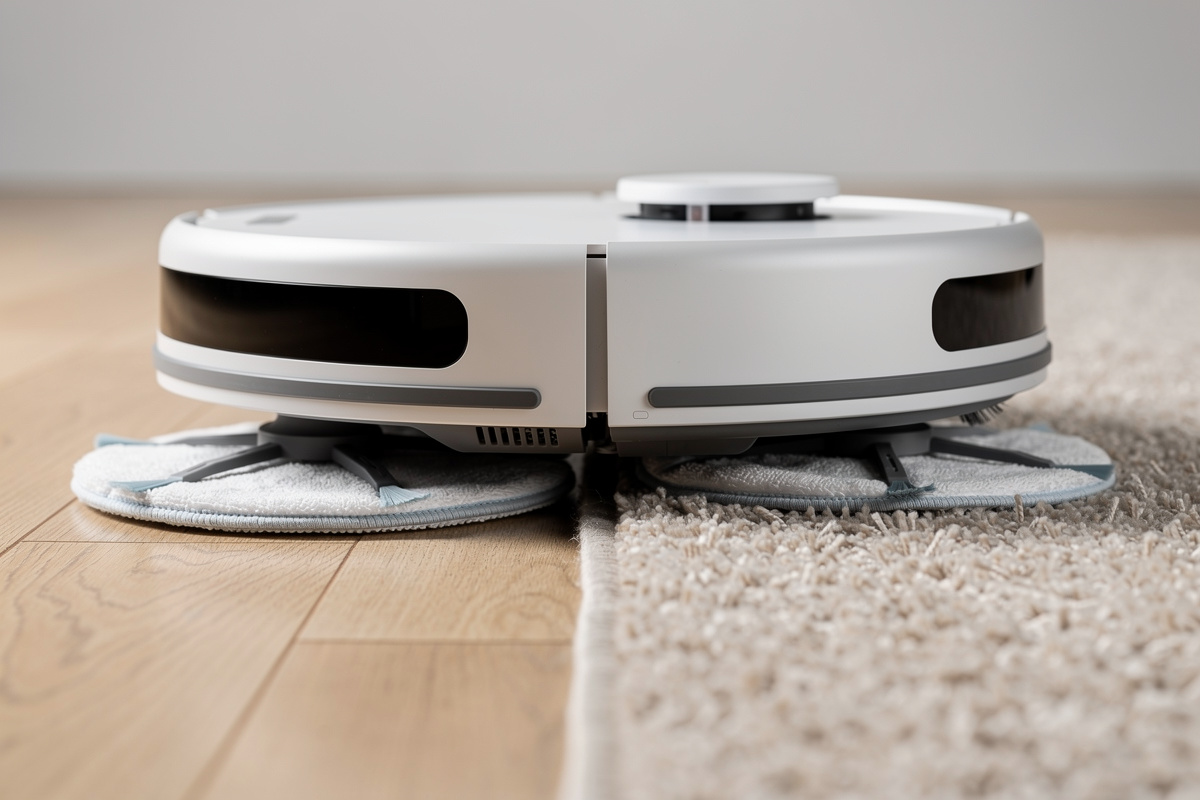
Mechanical mop-lift raises the pads 5 to 15mm above the floor surface using a motorized arm, keeping them clear of low-pile carpet. This works for carpet under 10mm pile height but may still contact thicker rugs. Some premium models lift mop pads 20mm or higher, clearing even medium-pile carpet. Detachable systems go further — the robot returns to its dock, drops the mop attachment, and resumes vacuuming carpeted rooms completely mop-free.
If your home has any combination of hard floors and carpet, mop-lift is non-negotiable. Models without it require you to babysit transitions or accept compromised cleaning. Every top-rated robot vacuum in the combo category now includes some form of mop-lift, but the height and reliability vary significantly between brands and price tiers.
Self-Cleaning Docks for Mop Combos
The self-cleaning dock is what transformed robot vacuum mops from a gimmick into a genuine cleaning solution. After each cleaning session, the dock washes the mop pads with clean water (some models use hot water at 55 to 60 degrees Celsius), spins them dry, and optionally blows warm air to prevent mildew growth between cleanings. Without a self-cleaning dock, you must manually wash mop pads after every use — a task that negates the hands-free benefit.
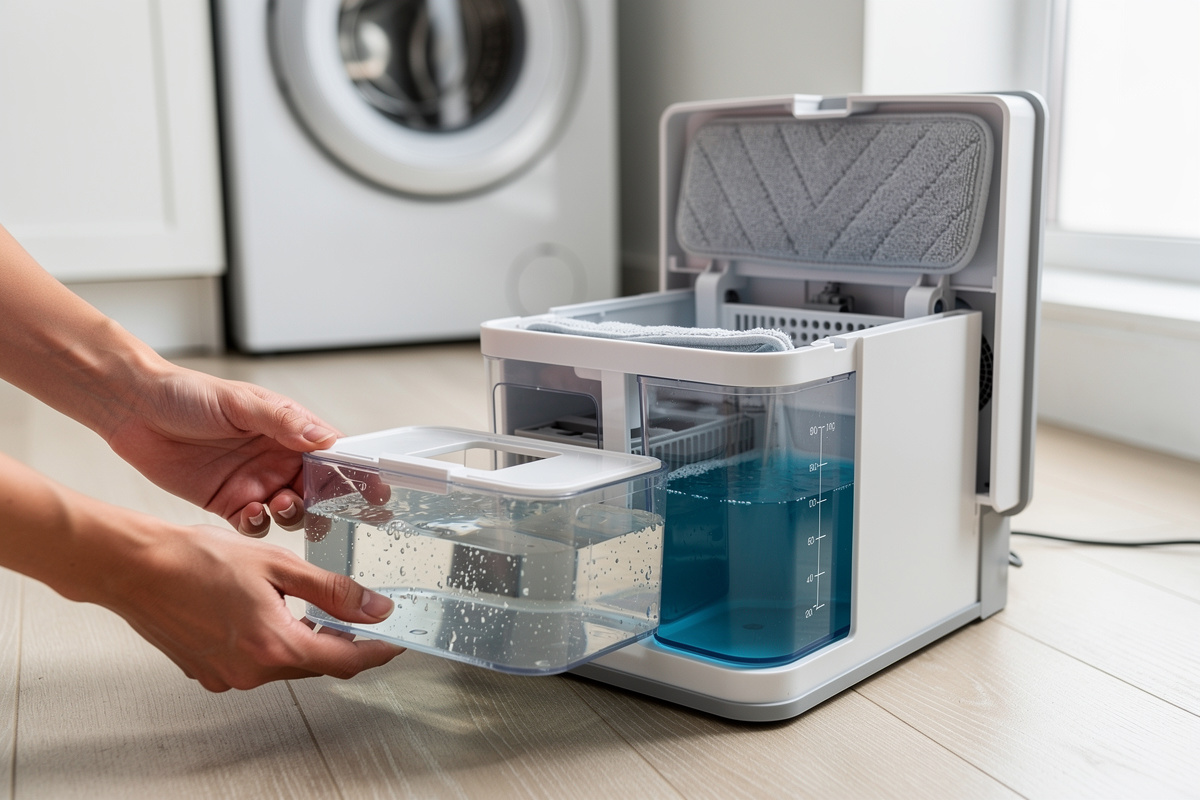
Premium self-cleaning docks include separate clean and dirty water tanks (typically 3 to 4 liters each), allowing 4 to 7 full-home mopping sessions before you need to refill or empty. The dock refills the robot’s onboard water tank before each run, ensuring consistent water supply across the entire floor. Some docks add cleaning solution dispensers that automatically mix floor cleaner into the wash water at the correct dilution ratio.
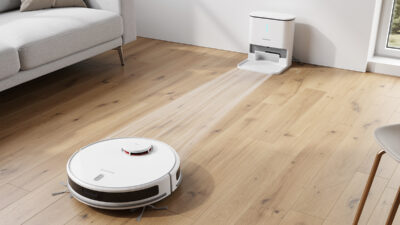
Dock size is a practical consideration often overlooked during purchase. Self-cleaning mop docks are significantly larger than standard vacuum-only docks — typically 450mm wide by 500mm deep by 450mm tall. Measure your intended placement area before buying. Most owners place them along a wall in the kitchen, laundry room, or utility closet where the larger footprint is less visible and plumbing access is nearby for water changes.
Best Robot Vacuum and Mop for Different Floor Types
Sealed hard floors (glazed tile, luxury vinyl plank, sealed hardwood, polished concrete) work with any combo robot. These surfaces tolerate moderate water without damage, and even basic passive-drag mopping picks up dust and light soil. The main concern is cleaning solution compatibility — avoid models that use acidic or abrasive solutions on natural stone or waxed wood finishes.
Unsealed or sensitive hard floors (unfinished hardwood, cork, unsealed stone) require combo robots with precise water control. Use the lowest water setting, ensure the robot does not leave standing water behind, and select models with quick-evaporation mop pads. Excessive water on unsealed wood causes warping and staining. If your floors fall in this category, consider a vacuum-only robot paired with a separate dedicated robot mop that offers finer water control.
Mixed hard floor and carpet homes benefit most from mop-lift-equipped combos. The robot vacuums everywhere and mops only hard floor areas, switching between modes automatically based on floor surface detection. Map the rooms in your companion app and set per-room preferences — mop enabled for kitchen and bathroom, vacuum-only for bedrooms and living room. This level of customization is available on mid-range models ($400+) with LiDAR mapping.
Robot Vacuum Mop vs Dedicated Robot Mop
A dedicated robot mop applies 2 to 3 times more mopping pressure than a combo unit, uses larger water tanks, and runs longer mop-specific cleaning patterns. If your home is 80% or more hard floor and you care about mopping quality, a standalone robot mop paired with a vacuum-only robot outperforms any single combo unit. The downside is double the purchase cost, double the dock space, and two separate schedules to manage.
A combo unit makes more sense for homes with mixed flooring, limited dock space, or owners who prioritize convenience over absolute mopping performance. The mopping on premium combo units ($700+) is genuinely effective for daily maintenance — keeping floors presentable between manual deep-mops. It will not replace quarterly hands-and-knees scrubbing of grout lines or textured tile, but it eliminates the need for daily Swiffer-style passes.
Running Costs for Combo Units
Robot vacuum mop combos carry higher consumable costs than vacuum-only models. Mop pads need replacement every 2 to 4 months ($12 to $20 per pair for disposable pads) or weekly washing for reusable cloth pads. Self-cleaning dock solution refills cost $10 to $15 per bottle lasting 4 to 8 weeks depending on mopping frequency. Add the standard vacuum consumables — filters, brushes, and self-emptying bags — and total annual running costs reach $80 to $150 versus $40 to $80 for vacuum-only models.
Water quality affects mop pad lifespan and dock maintenance. Hard water leaves mineral deposits on mop pads and inside dock plumbing. Using filtered or distilled water extends pad life and prevents calcium buildup in water lines. Some premium docks include a water filter cartridge ($10 to $15 replacement every 3 months) that handles hard water automatically.
Smart Home Integration for Mop Scheduling
Most robot vacuum mop combos integrate with Alexa and Google Home for voice-activated cleaning, including mop-specific commands like “clean the kitchen with mopping.” Advanced integrations trigger mop runs based on smart home events — a door sensor detecting muddy-shoe arrivals can start a hallway mop run, or a dinner-time routine can trigger a kitchen clean 30 minutes after a cooking-related smart home automation fires.
Schedule management through the app lets you set mopping frequency by room. High-traffic hard floor areas like kitchens and entryways benefit from daily mopping, while bathroom floors and hallways may only need 2 to 3 sessions per week. Setting different mopping intensities by room — maximum water and pressure for the kitchen, light mist for the hardwood living room — delivers appropriate cleaning without manual intervention.
Frequently Asked Questions
Do robot vacuum mop combos actually clean well?
Premium combo units with vibrating or rotating mop pads at 6 to 12 Newtons of pressure genuinely scrub hard floors clean. Budget models with passive drag cloths only spread water around without real cleaning power.
Can a robot vacuum and mop replace hand mopping?
For daily maintenance on sealed hard floors, yes. Premium combos with self-cleaning docks keep floors consistently clean between manual deep cleans. They cannot scrub grout lines or reach wall edges as effectively as hand mopping.
Do I need a self-cleaning dock for a robot mop?
Not technically, but practically yes. Without a self-cleaning dock you must wash mop pads by hand after every use. The dock washes, rinses, and dries pads automatically, making the system genuinely hands-free for weeks at a time.
Will a robot vacuum mop damage hardwood floors?
Sealed hardwood floors handle robot mopping safely on low water settings. Unsealed or waxed hardwood can be damaged by excessive moisture. Use the lowest water setting and avoid models that leave standing water behind.
What is mop-lift and why does it matter?
Mop-lift automatically raises mop pads when the robot moves onto carpet, preventing wet pads from soaking carpet fibers. Models without mop-lift drag wet pads across carpet, causing damp spots and potential mold growth underneath.
How often should I run the mop function?
Daily mopping on low water settings for kitchens and entryways, and 2 to 3 times weekly for other hard floor areas maintains consistently clean floors. Adjust frequency based on household traffic, pets, and cooking habits.