Shark Robot Vacuum: Complete Buyer Guide
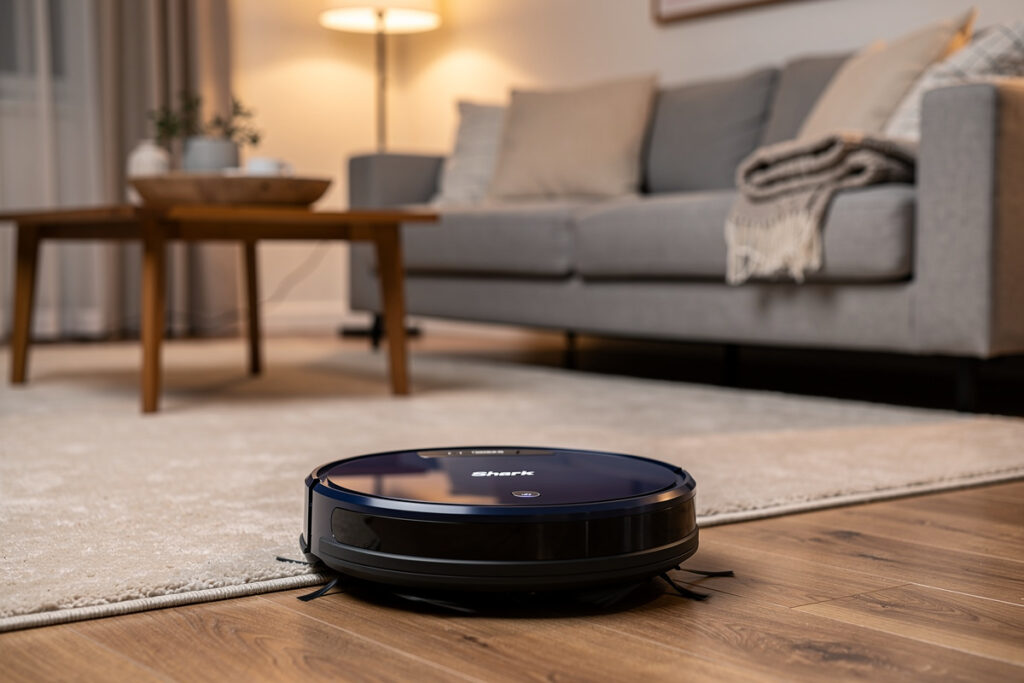
Shark robot vacuums occupy the mid-range sweet spot between budget robots and premium LiDAR models, offering self-emptying bases, strong suction, and reliable Wi-Fi connectivity at prices between $250 and $550. Like iRobot, Shark doesn’t publish a Pa figure for its robots on its own spec sheets, but independent bench testing rates the flagship Matrix as Shark’s best-performing model for suction and airflow. Shark’s biggest advantage is retail availability — its robots are stocked at every major US retailer with easy returns and warranty service, making them the most accessible brand for first-time robot vacuum buyers.
Disclosure: HomeAutoCentral is reader-supported. As an Amazon Associate I earn from qualifying purchases, at no extra cost to you. I only recommend gear worth your money.
Shark entered the robot vacuum market building on decades of upright vacuum engineering, bringing suction motor expertise and brush roller design knowledge to a category dominated by tech-focused brands. Where Roborock and Roomba compete on navigation sophistication and app ecosystems, Shark focuses on cleaning performance fundamentals — strong suction, durable brushes, and self-emptying convenience at prices $100 to $200 below comparable competitors. This guide covers Shark’s robot vacuum lineup, strengths, limitations, and where it fits against the broader market.
I recommended a Shark to my parents — both in their seventies, who wanted a robot that required zero app troubleshooting and could be bought at Costco and returned if it didn’t work. Two years later, the Shark still runs every weekday on their hardwood main floor, self-empties without issues, and the only maintenance it has needed is brush replacements every six months. That is Shark’s lane: not the smartest navigation, not the highest suction spec, but a robot that works out of the box for people who will never open a companion app beyond the initial setup. This guide helps you decide if that lane is yours.
Shark Robot Vacuum Navigation Systems
Shark offers two navigation tiers across its lineup. The entry-level IQ Nav system uses a combination of sensors and a gyroscope to clean in methodical rows rather than random patterns, covering rooms efficiently without building a persistent map. IQ Nav robots create a fresh navigation plan each session, which means they cannot support room-specific scheduling or no-go zones but do avoid the random-bounce wastefulness of bottom-tier robots.
Shark’s premium 360-degree LiDAR navigation (available on the Shark Matrix and newer models) creates persistent floor maps, stores multiple floor plans, and supports room-specific cleaning schedules with no-go zones through the SharkClean app. The LiDAR implementation is competent — comparable to mid-range Roborock mapping quality — but Shark offers fewer map customization options and slower map refinement between sessions.
For buyers who prioritize cleaning power over navigation sophistication, Shark’s IQ Nav models deliver excellent value. They clean floors thoroughly and methodically at prices $100 to $200 below LiDAR competitors. The trade-off is losing room-specific scheduling and no-go zones — acceptable for single-story homes with open floor plans where the robot cleans the entire space each run.
Shark Self-Emptying XL Bases
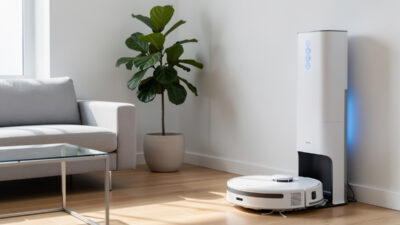
Shark’s self-emptying bases (branded “DOCK” with various capacities) hold 30 to 60 days of debris depending on the model and household conditions. The XL base uses sealed bags similar to Roomba’s Clean Base, containing allergens and preventing dust exposure during disposal. Replacement bags cost $15 to $20 for a 3-pack, comparable to competing brands.
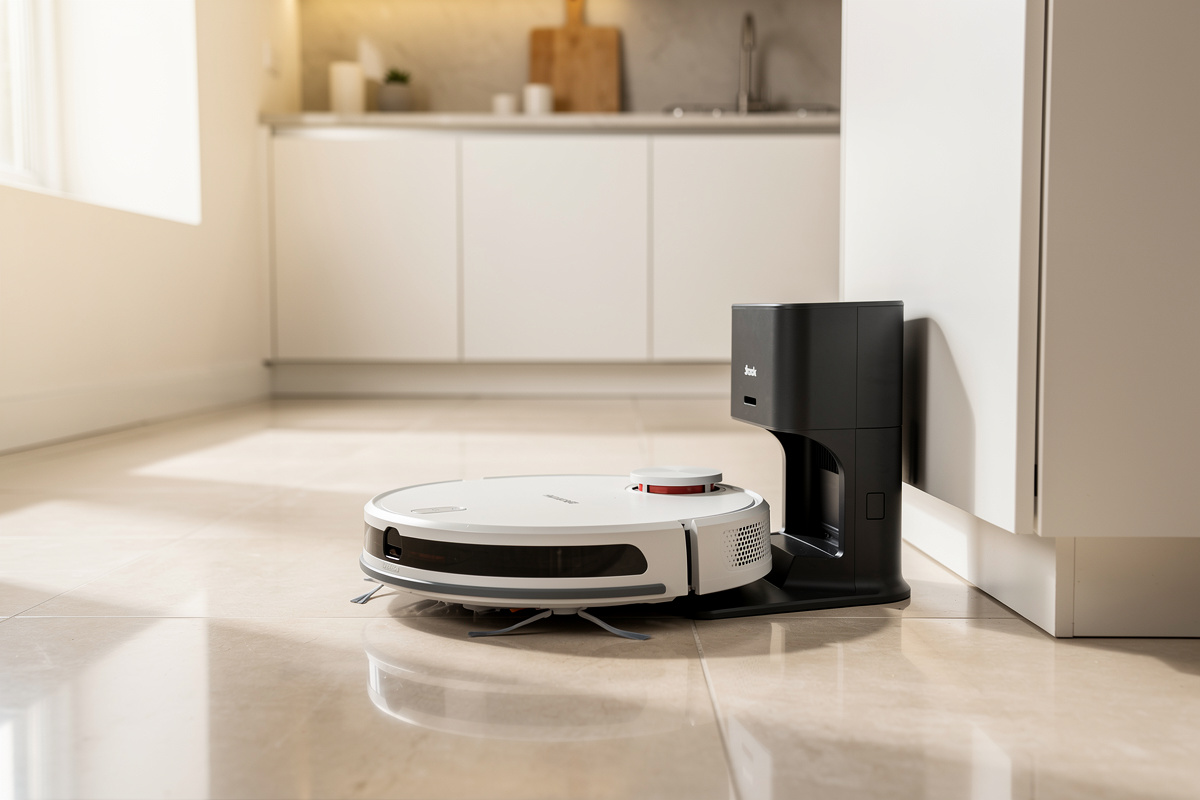
The emptying cycle runs 10 to 15 seconds at approximately 75 dB — similar to other brands. Shark bases include anti-microbial treatment on the dust pathway that reduces bacterial growth and odor inside the base, a feature not universally offered by competitors. For pet owners where the base accumulates pet hair and dander for weeks, the antimicrobial treatment provides tangible freshness benefits.
Shark bundles the self-emptying base with many of its mid-range models rather than selling it as a premium add-on. This bundled approach means a Shark robot with self-emptying capability often costs $300 to $400 total — $100 to $200 less than equivalent Roomba or Roborock bundles. For buyers where self-emptying is the priority feature, Shark delivers it at the lowest price point in the market.
Shark Cleaning Performance
Shark’s core strength is suction motor engineering. The company’s decades of upright vacuum development translate into efficient airflow designs that extract more debris per unit of suction than some competitors. Shark doesn’t publish a Pa rating for its robots at all — the same non-disclosure approach iRobot takes with Roomba — but independent bench testing rates the Matrix’s suction and airflow well above average, cleaning carpet comparably to competitors that advertise higher Pa numbers on their spec sheets. The suction specification alone does not capture the full picture of cleaning effectiveness.
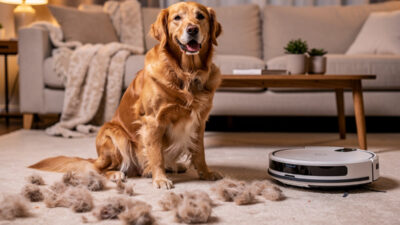
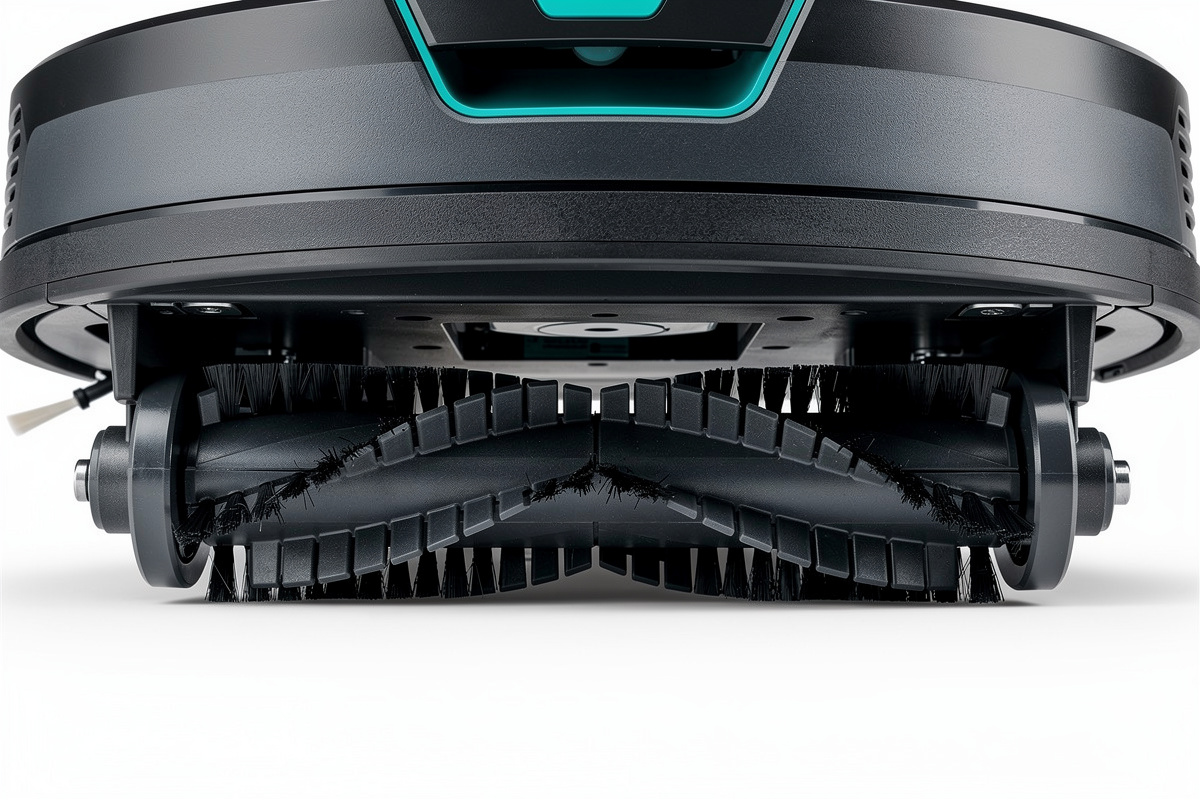
Brush roller design is another Shark strength. The self-cleaning brush roll automatically detangles hair during operation using a comb mechanism built into the brush housing. This reduces maintenance frequency for pet owners and eliminates the weekly brush-cutting sessions that bristle-brush robots require. The system works well for medium-length human and pet hair but still struggles with very long hair above 12 inches. For dedicated pet hair performance, see the pet hair robot vacuum guide.
Edge cleaning performance is above average. Shark’s side brush design sweeps debris from wall edges and corners more effectively than many competitors, getting noticeably closer to baseboards than budget bump-nav robots. For homes where dust accumulates along edges — common in pet homes and carpeted rooms — Shark’s edge performance reduces the need for supplementary manual vacuuming along walls.
SharkClean App and Smart Home Features
The SharkClean app provides scheduling, cleaning history, and consumable replacement tracking. LiDAR-equipped models add room mapping, zone creation, and room-specific scheduling. The app interface is clean and functional but offers fewer customization options than Roborock’s app — no per-room suction levels, no furniture recognition, and limited cleaning pattern control.
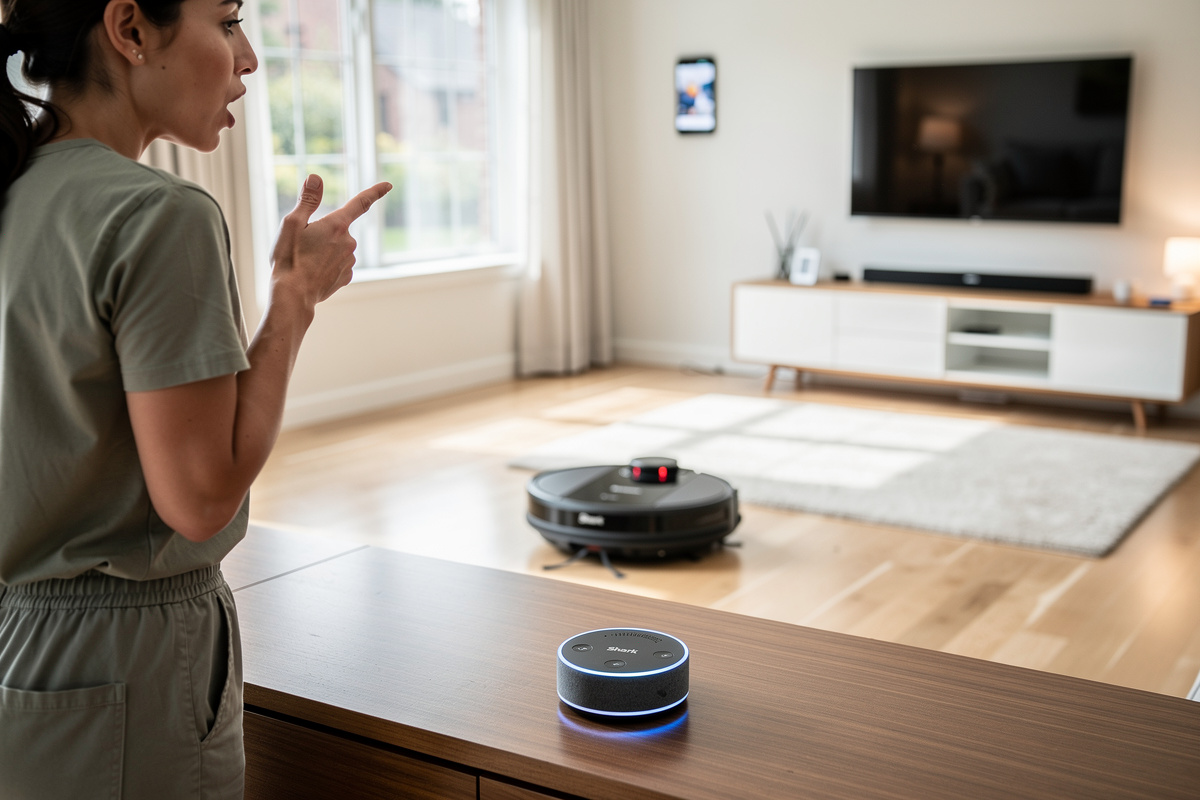
Smart home integration includes Alexa and Google Home voice control with basic start, stop, dock, and room-specific commands. Shark does not support Apple HomeKit or Matter protocol, which limits its appeal for Apple ecosystem households. For homes using Alexa or Google Home as the primary voice platform, Shark’s integration is fully functional for daily cleaning control.
Shark’s app does not receive feature-adding firmware updates as frequently as Roborock. Updates focus on stability and bug fixes rather than new capabilities. The robot you purchase performs essentially the same way throughout its lifespan — which provides predictability but means you do not benefit from post-purchase improvements. Integrate Shark robots with your existing home automations through Alexa routines for scheduling beyond the native app.
Shark Robot Vacuum Maintenance and Parts
Shark’s retail distribution creates a practical maintenance advantage. Replacement brushes, filters, and accessories are stocked at Walmart, Target, and Amazon with same-day or next-day availability. Compare this to Roborock parts that ship from online warehouses with 3 to 5 day delivery times, and the convenience difference matters when your robot needs a new brush mid-week and you want it running by tomorrow.
Shark’s self-cleaning brush roll reduces maintenance frequency but does not eliminate it. Check the brush end caps monthly for hair accumulation and clean the primary filter every 2 weeks by tapping it over a trash bin. Replace filters every 3 to 6 months and the brush roll assembly every 9 to 12 months. The total annual maintenance cost runs $30 to $50 for vacuum-only models and $50 to $80 for self-emptying models including bag replacements.
Shark offers a 1-year warranty on all robot vacuums with optional extended protection plans available at major retailers. The warranty process is straightforward — contact Shark support, receive a prepaid shipping label, and get a replacement within 7 to 10 business days. For in-store purchases, some retailers handle exchanges directly within the return window, which can resolve issues same-day.
Where Shark Fits in the Market
Shark occupies a specific niche in the current market: strong cleaning performance with self-emptying convenience at accessible prices, backed by easy retail returns and warranty service. It is the best choice for first-time robot vacuum buyers who want reliability without navigating the feature complexity of Roborock or paying Roomba’s brand premium.
For budget-conscious buyers upgrading from manual vacuuming, a Shark robot with self-emptying base at $300 to $350 delivers the core autonomous cleaning experience — daily hands-free floor maintenance, scheduled cleaning, voice control — without the $600+ investment that premium brands require for equivalent convenience. The cleaning results on hard floors and low-pile carpet are indistinguishable from robots costing twice as much.
Shark is not the best choice if you need advanced mopping capability (Shark’s mop attachments are basic passive-drag designs), Apple HomeKit support, or the most sophisticated navigation available. For comparison across the full market including advanced features, see the complete robot vacuum buyer guide. For a head-to-head between the two dominant brands, see the Roomba vs Roborock comparison.
Shark is the brand I recommend to family members who want a robot vacuum to work like an appliance — plug it in, press start, empty the base once a month — without navigating a learning curve. If that describes you, buy the Shark with the self-emptying base and skip the rest of the market research. The cleaning performance is solid, the support is accessible, and the price undercuts competitors by enough to cover two years of replacement filters. It is not the most exciting robot vacuum, but it is the one most likely to still be running on schedule six months after you unbox it.
Frequently Asked Questions
Are Shark robot vacuums any good?
Yes. Shark robots deliver strong cleaning performance with efficient suction motors and self-cleaning brush rolls. They compete well with Roomba and Roborock at lower prices. Navigation is simpler than premium competitors but cleaning results are comparable.
Is Shark better than Roomba?
Shark offers better value at lower prices with comparable cleaning performance and self-emptying convenience. Roomba provides better navigation on premium models, stronger brand support, and higher resale value. Choose based on budget and feature priorities.
Do Shark robot vacuums work with Alexa?
Yes. All Wi-Fi connected Shark robots work with Amazon Alexa and Google Home for voice-controlled cleaning. Commands include start, stop, dock, and room-specific cleaning on LiDAR-equipped models.
How long does a Shark robot vacuum last?
Shark robot vacuums last 3 to 5 years with regular maintenance. Replace brushes every 6 to 12 months, filters every 3 to 6 months, and batteries every 2 to 3 years. Shark’s retail availability makes replacement parts easy to find.
Does Shark make a robot vacuum and mop?
Shark offers some models with basic mopping attachments that use a passive damp cloth pad. The mopping performance is basic compared to Roborock’s vibrating or spinning mop systems. Shark is better suited for vacuuming-only needs.
Where can I buy Shark robot vacuums?
Shark robots are available at Amazon, Walmart, Target, Best Buy, Costco, and directly from SharkNinja.com. Retail availability and easy return policies are among Shark’s strongest advantages over online-only competitors.
Related Articles
- Best Robot Vacuum 2026: Complete Buyer Guide
- Roomba vs Roborock: Which Robot Vacuum Wins
- Best Robot Vacuum for Pet Hair: Tested and Compared
- Self-Emptying Robot Vacuum: Is It Worth the Upgrade
- Robot Vacuum and Mop Combo: Complete Buyer Guide