Smart Cameras for Predator Detection: Best Models for Backyard Coops
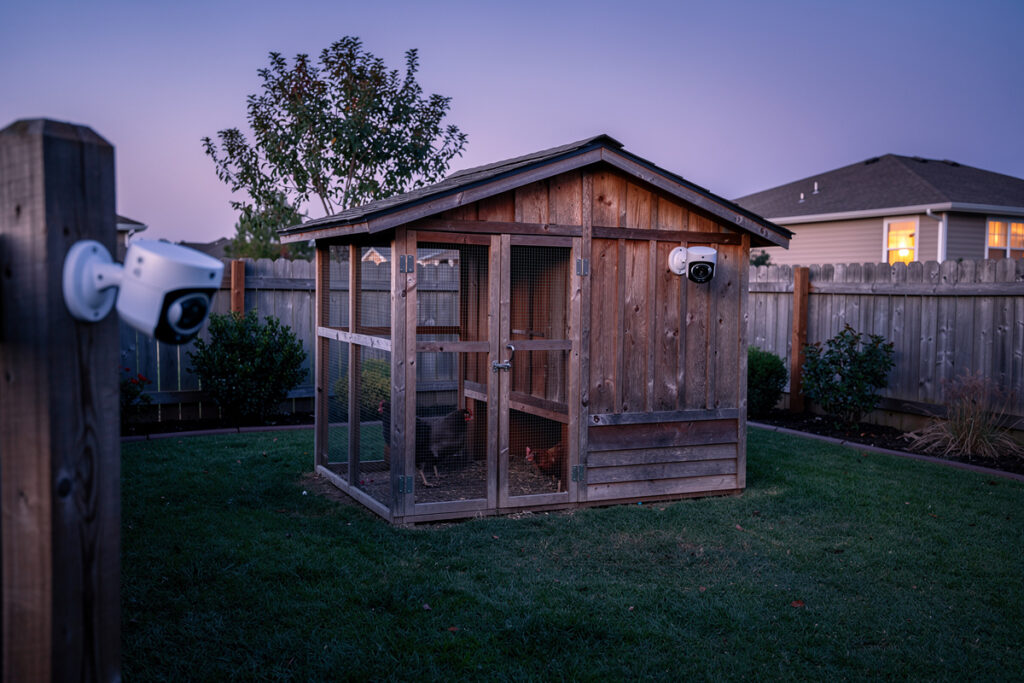
The best smart cameras for backyard chicken coops in 2026 are wired PoE units with AI animal detection and infrared night vision — specifically the Reolink RLC-823A, Amcrest ProHD IP2M-843EB, and UniFi G5 Bullet — because predator events happen in low light, last under 60 seconds, and require fast alerts to be actionable. Battery cameras and pure cloud cameras both tend to miss the fastest predator visits even when their daytime reviews look great, because the wake-from-sleep or cloud-processing delay eats the one or two seconds that matter most.
The smart-camera buyer’s market is dominated by general-purpose home-security products that were not designed for the specific failure modes of backyard livestock monitoring. This guide narrows the field to the cameras that actually meet predator-detection requirements, lays out how each one differs, and explains the placement, lighting, and detection settings that matter once the camera is in your hand.
Why Predator Detection Has Different Camera Requirements
A doorbell camera optimizes for face recognition at 4 ft in good light. A predator-detection camera has to identify a dark animal at 15-30 ft in IR-only conditions, fire an alert before the animal is gone, and keep working through 12 °F winter mornings and 100 °F summer afternoons. The three specs that matter are night-vision range (the distance at which a 1080p sensor can resolve animal-sized motion), AI object classification (so a cat does not wake you up at 3 AM every night), and alert latency from event to phone notification.
The cameras most likely to fail this brief are battery-only units (they sleep between events and miss the first 1-2 seconds), cloud-only systems with no local recording (latency adds 5-15 seconds), and visible-light “color night vision” units that need a porch light to function. None of those constraints come up in normal home-security reviews, which is why most “best smart camera” lists are wrong for coops.
The 7 Best Smart Cameras for Backyard Coops in 2026
1. Reolink RLC-823A — Best Overall
4K resolution, up to 190 ft of IR night vision per Reolink’s own spec sheet, person/vehicle/animal AI on the camera (no cloud subscription required), 5x optical zoom, and full ONVIF support so it integrates with any NVR or Home Assistant setup. PoE wired only. The 5x zoom matters more than the 4K — it lets one camera at the corner of the run watch both the pop door and the perimeter without dropping resolution on either zone.
2. Amcrest ProHD IP2M-843EB — Best Reliability Per Dollar
1080p, 98 ft IR range, on-camera smart motion detection (not full AI animal/person classification at this price point, so you tune motion zones tightly to compensate), weatherproof IP67, and PoE power. A budget-friendly step down in features from the Reolink and UniFi picks, but the optics and housing are genuinely competitive at this price. Note: Amcrest also sells an “AD410,” but that’s a Wi-Fi video doorbell, not a PoE bullet camera — don’t confuse the two when shopping.
3. UniFi G5 Bullet — Best for UniFi Households
4K, 60 ft IR range, native UniFi Protect integration, 12 fps continuous local recording with a Cloud Key Gen2 Plus or UniFi Protect appliance. $129. Only worth it if you already run UniFi networking — the system tax is real, but the timeline scrubbing and AI-trained alerts are best-in-class.
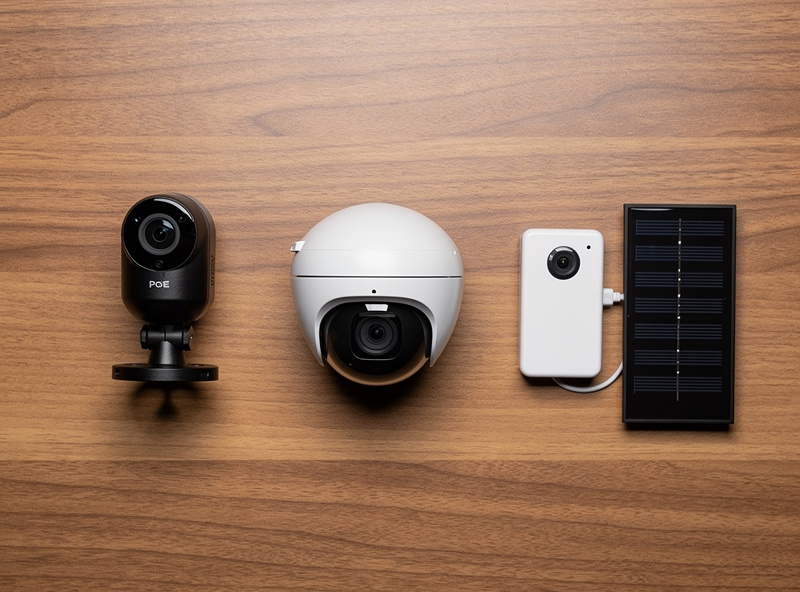
4. Reolink Argus 4 Pro — Best Wireless Option
The only wireless camera we recommend for predator-grade work. Dual-lens 4K, ColorX low-light sensor that genuinely produces colour at near-darkness, and a paired solar panel keeps the battery topped up. $200 with the solar panel. The trade-off vs PoE is the 1-2 second wake-up delay between motion start and recording start; for most predator events this is acceptable, for fast-moving raptors it is not.
5. Eufy SoloCam S340 — Best Local-First Cloud Alternative
Dual-lens, AI on-device, microSD recording with no required subscription, 8 GB local storage. $200. The S340 is the only major-brand wireless camera with truly optional cloud — set it up offline and it still works. Eufy’s privacy track record had a documented 2022 incident where “local only” cameras were found uploading data to the cloud without consent; current firmware is improved but worth verifying before purchase.
6. Wyze Cam OG — Best Budget Pick (with Caveats)
$30, 1080p, person detection on the basic free tier. The cheapest camera that works at all. Caveats: cloud-only motion alerts add 8-12 seconds of latency, weatherproof rating is borderline (use a small overhead awning), and the company has had outages that disabled cameras for hours. Acceptable as a secondary or learning camera; not the right primary for a flock you care about.
7. Annke C800 — Best Hardwired Budget
4K PoE, 100 ft IR, ONVIF, $80. Annke is less polished than Reolink in app experience but the optical hardware is genuinely competitive at this price. The right choice for keepers who plan to drive everything through Frigate or another open-source NVR and do not need the vendor app.
Camera Placement: The 4-Camera Layout for Most Backyard Coops
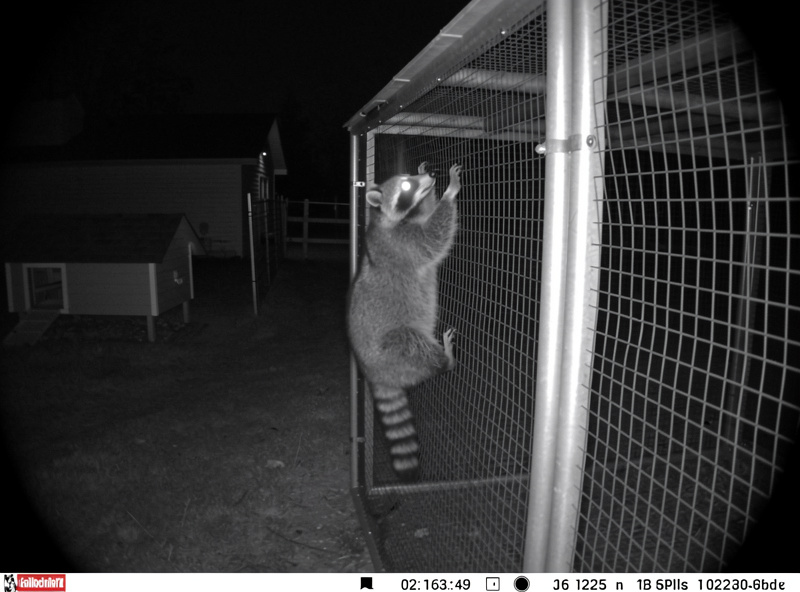
One camera is enough to confirm predator events; four cameras are enough to prevent them. The layout we recommend for any coop with more than 4 hens uses four 1080p cameras (or two 4K cameras with wide-angle lenses) covering the four named zones below.
Zone 1: Pop door and run entrance. The single highest-value angle. A camera at 8 ft height, 10-12 ft back, aimed at the pop door catches everything that approaches the run.
Zone 2: Run perimeter (long axis). A camera at one short end of the run looking down its length catches digging predators (foxes, dogs) and aerial visitors (hawks).
Zone 3: Coop interior. An indoor camera (the inexpensive Wyze v3 or Reolink E1 work fine indoors) watches the roost during overnight hours. Most weasel and rat incidents happen inside.
Zone 4: The “approach” — yard view toward the coop. A camera mounted on the house exterior facing the coop is your early-warning system. Detects the predator before it reaches the run.
Comparison Table
| Camera | Resolution | IR Range | AI Animal Detection | Power | Local Recording | Price |
|---|---|---|---|---|---|---|
| Reolink RLC-823A | 4K | 100 ft | Yes | PoE | microSD + NVR | $150-$170 |
| Amcrest ProHD IP2M-843EB | 1080p | 98 ft | Motion only | PoE | microSD + NVR | Budget |
| UniFi G5 Bullet | 4K | 60 ft | Yes (Protect) | PoE | UniFi Protect | $129 |
| Reolink Argus 4 Pro | 4K dual | 33 ft + ColorX | Yes | Battery + solar | microSD | $200 |
| Eufy SoloCam S340 | 3K dual | 33 ft | Yes | Battery + solar | microSD (no cloud needed) | $200 |
| Wyze Cam OG | 1080p | 25 ft | Person (free) | Wired AC | microSD | $30 |
| Annke C800 | 4K | 100 ft | Person only | PoE | microSD + NVR | $80 |
Detection Tuning: From “Notification Spam” to “Trustworthy Alert”
Buying the right camera is half the work. The other half is configuring the alert pipeline so it only fires for events worth waking up for. The settings that move the needle: tightly defined motion zones (perimeter and pop door only, not the whole frame), AI animal/person filters set to “animal” only, a 10-second debounce so a single fly-past does not trigger 12 alerts, and IR-light scheduling so the camera is at full sensitivity when it matters most.
For households already running Home Assistant, plug the camera’s RTSP stream into Frigate. Frigate’s Coral USB accelerator runs animal classification at 30+ inferences per second on a $60 add-on, and in my experience it cuts down noticeably on the false positives you get from camera-firmware AI alone. Either approach pairs with the SmartCoopHQ predator-proof chicken coop guide, which covers the physical defences (hardware cloth, automatic door schedules, predator-specific perimeters) that the camera is the alarm for. Cameras tell you the predator arrived; the physical defences are what keeps the flock alive once it does.
What About Doorbells and Floodlight Cameras?
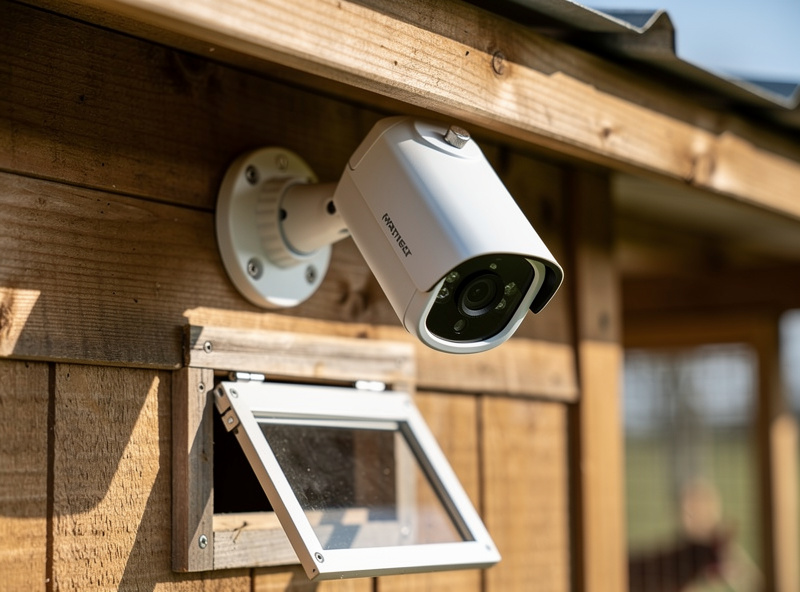
Smart doorbells (Ring, Nest Doorbell) are the wrong tool for coops — narrow field of view, optimized for face detection at 4 ft, no support for outdoor weatherproof junction boxes. Floodlight cameras (Ring Floodlight Cam, Eufy Floodlight) are interesting for the “coop approach” zone if you want active deterrence, but the visible light triggers and 200-lumen output make them too noisy for properties near neighbours. The boring answer — a $90-$170 PoE bullet camera — is the right answer 95% of the time.
For deeper context on the wider home-security camera landscape (cloud-vs-local debate, subscription comparison, Matter and HomeKit support), see the best smart security cameras 2026 buyer’s guide hub. Coop cameras are a specific subset of that broader category with their own constraints.
As an Amazon Associate I earn from qualifying purchases.
Frequently Asked Questions
What is the best smart camera for a backyard chicken coop?
The Reolink RLC-823A for most setups: 4K, 100 feet of IR night vision, on-camera AI animal detection, and ONVIF support so it works with any NVR or Home Assistant. Roughly 150 to 170 dollars and the most reliable single-camera predator-detection option in 2026.
Are battery cameras good enough for predator detection?
Mostly no. Battery cameras sleep between events and miss the first 1 to 2 seconds of recording, which is exactly when a fast predator like a hawk has already grabbed a hen. The Reolink Argus 4 Pro with the solar panel is the only wireless option we recommend, and even it is a compromise compared with PoE wired.
How many cameras does a chicken coop need?
One is enough to confirm predator events. Four covers the high-value angles for prevention: pop door, run long axis, coop interior, and yard approach. Most backyard keepers settle into a 2 or 3 camera setup that prioritizes the pop door and one long-axis run view.
Do I need a paid subscription to use these cameras?
No, if you choose the right camera. Reolink, Amcrest, Annke, and Eufy all support local microSD recording and on-camera AI without any subscription. UniFi requires a Cloud Key or NVR appliance one-time. Cloud-required brands like Ring and Nest Aware are an ongoing fee that adds little for coop use.
How far can a smart camera see at night?
With infrared illumination, 60 to 100 feet for the cameras in this guide. ColorX or Starlight color-night-vision adds usable colour up to about 30 feet at near-darkness. Beyond 100 feet you need either a higher-end PTZ camera or supplementary IR illuminators.
Where should I mount the coop camera?
8 feet high, 10 to 12 feet back from the pop door, aimed slightly downward. Under the coop eave or on a fence post both work. Avoid pointing the camera into the rising or setting sun (lens flare blinds detection) and keep the lens accessible for monthly cleaning.
Related Articles
- Best Smart Security Cameras 2026: Complete Buyer Guide
- Best Smart Cameras Without Monthly Subscription
- Best Smart Pet Feeders With Camera
- Smart Home VLAN Setup: Segment IoT Devices
- Best Smart Home Sensors 2026