Home Security System No Monthly Fee: Best Picks 2026
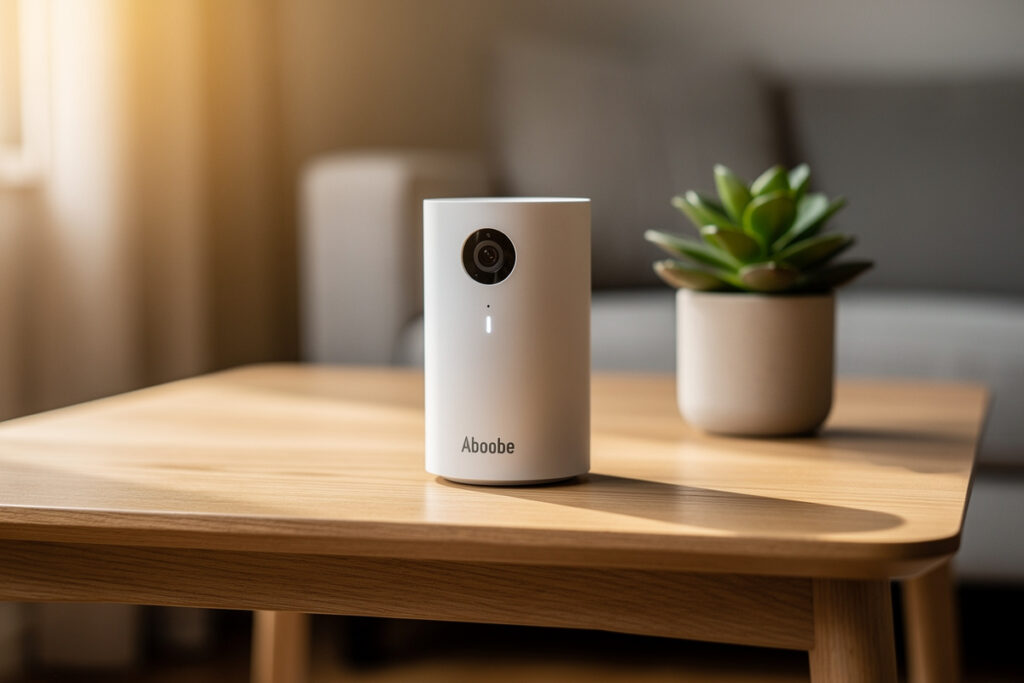
The best home security system with no monthly fee in 2026 is Abode Iota — $280 hardware, fully self-monitored at $0/month, with cellular backup as an optional add-on. Wyze Home Monitoring at $100 hardware is the cheapest entry but with weaker integration. SimpliSafe and Ring Alarm both work without monitoring as fallback siren systems, though you give up cellular backup and pro dispatch. Five legitimate $0/month options exist; choosing badly leaves you with no real protection.
As an Amazon Associate I earn from qualifying purchases.
This guide covers what actually works without a subscription, what you give up versus monitored systems, and the four scenarios where skipping monthly fees is genuinely the right call. For the broader landscape including pro-monitored options, see the smart home security systems hub.
What “No Monthly Fee” Actually Means
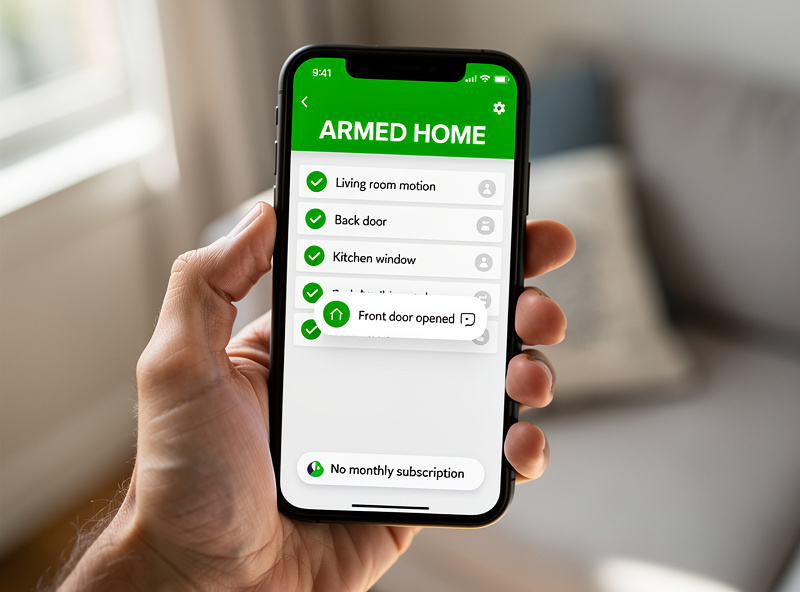
A no-fee security system means you bought the hardware once and pay nothing recurring. The system functions as: local siren when triggered, push notifications to your phone, sensor status visible in the app, and (for some) integration with your existing smart home. What you do not get: 24/7 professional monitoring, central station dispatch, cellular backup (on most plans), and the homeowners insurance discount.
This trade-off is real but not disqualifying. Self-monitored systems handle the core function — alerting you and making noise — for $0 recurring. The monitoring service is what dispatches police on your behalf and provides the verification step that insurance companies require for the discount. If you can reliably respond to phone alerts and your insurance discount math doesn’t pencil out, no-fee systems are a legitimate choice.
Top No-Fee Security Systems Compared
| System | Hardware Cost | $0 Mode Includes | Cellular Backup | Smart Home Hub |
|---|---|---|---|---|
| Abode Iota | $280 | Local siren, push alerts, 1080p camera, sensors, Z-Wave/Zigbee/Matter/HomeKit | $25/mo upgrade required | Yes (multi-protocol) |
| Wyze Home Monitoring | $100 | Local siren, push alerts, sensors | Limited / not standard | Wyze ecosystem only |
| SimpliSafe (no monitoring) | $250 | Local siren, push alerts, sensors | No (requires $20/mo plan) | None (Alexa voice only) |
| Ring Alarm (no monitoring) | $200 | Local siren, push alerts, sensors | No (requires Ring Protect Pro) | Z-Wave |
| Eufy Security Alarm | $180 | Local siren, push alerts, sensors, no cloud lock-in | No | Eufy ecosystem |
Three patterns matter. First, only Abode and Eufy were designed from the start as no-fee systems — SimpliSafe, Ring Alarm, and Wyze were designed for monitoring and just allow you to skip it. The “designed for no-fee” systems handle self-monitoring more gracefully (better push alerts, better app status views). Second, none of the no-fee tier systems include cellular backup at $0/month — every cellular backup option requires a paid tier. Third, Abode is the only system with multi-protocol smart home integration at the no-fee tier.
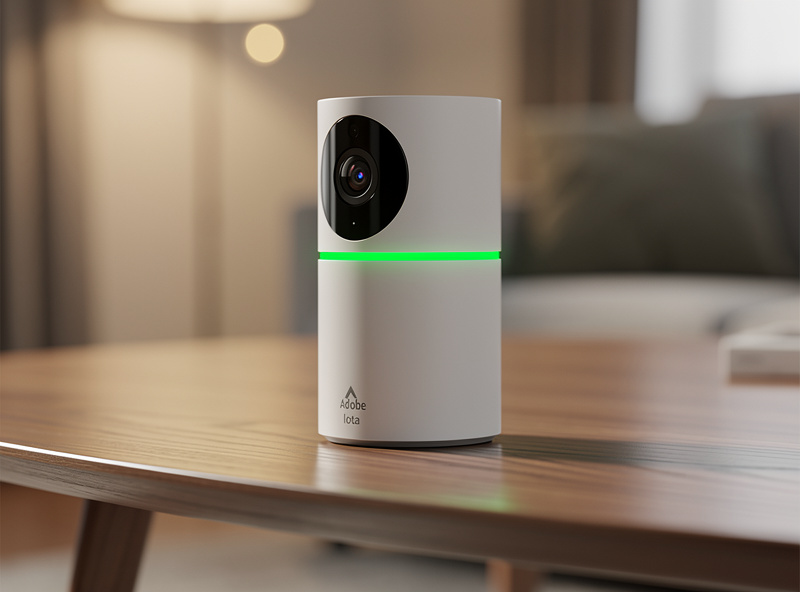
Why Abode Iota Wins for $0/Month
The Abode Iota is the all-in-one base station, 1080p indoor camera, motion sensor, and Z-Wave/Zigbee/Matter/HomeKit hub combined into a single $280 device. With an additional $20-$40 in door/window sensors, you have a complete self-monitored system. The integration with HomeKit, Matter, Alexa, and Google means it slots into any smart home ecosystem — the only no-fee system that does.
The compromise is cellular backup: at $0/month, you have no cellular fallback, so a cut Wi-Fi or power outage takes the system offline. Abode’s $25/month Pro plan adds cellular backup plus pro monitoring — but at that point you’re back to a paid subscription. For households that accept the cellular trade-off (most homes have reliable Wi-Fi and power), the Iota at $0/month is genuinely the best no-fee setup in the category.
Cheapest Entry: Wyze at $100
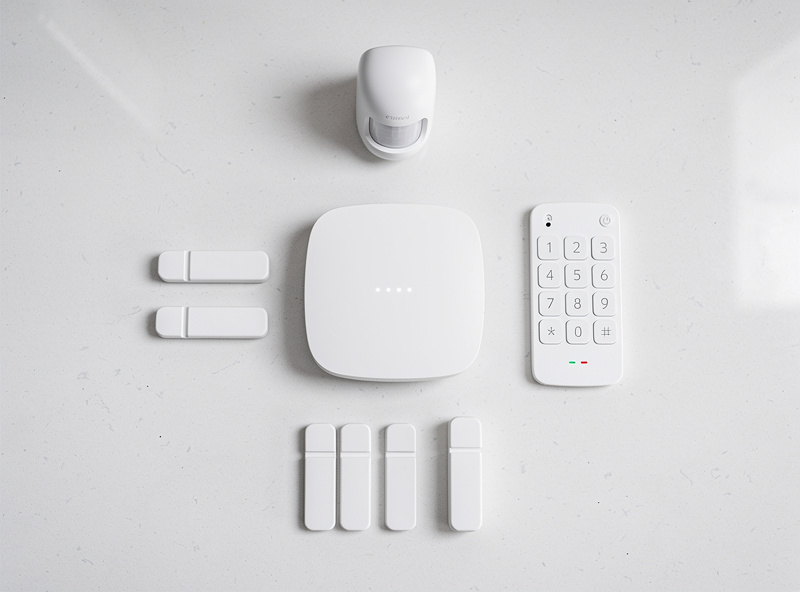
Wyze Home Monitoring at $100 includes the hub, keypad, two door/window sensors, and one motion sensor. Adding 2-3 more sensors brings the total to $120-$150. This is genuinely the lowest-cost name-brand security system in 2026 — half the price of any alternative.
Trade-offs are real: Wyze has a documented history of security incidents, including a 2019 data exposure and camera-feed mixups in 2023 and 2024 that briefly showed some users other customers’ thumbnails, the monitoring service is white-labeled through Noonlight, and smart home integration is Wyze-only (no Alexa-native arm/disarm, no Z-Wave). For starter systems on second properties, vacation homes, or budget setups where total spend matters most, Wyze is acceptable. For primary residences, the security incidents in their history make Abode the safer pick despite the higher cost.
Four Scenarios Where No-Fee Is the Right Call
Skipping monitoring is not always cheap-out — it can be the optimal choice. Four scenarios where $0/month actually makes sense.
Scenario 1: Apartments and Rentals
You live in an apartment building with controlled-entry, neighbors close enough to hear a 100dB siren, and no insurance discount available (renters insurance rarely offers monitored-system discounts). A no-fee system functions as deterrent + phone alert, which is what you actually need. Pro dispatch matters less when neighbors will respond first. For deeper renter-specific guidance, see the home security system for renters guide.
Scenario 2: Vacation Homes and Second Properties
The property is unoccupied 80%+ of the year. Pro monitoring at $20-$30/month adds up to $1,200-$1,800 over 5 years on a property nobody is in. A self-monitored system that pings you on your phone and triggers a local siren is sufficient — when you get an alert, you call the local police directly or your nearby property manager. The monitoring service adds little value for a vacant property versus an occupied home.
Scenario 3: Smart Home First, Security Second
You want sensors, automation routines, and smart home integration more than you want professional dispatch. Abode at $0/month with HomeKit/Matter integration delivers exactly this — your security sensors trigger Alexa routines, smart bulbs, and thermostats, and the alarm function is a side benefit rather than the core purpose. Buyers in this profile usually run Home Assistant or another smart home platform alongside.
Scenario 4: Cellular Backup Not Critical
Your home has reliable Wi-Fi (mesh router, fiber or strong cable internet) and power (no chronic outages). The cellular-backup-during-outage scenario is rare for your address. In this case, the $20-$30/month for cellular fallback delivers little practical value, and a Wi-Fi-only no-fee system covers 99% of real events. Households in apartments, condos, or modern suburbs with utility reliability often fit this profile.
What You Give Up Without Monitoring
Three things vanish when you skip monthly fees: cellular backup (Wi-Fi-only systems go dark during internet outages), professional dispatch (no central station calls police on your behalf — you do it), and the homeowners insurance discount (typically 5-20%, requires a monitoring certificate). For most households, only the third is a real financial consideration.
The insurance math is the most overlooked: a 10% discount on a $1,800 annual premium is $180/year. At $20/month for monitoring, you pay $240/year — meaning monitoring costs you a net $60/year ($240 – $180) versus zero. If your homeowners premium is $2,400+ and your insurer offers 15%+ discount with monitoring, the math flips and pro monitoring is actually cheaper than self-monitoring once insurance is factored in. Run your own numbers before deciding. The deeper monitoring vs self-monitoring framework is in the pro vs DIY monitoring guide.
Adding Cameras Without a Subscription
Cameras are the natural addition to any security system. The good news: most popular smart cameras work without a subscription for live view and basic motion alerts. The bad news: features like 30-day cloud storage, person-vs-pet AI, and rich notifications often gate behind monthly fees. The smart cameras without monthly subscription guide covers the camera-only options.
For full integration with your $0/month security system, pick cameras within the same ecosystem: Abode cameras for Abode systems, Wyze cameras for Wyze, etc. Cross-brand camera integration usually requires the paid tier of one or both products. For brand-agnostic camera picks, the broader best smart security cameras 2026 hub covers options. For privacy considerations, mandatory reading: indoor security camera privacy guide.
Easy Upgrade Path If You Change Your Mind
Every system in this guide allows you to add monthly monitoring later without replacing hardware. Abode upgrades to Pro at $25/month, SimpliSafe to Standard at $20/month, Ring Alarm to Ring Protect Pro at $20/month, Wyze to Pro Monitoring at $10/month. The decision to start no-fee is reversible — start at $0, evaluate your real usage patterns over 6-12 months, then upgrade if you decide you want pro dispatch.
This is the single biggest reason to start with a flexible system rather than committing to Vivint or ADT upfront. Five-year flexibility on monitoring costs hundreds versus thousands depending on your evolving needs. Compare the contract-bound options in the Vivint review and SimpliSafe vs Ring Alarm guide.
Verdict: When No-Fee Wins
No-fee security systems make genuine sense for renters, vacation homes, smart-home-first households, and homes with reliable Wi-Fi and power. The right pick within the no-fee tier is Abode Iota for $280, which delivers genuine multi-protocol smart home integration plus self-monitored security at $0/month — the only system in the category that does. Wyze is the budget pick at $100; everything else (SimpliSafe, Ring Alarm, Eufy without monitoring) functions but lacks the smart-home integration that makes the no-fee model genuinely appealing.
If I were choosing a no-monthly-fee security system for a primary residence today, I would pick Abode Iota at $280 — it costs more upfront than Wyze, but the Z-Wave/Zigbee/HomeKit support means you are not locked into a single vendor ecosystem, and the optional $7/month plan adds cellular backup if you change your mind later. The hardware pays for itself in 14 months versus a $20/month monitored system, and everything after that is free.
Frequently Asked Questions
Are there home security systems with no monthly fee?
Yes. Abode Iota at $280 hardware works fully without monthly fees, providing local siren, push alerts, 1080p built-in camera, sensors, and HomeKit/Matter/Z-Wave integration at $0/month. Wyze Home Monitoring at $100 is the cheapest option. SimpliSafe and Ring Alarm both function without monitoring as fallback siren systems too.
Is no-fee home security worth it?
Yes for renters, vacation homes, smart-home-first households, and homes with reliable Wi-Fi and power. No-fee systems handle local siren, push alerts, and sensor status — the core protective function. You give up cellular backup, professional dispatch, and insurance discounts. The trade-off is acceptable when those features add little value to your specific situation.
What is the best home security system without a subscription?
Abode Iota at $280 is the best $0/month system because it includes built-in camera, multi-protocol smart home hub (Z-Wave, Zigbee, Matter, HomeKit), and proper self-monitoring features. Wyze Home Monitoring at $100 is cheaper but with limited integration and a history of data breaches that make it less suitable for primary residences.
Will my insurance company give me a discount without monitoring?
Generally no. Most homeowners insurance discounts (5-20%) require a monitoring certificate from a third-party monitoring company as proof of professional dispatch capability. Self-monitored systems do not qualify. Some insurers offer smaller discounts (1-5%) for certified hardware alone, but the bigger discount requires monitoring.
Can I add monitoring later if I start with no-fee?
Yes on every major system. Abode allows upgrade to Pro at $25/month, SimpliSafe to Standard at $20/month, Ring Alarm to Ring Protect Pro at $20/month, Wyze to Pro at $10/month. No hardware replacement needed. Starting no-fee and upgrading later is the most flexible approach for new buyers.
Does a no-fee security system have cellular backup?
Generally no. Cellular backup typically requires the paid monitoring tier on every major DIY system. Without cellular, your no-fee system goes offline if Wi-Fi or power drops. For households with reliable utilities and Wi-Fi, this trade-off is acceptable. For households with frequent outages, cellular backup is worth the upgrade cost.
Do no-fee systems still call the police?
No, they call you. Self-monitored no-fee systems send push notifications to your phone when an alarm triggers, and you decide whether to call 911. Pro monitoring services do this on your behalf. The trade-off is real: if you cannot reliably respond to phone alerts (heavy sleeper, frequent traveler, no service in some areas), pro monitoring is worth the cost.
Related Articles
- Smart Home Security Systems 2026: DIY vs Professional Monitoring
- Professional vs DIY Home Security Monitoring
- SimpliSafe vs Ring Alarm: DIY System Comparison
- Smart Cameras Without Monthly Subscription
- Home Security Systems for Renters