Best Pet GPS Tracker Comparison (2026)

The best pet GPS tracker for most people is a cellular LTE-M model with real-time location and a geofence alert — budget roughly $5–15 a month for the plan and days-to-weeks of battery per charge — and yes, it needs a subscription, because live GPS over a cellular network is the one pet device you genuinely can’t run locally. This is the outdoor safety net, and the decision comes down to network type, battery life, and how fast it updates when your pet is actually lost.
I’ll be straight about this category, because it’s the exception to almost everything else I preach. A GPS tracker is not a local-control device — it lives on a cellular network and a manufacturer’s app by necessity, and the subscription is unavoidable for true GPS. So instead of fighting that, I judge trackers on the things that decide whether one is useful in the moment that matters: a pet over the fence and gone. Here’s how the real options compare, and which type fits which pet.
GPS vs Bluetooth: They Solve Different Problems
The first fork in the road is GPS versus Bluetooth, and confusing the two is the most common buying mistake. A true GPS tracker uses cellular and satellite positioning to show you exactly where your pet is, anywhere, in near real time — that’s what you want for a dog that bolts or a cat that roams a neighbourhood. A Bluetooth tracker (the AirTag-style tag) has no GPS at all; it only reports its location when it passes near someone else’s phone in the manufacturer’s finding network, which is great for a lost item but unreliable for a moving animal in a rural area.
For an indoor cat that occasionally slips out in a dense city, a Bluetooth tag on the collar can be enough and costs nothing to run. For an outdoor pet, a working dog, or anyone in a low-density area, you need real GPS with cellular — and that means a subscription. Be honest about which problem you’re solving before you spend, because a no-fee Bluetooth tag is useless the moment your dog is two fields away with no phones around.
Network Type Decides Everything
Among true GPS trackers, the cellular technology underneath drives battery life, coverage, and update speed. Most modern pet trackers use LTE-M or NB-IoT — low-power cellular bands designed for small battery devices — which is why a good tracker now lasts days or weeks per charge instead of hours. Older 3G trackers are effectively e-waste as networks sunset those bands, so check the radio before buying anything secondhand.
Coverage is the catch: a tracker is only as good as its cellular signal where your pet actually goes. If you’re rural, verify the tracker’s carrier covers your area before committing, because a dead zone is exactly where a pet gets lost. Update frequency matters too — a tracker that reports every few minutes to save battery is fine for casual tracking but agonizing during an actual escape, so look for a “live” or “lost” mode that switches to per-second updates on demand. That live mode drains the battery fast, which is the trade-off you accept for knowing where your pet is right now.
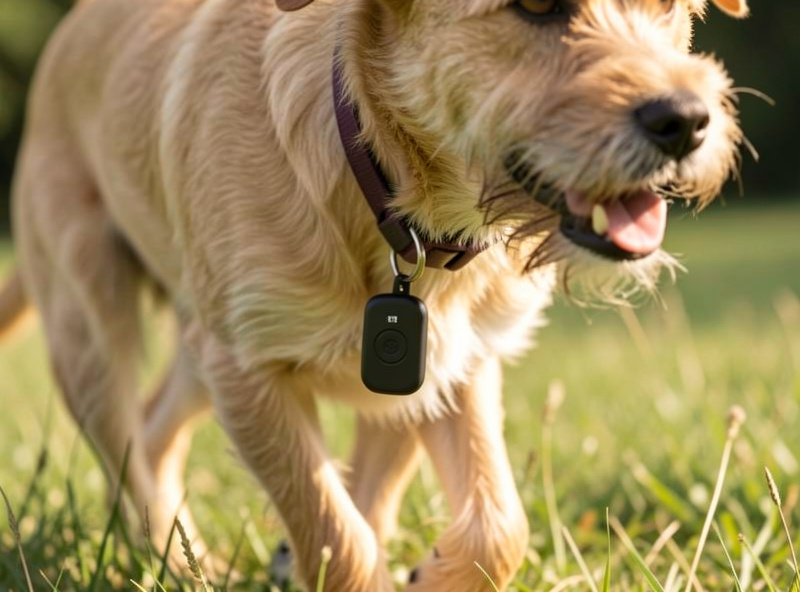
The Trackers Compared
Here’s how the main tracker categories stack up on the criteria that decide whether one is worth carrying on your pet’s collar every day.
| Tracker type | Real-time GPS | Subscription | Battery life | Best for |
|---|---|---|---|---|
| LTE-M cellular GPS | Yes, live | Required | Days to weeks | Dogs, roaming cats, rural |
| NB-IoT cellular GPS | Yes (slower update) | Required | Weeks | Low-power, casual tracking |
| Bluetooth finder tag | No (network only) | None | Months to a year | City cats, indoor pets |
| Old 3G GPS | Was, now failing | Required | Varies | Avoid — networks sunset |
Features That Actually Earn Their Keep
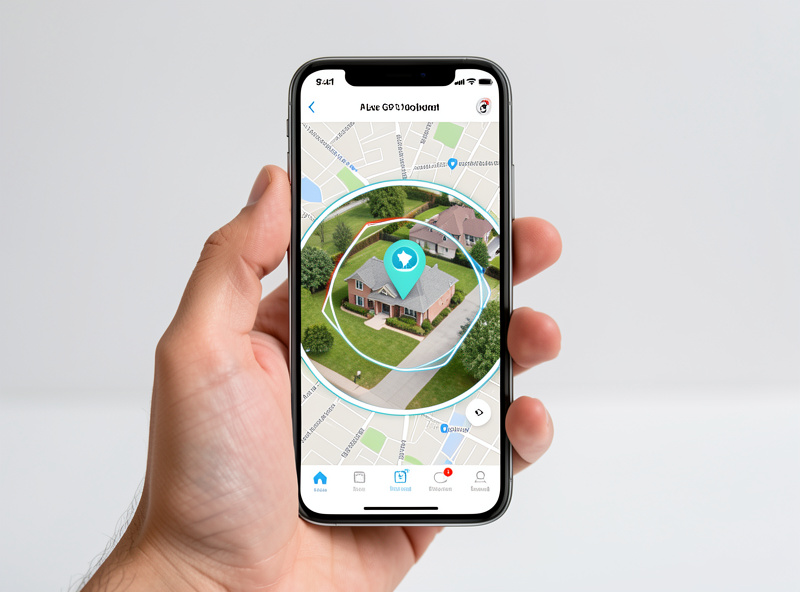
Beyond the network, a few features genuinely matter. A geofence — a virtual boundary around your home or yard — that alerts you the instant your pet crosses it is the single most useful function, because it turns a tracker from a “where did he go” tool into a “he’s leaving, act now” one. Waterproofing is non-negotiable for an outdoor pet; collars get rained on and dunked. And weight matters: a tracker fine for a Labrador is absurd on a cat, so match the device to the animal.
The features I’d treat as bonuses: activity and step tracking (fun, rarely decisive), “virtual fence” containment claims (a tracker tells you the pet left, it doesn’t stop them), and any health-monitoring claims, which I read with healthy skepticism. The job of a GPS tracker is location, fast and reliable. Everything else is a nice extra you shouldn’t pay a big premium for. For a containment-first approach to keeping a pet home in the first place, a microchip door with a curfew does more than any tracker.
Matching the Tracker to Your Pet’s Size
Weight is the spec people skip and regret. Most cellular GPS trackers weigh 25–35 grams once they are in the collar housing, and the rule of thumb I follow is that a collar accessory should stay under about 5% of the animal’s body weight. That makes a 30-gram tracker fine on a dog over roughly 5 kg, borderline on a small terrier, and genuinely too much for the average 4–5 kg cat — which is why most cat owners are better served by a sub-15-gram tag than a full GPS unit.
The fix when you do want real GPS on a smaller animal is a lighter dedicated cat tracker, usually 20 grams or under, paired with a breakaway collar so the device releases if it snags. I would rather a cat slip a tracker than hang on a fence by it. Match the device to the body before you fall for the feature list, because the most accurate tracker in the world is useless if your pet will not tolerate wearing it.
Where a Tracker Fits in a Smart Home
Because it’s cloud-and-cellular by nature, a GPS tracker sits at the edge of a local-first setup rather than inside it — and that’s fine, as long as you know it. Some trackers offer a webhook or integration that can poke your hub when a geofence triggers, which lets you tie “the dog left the yard” into a notification routine alongside everything else. But the core location service lives in the manufacturer’s app, and you depend on their servers and your cellular bill for it to work.
So I treat the tracker as a standalone safety device, not an integrated automation, and I don’t build anything load-bearing on it. It’s the backup for when the door, the fence, and good habits have failed and the pet is genuinely out. That clear-eyed framing — which devices are local-first and which are necessary exceptions — is the backbone of my whole pet automation guide. A tracker is one of the few exceptions worth making.
The Subscription Question, Honestly
Every true GPS tracker has a recurring fee, and pretending otherwise is how people end up with a dead tracker and a missing pet. The cellular data the device uses costs money, so the subscription is funding something real, unlike the subscriptions I rail against on cameras and feeders. What I do watch for: lock-in where the hardware bricks if you stop paying, and tiers that gate the live-update mode you actually need behind a premium plan. Read the plan before you buy the device.
My rule of thumb: pay for the subscription on a tracker you’ll genuinely rely on, and skip the GPS category entirely in favor of a free Bluetooth tag if your pet is functionally indoor. Don’t buy a cellular tracker and then cancel the plan to save money — a tracker without its subscription is a paperweight on your dog’s collar, and you’ll discover that at the worst possible moment.
Frequently Asked Questions
Do pet GPS trackers require a subscription?
True GPS trackers do, because they use a cellular network that costs money to run. That fee funds something real, unlike camera or feeder subscriptions. Bluetooth finder tags have no subscription but also no real GPS — they only report when near someone else’s phone.
What’s the difference between a GPS tracker and an AirTag-style tag?
A GPS tracker uses cellular and satellite positioning to show your pet’s exact location in near real time, anywhere. A Bluetooth tag has no GPS; it only updates when it passes a phone in the finding network. Trackers suit roaming pets; tags suit indoor pets in dense areas.
How long does a pet GPS tracker battery last?
Modern LTE-M and NB-IoT trackers last from several days to a few weeks per charge thanks to low-power cellular bands. Switching to a live per-second update mode during an escape drains it much faster, which is the trade-off for knowing the exact location right now.
Will a GPS tracker work in a rural area?
Only if the tracker’s cellular carrier covers your area. Coverage is the biggest rural limitation, and a dead zone is exactly where pets get lost. Verify the carrier’s coverage where your pet roams before buying, and avoid old 3G trackers as those networks are shutting down.
Can I connect a pet GPS tracker to Home Assistant?
Some offer a webhook or integration that can trigger your hub on a geofence event, useful for notifications. But the core location service runs in the manufacturer’s app and cloud, so treat the tracker as a standalone safety device rather than a fully local automation.
Related Guides
- Smart Home Pet Automation: The Local-First Guide
- Smart Microchip Pet Door Guide
- Best Automatic Pet Feeder for a Smart Home
- Smart Home Automation for Pets