Landlord-Friendly Smart Home Upgrades (2026)
The smart home upgrades worth taking to a landlord are the ones that protect or improve the property itself — a hardwired thermostat, leak detection with auto shutoff, a wired video doorbell. Frame them as building improvements that cut energy use and prevent water damage, offer to leave them behind, and most landlords say yes. Everything reversible you can just install; permission is only for changes that touch the building.
There’s a clean dividing line in a rental: reversible upgrades are yours to make and take with you, while permanent ones need a conversation. The trick is knowing which is which and how to pitch the permanent ones so the landlord sees value rather than risk. I’ll cover both, plus how to keep the deal clear. This sits alongside the smart home for renters guide, which covers the reversible layer in depth.
The reversible-versus-permanent dividing line
The test is simple: if removing the device leaves the apartment exactly as you found it, it’s reversible and yours to install freely. If it alters the building — new wiring, a replaced fixture, a drilled mount — it’s permanent and belongs in the landlord conversation. Roughly speaking, anything that plugs in or sticks on is reversible; anything an electrician would touch is not.
This matters because the two categories have completely different rules. You never need permission to plug in a smart plug or stick on a sensor. You always want permission — and ideally something in writing — before anything that changes the property, both out of courtesy and to protect your deposit. Sorting your wishlist into these two buckets first saves a lot of awkwardness.
Upgrades you don’t need to ask about
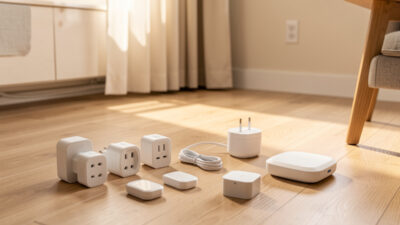
Before proposing anything permanent, remember how much you can do without asking at all. Plug-in smart plugs, adhesive battery sensors, smart bulbs in existing fixtures, retrofit locks that reuse the deadbolt, and plug-in or window-unit climate control are all reversible — install them today and take them when you go. For most renters this layer covers the large majority of what they wanted a “smart home” for.
That’s the whole argument of the renter-friendly smart devices guide: build everything you can from reversible parts first. A retrofit lock from the no-drill smart lock options guide, no-wiring lighting from the smart lights for apartment renters guide, and the energy savings in the smart home energy monitoring guide need no landlord sign-off. Only after you’ve maxed out the reversible layer is it worth proposing a permanent change.
Upgrades worth proposing to a landlord
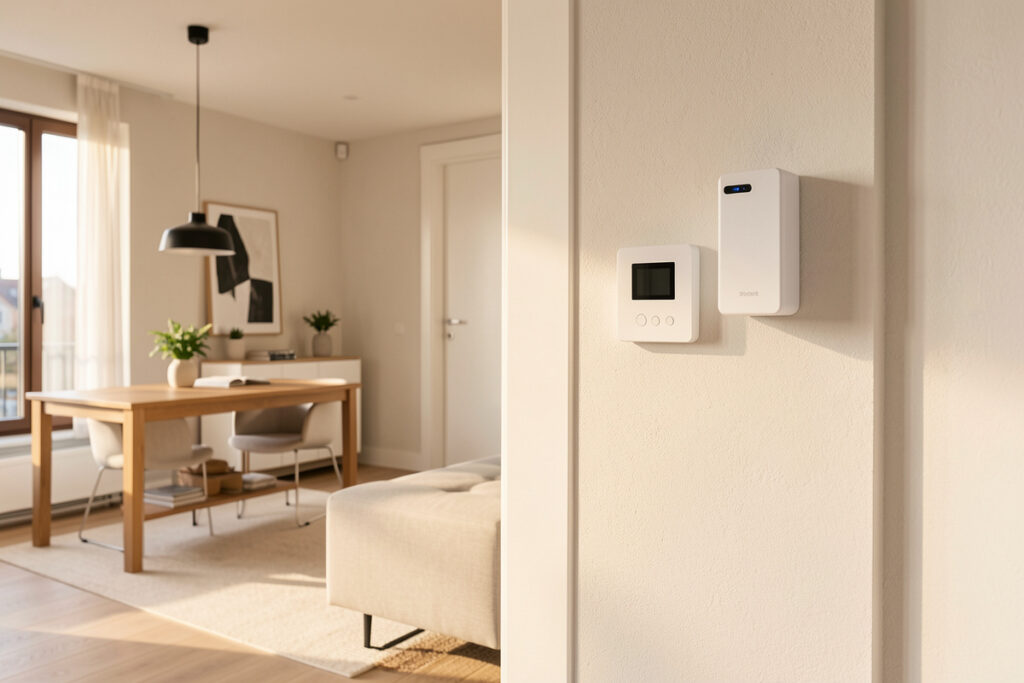
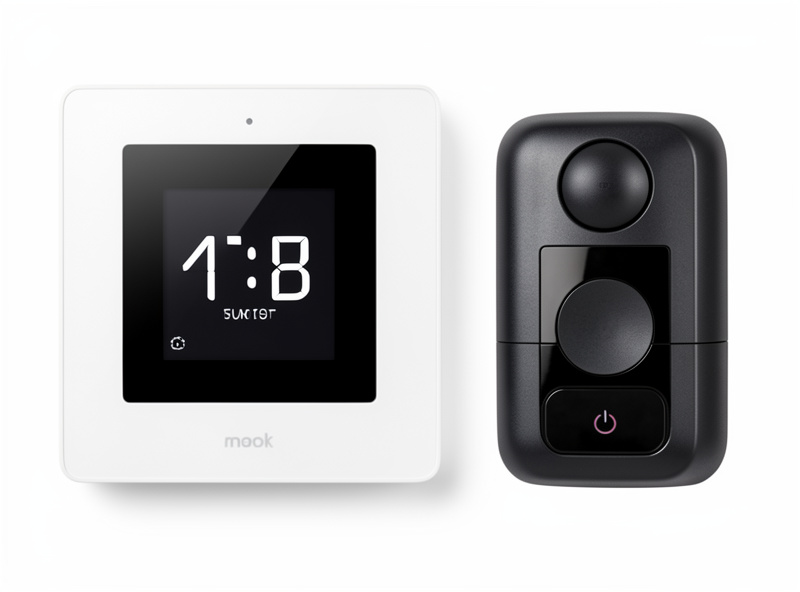
A few upgrades genuinely improve the property and are reasonable to propose. A hardwired smart thermostat cuts heating and cooling costs and appeals to the next tenant — though many apartments allow a reversible swap you handle yourself, covered in the smart thermostat for apartment guide. Leak detection with an automatic water shutoff valve is the strongest pitch of all, because a burst supply line is one of a landlord’s most expensive nightmares and the device prevents it.
A wired video doorbell improves security and package handling and adds resale and rental appeal. Hardwired in-wall smart switches are tidier than plug modules and stay with the unit. The pattern across all of these: they benefit the property and the landlord, not just you. That framing is what turns a “no” into a “sure, go ahead.” For the security angle specifically, the home security system for renters guide covers what you can do reversibly versus what’s worth proposing.
How to make the pitch
Lead with the landlord’s interest, not yours. “I’d like to install a leak sensor with an automatic shutoff under the kitchen sink at my own cost — it’ll cut off the water if a supply line fails, which protects the unit and the apartment below” is a far better opening than “I want to add smart home stuff.” Quantify the benefit where you honestly can: energy upgrades lower bills, leak detection prevents damage claims, security devices reduce break-in risk.
Offer to cover the cost and the professional installation, and offer to leave the device behind when you move — a landlord is far more likely to agree to an improvement they keep for free. Put the agreement in writing, even a short email confirming what’s approved and who owns it at move-out, so there’s no dispute about your deposit later. Clarity up front is what keeps a generous landlord generous.
Who owns it at move-out
Settle ownership before installation, not after. For a permanent upgrade you paid for and the landlord approved, the usual outcomes are: you leave it as a gift (good for goodwill and a clean exit), you remove it and restore the original (only if that’s truly reversible), or the landlord reimburses you for it. Any of these is fine as long as it’s agreed in writing beforehand.
For the reversible layer, ownership is never in question — it’s yours, it plugs out, it leaves with you. That’s exactly why I push renters to build as much as possible from reversible devices: there’s no negotiation, no ambiguity, and no risk to the deposit. Keep the permanent upgrades to the handful that genuinely improve the property, and keep them documented.
Reversible vs landlord-approved upgrades
This table sorts the common upgrades into what you can do freely and what needs a conversation — and who actually benefits, which is the key to a successful pitch.
| Upgrade | Reversible? | Needs permission? | Who benefits |
|---|---|---|---|
| Smart plugs & sensors | Yes | No | Tenant |
| Retrofit smart lock | Yes | No (courtesy note) | Tenant |
| Plug-in / window climate | Yes | No | Tenant |
| Hardwired smart thermostat | Sometimes | Yes | Both |
| Leak sensor + auto shutoff | Partly | Yes | Landlord mostly |
| Wired video doorbell | No | Yes | Both |
| In-wall smart switches | No | Yes | Property |
When the landlord says no
If a landlord turns down a permanent upgrade, you lose almost nothing — because nearly every smart-home goal has a reversible substitute. Want a hardwired thermostat and they say no? A plug-in or window-unit smart climate controller, or a reversible thermostat swap you undo at move-out, gets you presence-aware heating without touching the wiring. Refused a hole in the door frame for a wired video doorbell? A battery doorbell on an adhesive or no-drill mount covers the same ground.
The same goes right down the list: a retrofit deadbolt lock instead of a replaced lock, adhesive contact and motion sensors instead of wired security, smart plugs and bulbs instead of in-wall switches. In my own renting years I never once needed a landlord’s signature to get the automations I actually cared about — presence lighting, leak alerts, energy monitoring, and a logged front door all run on the reversible layer. The permanent upgrades are a nice-to-have, not the smart home itself.
So treat the pitch as optional upside, never a prerequisite. Build the reversible layer first, propose the one or two permanent upgrades that genuinely protect the property, and if the answer is no, shrug and stay reversible. You still end up with a smart home that is fully yours, leaves cleanly at move-out, and never put your deposit at risk to get there.
As an Amazon Associate I earn from qualifying purchases.
Frequently Asked Questions
What smart home upgrades can renters make without permission?
Anything reversible: plug-in smart plugs, adhesive battery sensors, smart bulbs in existing fixtures, retrofit locks that reuse the deadbolt, and plug-in or window-unit climate control. Because none of these alter the building, no permission is required, and they all leave with you when you move.
How do I convince my landlord to allow a smart home upgrade?
Lead with their interest. Frame the upgrade as a property improvement that cuts energy costs or prevents damage, offer to pay for it and the installation, and offer to leave it behind. A leak sensor with auto shutoff is the easiest yes because it prevents expensive water damage to the unit.
Will a landlord pay for smart home upgrades?
Sometimes, for upgrades that improve the property such as a smart thermostat, leak detection, or a video doorbell. Many landlords will at least split the cost or reimburse you if the device stays. Settle who pays and who owns it in writing before installing anything permanent.
Are smart thermostats allowed in apartments?
Often yes. Many apartments allow a reversible thermostat swap that the tenant handles and reverses at move-out, while a hardwired install is a permission conversation. Confirm the existing wiring is compatible and clear any permanent change with the landlord first.
Who owns a smart device after I move out of a rental?
Reversible devices are always yours and leave with you. For a permanent upgrade you paid for and the landlord approved, agree beforehand whether you leave it as a gift, remove and restore the original, or get reimbursed. Put that agreement in writing to protect your deposit.
What is the best smart upgrade to propose to a landlord?
Leak detection with an automatic water shutoff valve. A failed supply line is one of a landlord’s most expensive risks, the device directly prevents it, and it benefits the property far more than the tenant, which makes it the easiest permanent upgrade to get approved.