Smart Window Sensors — Security and Climate Control (2026)

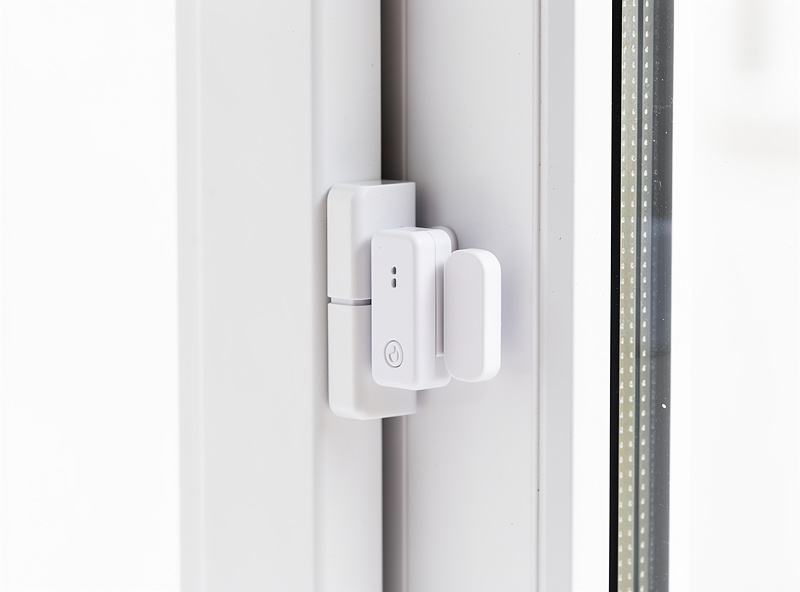
Why Smart Window Sensors Are Essential in 2026
An open window while your HVAC runs wastes roughly $50 per month in lost conditioned air — and most homeowners do not notice until the energy bill arrives. Smart window sensors use magnetic reed switches to detect open and close states instantly, triggering automations that pause your AC or send a phone alert. At $13-20 per sensor with 3-5 year battery life, payback takes under two months.
In 2026, smart window sensors represent one of the most cost-effective ways to upgrade your home’s intelligence. Whether you’re concerned about break-ins, want to reduce energy bills, or simply need to monitor windows in hard-to-reach places, these sensors deliver exceptional value for their modest price point.
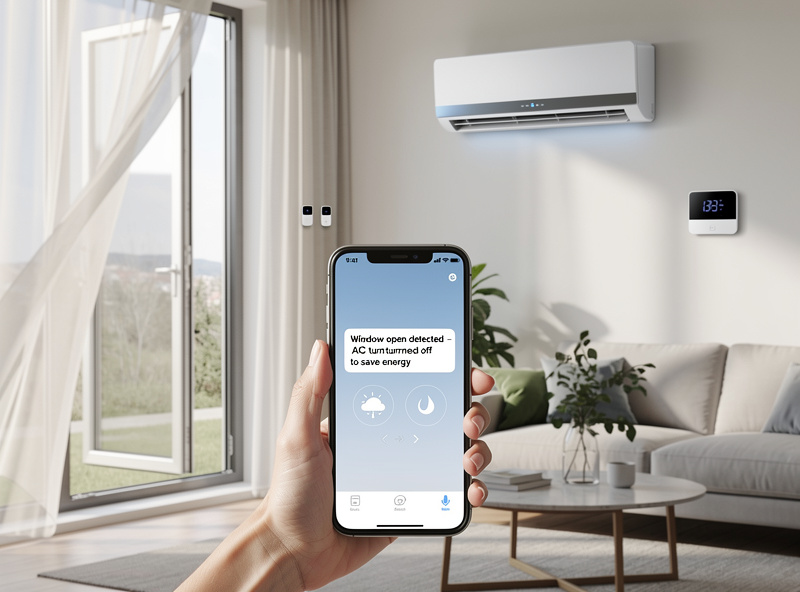
How Smart Window Sensors Work
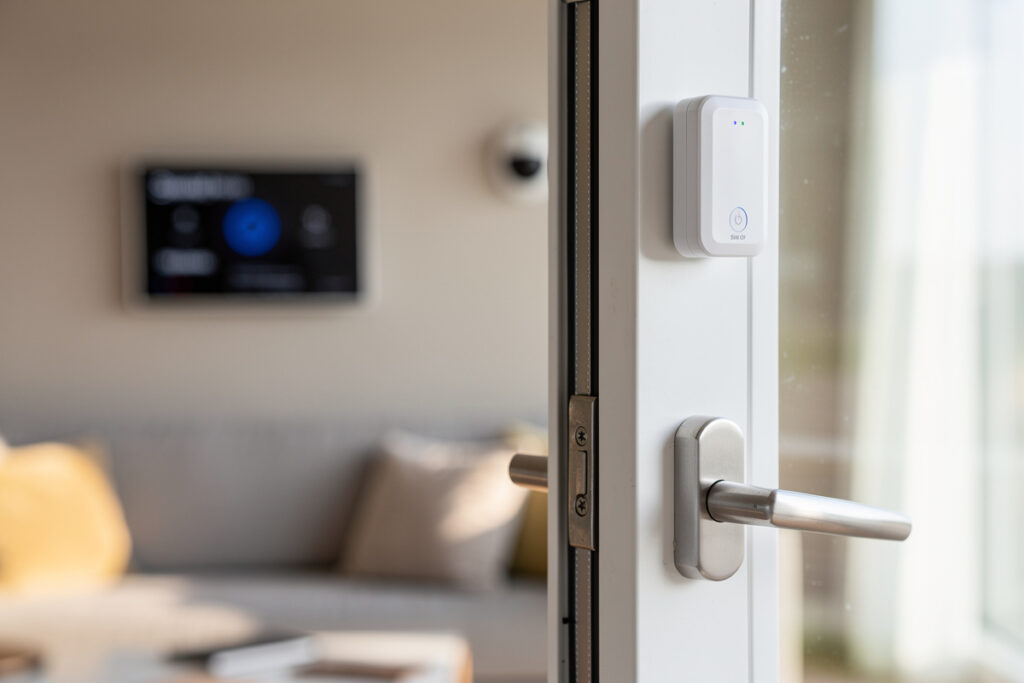
Smart window sensors operate using magnetic field detection technology. Each sensor consists of two parts: a main sensor unit and a smaller magnet. When the window closes, the magnet aligns with the sensor, creating a closed circuit. When the window opens and the magnet moves away, the sensor detects the break in the magnetic field and sends a signal to your smart home hub.
Modern sensors communicate via protocols like Zigbee, Z-Wave, or Wi-Fi, transmitting data to your home automation system within milliseconds. Advanced models include temperature monitoring capabilities, allowing them to serve dual purposes as both entry and climate sensors.
Top Smart Window Sensors of 2026
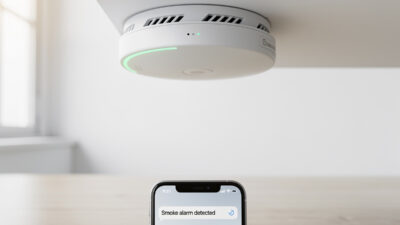
Choose sensors that integrate with your existing smart home ecosystem. Smoke detectors and window sensors together provide comprehensive home monitoring.
Ring Alarm Contact Sensor
Ring Alarm Contact Sensor remains a popular choice for homeowners invested in the Ring ecosystem. This Zigbee-based sensor offers reliable performance with impressive battery life up to 3 years. The slim design fits most window frames without being obtrusive, and integration with Ring Alarm enables instant smartphone notifications and professional monitoring options.
Aqara Door/Window Sensor
Aqara Door/Window Sensor delivers exceptional value with its compact design and Thread/Zigbee compatibility. At under $15 per sensor, Aqara makes it affordable to monitor every window in your home. The sensor’s ultra-low power consumption provides up to 2 years of battery life, and seamless integration with Apple HomeKit, Google Home, and Amazon Alexa ensures broad compatibility.
Samsung SmartThings Multipurpose Sensor
Samsung SmartThings Multipurpose Sensor goes beyond simple open/close detection. This versatile device includes a built-in accelerometer that can detect vibrations and impacts, temperature monitoring for climate control, and a 3-axis sensor for orientation tracking. It’s ideal for windows where you want comprehensive monitoring beyond just entry detection.
Smart Window Sensor Comparison
| Product | Protocol | Battery Life | Special Features | Price Range |
|---|---|---|---|---|
| Ring Contact Sensor | Zigbee | 3 years | Professional monitoring integration | $19.99 |
| Aqara Door/Window Sensor | Thread/Zigbee | 2 years | Ultra-compact, HomeKit certified | $12.99 |
| SmartThings Multipurpose | Zigbee | 18 months | Temperature, vibration, orientation | $24.99 |
| Philips Hue Secure | Zigbee | 2 years | Light integration, tamper detection | $29.99 |
| Eve Door & Window | Thread | 1.5 years | Apple HomeKit exclusive, privacy-focused | $39.95 |
Security Applications
Smart window sensors form the backbone of any comprehensive home security system. When armed, these sensors trigger immediate alerts the moment a window opens unexpectedly. Modern systems can distinguish between authorized openings (like when you unlock the window yourself) and suspicious activity through geofencing and smartphone presence detection.
Advanced automation allows you to create sophisticated security responses. For example, opening a window at night could automatically turn on outdoor floodlights, activate indoor cameras, and sound an alert chime. Integration with smart locks enables scenarios where an open window prevents the security system from fully arming, ensuring you’re never accidentally vulnerable.
Climate Control Integration
Beyond security, smart window sensors excel at energy management. See our complete guide to the best smart home sensors of 2026 for a full sensor network comparison. The most popular automation pairs window sensors with smart thermostats: when a window opens, your HVAC system automatically pauses to prevent heating or cooling the outdoors. This simple automation can reduce energy bills by 10-15% annually.
Sophisticated climate automations include:
- Automatically closing smart blinds when windows open during hot weather
- Triggering exhaust fans when bathroom or kitchen windows open
- Adjusting dehumidifier settings based on multiple window sensors
- Sending notifications if windows remain open when rain is forecast
- Coordinating with air purifiers to boost filtration when outdoor air enters
Installation Best Practices
Installing smart window sensors requires attention to detail for optimal performance. First, clean the mounting surface thoroughly with rubbing alcohol to ensure strong adhesive bonding. Position the sensor and magnet within 0.5 inches of each other when the window is closed—most sensors have a maximum detection gap of 1 inch, but closer is always better.
Consider sensor placement carefully. For sliding windows, mount sensors on the non-moving portion to avoid wire stress (for wired models) or maintain consistent positioning. Casement and awning windows require sensors that can handle the unique opening angles—some specialized mounting brackets are available for these window types.
Battery life varies significantly based on how frequently the window opens. High-traffic windows like kitchen or living room sliders will drain batteries faster than bedroom windows. Plan for annual battery checks, and choose sensors with low-battery notifications to avoid unexpected failures.
Advanced Automation Ideas
Smart window sensors unlock creative automation possibilities beyond basic security and climate control:
Ventilation Management: Create “fresh air mode” automations that turn off air purifiers and adjust thermostat setbacks when multiple windows open, maximizing natural ventilation while maintaining comfort.
Child Safety Monitoring: Configure instant notifications when children’s bedroom windows open unexpectedly, with integration to smart speakers announcing “Window open in child’s room” throughout the house.
Vacation Simulation: Use window sensor data to create realistic occupancy patterns. When you’re away, random window openings (simulated through smart locks or blinds) combined with sensor feedback create the impression of an active home.
Maintenance Reminders: Track how often each window opens to schedule maintenance. Windows that rarely open may need lubrication, while frequently used windows might require weatherstripping replacement.
Integration with Smart Home Platforms
Smart window sensors work best when integrated into comprehensive smart home ecosystems. Amazon Alexa users can create routines triggered by sensor states, such as announcing “Window opened” or adjusting Echo Show displays to show camera feeds. Google Home integration enables similar voice announcements and Home/Away automation triggers.
HomeKit users benefit from Eve and Aqara sensors that support Thread networking, providing faster response times and improved reliability. SmartThings owners enjoy the advanced capabilities of Samsung’s multipurpose sensors, including custom device handlers for specialized automations.
Hubitat and Home Assistant enthusiasts appreciate the flexibility of Zigbee and Z-Wave sensors, which allow local processing without cloud dependency. These platforms enable complex rule-based automations impossible with consumer-oriented systems.
Cost-Benefit Analysis
Investing in smart window sensors delivers measurable returns. A complete home installation monitoring 15-20 windows costs between $200-400 depending on sensor choice. Energy savings from automated HVAC control typically recover this investment within 2-3 years, while security benefits provide invaluable peace of mind.
Insurance discounts may be available for homes with monitored security systems including window sensors. Many providers offer 5-20% reductions on premiums for homes with professional monitoring, making sensors even more cost-effective.
Future Trends
The next generation of smart window sensors will incorporate AI-powered pattern recognition to distinguish between normal use and potential threats. Vibration analysis will detect attempted forced entry before windows actually open. Solar-powered options will eliminate battery replacements entirely, using ambient light to maintain continuous operation.
Integration with smart glass technology will enable windows that automatically tint when sensors detect excessive heat gain, creating fully autonomous climate control without manual intervention. These innovations will make smart window sensors even more indispensable for modern homes.
Frequently Asked Questions
Can smart window sensors work without a hub?
Some Wi-Fi enabled sensors like the Ring Contact Sensor can operate independently with direct smartphone notifications. However, for advanced automations and integration with other smart devices, a hub or compatible smart home platform is recommended.
How do smart window sensors handle false alarms?
Quality sensors include magnetic hysteresis to prevent false triggering from minor vibrations. You can also configure automation delays, for example only alert if window stays open for 30 seconds, and geofencing to distinguish between authorized and unauthorized openings.
Can I install smart window sensors on sliding glass doors?
Absolutely. Most door and window sensors work perfectly on sliding doors. Choose sensors with extended range capability up to 2-inch gap detection for thicker door frames. Some manufacturers offer specialized mounting kits for patio doors.
Do smart window sensors work during power outages?
Battery-powered Zigbee and Z-Wave sensors continue operating during power failures, maintaining security monitoring. However, Wi-Fi sensors and any cloud-dependent notifications will be interrupted unless you have battery backup for your router and hub.
What is the difference between door and window sensors?
Functionally, they are identical, both detect open and close states using magnetic fields. The designation usually refers to size and mounting hardware. Door sensors may include larger magnets for bigger gaps, while window sensors often feature slimmer profiles for discreet installation on window frames.
Related Articles
- Smart Door Sensors with Phone Notifications (2026)
- Smart Humidity Sensor for Basement — Prevent Mold (2026)
- How to Set Up a Smart Home Energy Dashboard (2026)
- Best Smart Motion Sensor Lights
- Zigbee vs Z-Wave vs WiFi
Ready to upgrade your windows? Start with high-traffic areas and entry points, then expand your sensor network as your budget allows. The combination of enhanced security and energy savings makes smart window sensors one of the smartest investments for any connected home.