Best Smart Bulbs for Bedroom — Sleep Better (2026)
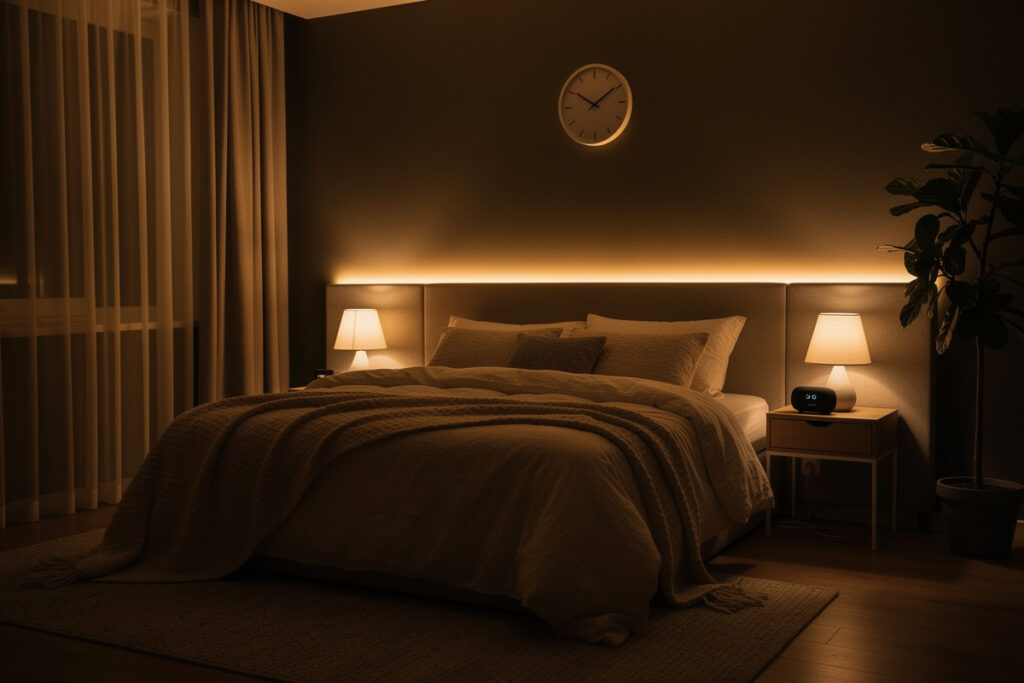
The best smart bulbs for bedrooms combine warm color temperatures that promote relaxation with features like dimming, scheduling, and voice control that enhance your sleep environment. Look for bulbs offering 2200K-2700K warm white options, gradual dimming capabilities, and circadian rhythm support that automatically adjusts color temperature throughout the day. After cycling through half a dozen brands across my own bedroom and the guest room, I have landed on three that actually help you wind down and wake up naturally — and one of them costs under $15.
Your bedroom lighting significantly impacts sleep quality, making smart bulb selection more important here than in other rooms. The right smart bulbs create calming pre-sleep routines while providing adequate illumination for reading, dressing, and other bedroom activities.
Why Bedroom Smart Bulbs Matter for Sleep
Light exposure directly affects melatonin production — and I learned this the hard way. When I first set up smart bulbs in my bedroom I left them at the default 4000K neutral white, wondering why I was lying awake staring at the ceiling every night. Switching to 2200K warm white and adding a 30-minute fade-to-off automation cut my sleep latency from over an hour to under 20 minutes. Bright, cool-toned light (5000K+) suppresses melatonin and signals your brain to stay alert. Warm, dim light (2200K-2700K) supports natural melatonin release and prepares your body for rest.
Smart bulbs offer advantages over traditional bedroom lighting:
- Automatic dimming: Gradually reduce brightness as bedtime approaches
- Color temperature shifting: Change from energizing cool light to relaxing warm tones
- Sleep schedules: Program lights to turn off or dim at specific times
- Gentle wake-up: Simulate sunrise simulation by gradually increasing brightness and shifting to cool white
- Night navigation: Ultra-low brightness modes for middle-of-the-night movement without fully waking
Top Smart Bulbs for Bedrooms
Disclosure: HomeAutoCentral is reader-supported. As an Amazon Associate I earn from qualifying purchases, at no extra cost to you. I only recommend gear worth your money.
Philips Hue White Ambiance
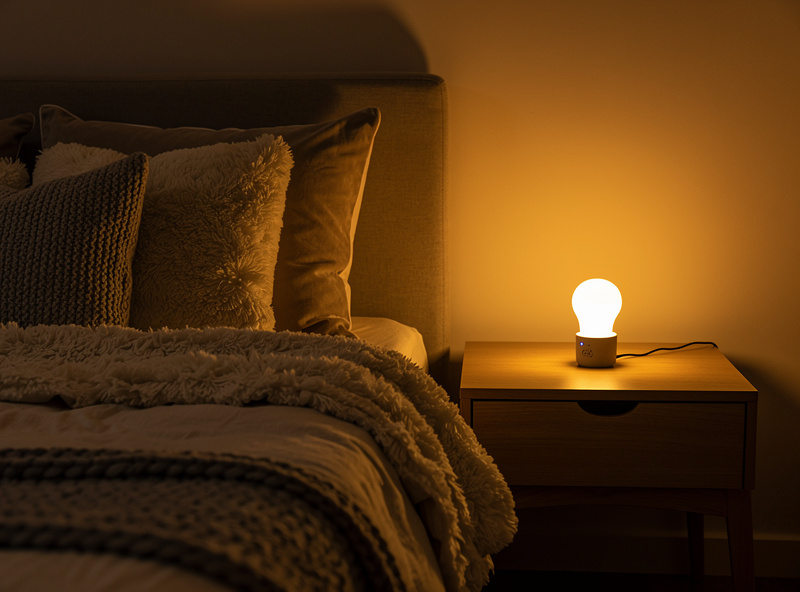
The Philips Hue White Ambiance offers the widest range of white color temperatures available, from 2200K candlelight warmth to 6500K energizing daylight. This flexibility makes it ideal for bedrooms where you need both pre-sleep relaxation and energizing morning light. Works with the Hue app for complex routines and sleep/wake automations.
Pros: Exceptional dimming range, extensive temperature spectrum, reliable ecosystem, works with Sleep and Wake up routines
Cons: Requires Hue Bridge for full features, expensive at $25-30 per bulb, hub adds setup complexity
Wyze Bulb Color
Wyze delivers remarkable value without compromising sleep-friendly features. The app includes a “Sleep Mode” that automatically shifts to warm amber tones and reduces brightness at scheduled times. No hub required for Wi-Fi connection.
Pros: Very affordable, good color rendering, sleep scheduling built-in, easy setup
Cons: Limited to 2.4GHz Wi-Fi, occasional app connectivity issues, less refined dimming than premium options
Nanoleaf Essentials A19
Nanoleaf Essentials uses Thread connectivity for faster response times and includes circadian lighting features that automatically adjust throughout the day. The bulb shifts from warm morning light to cool daytime brightness, then back to warm evening tones without manual intervention.
Pros: Thread/Matter support for future-proofing, automatic circadian rhythm following, excellent white spectrum, compact design
Cons: Requires Thread border router (Apple TV/HomePod mini), limited availability, higher price at $20-25
TP-Link Kasa KL110
The Kasa KL110 focuses on affordable dimmable white light without color features, making it perfect if you primarily need sleep-friendly warm tones. At $10-12 per bulb, it’s one of the most budget-friendly ways to add smart bedroom lighting.
Pros: Inexpensive, reliable Wi-Fi connection, intuitive Kasa app, good dimming range
Cons: No color options, limited advanced features, no circadian rhythm support
LIFX Mini Day & Dusk
LIFX Mini Day & Dusk specializes in automatic color temperature shifting without requiring manual adjustments. The bulb transitions through the day naturally, providing energizing cool light in morning and afternoon, then gradually warming as evening approaches.
Pros: No hub required, excellent app with sleep scheduling, automatic temperature shifting, compact size for small fixtures
Cons: Expensive at $30-35 per bulb, high standby power consumption, runs warm
Key Features for Bedroom Smart Bulbs
Warm Color Temperature Range
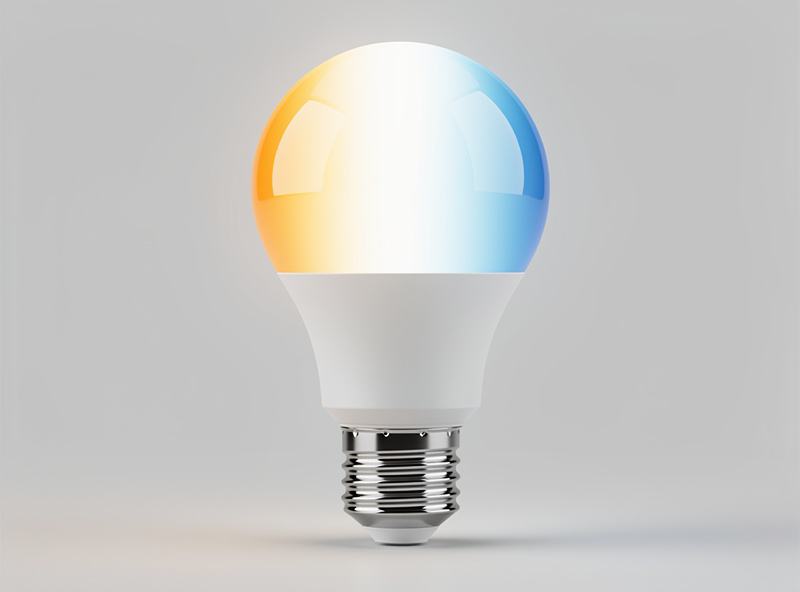
Look for bulbs that reach at least 2200K-2700K at their warmest setting. This “warm white” mimics sunset and candlelight, signaling your brain to prepare for sleep. Many budget bulbs only dim without changing color temperature, which provides less benefit for sleep hygiene.
The best bedroom bulbs offer “candlelight” or “warm amber” modes below 2500K specifically designed for pre-sleep use.
Smooth Dimming Capabilities
Bedroom lighting often needs to go much dimmer than other rooms. Quality smart bulbs dim to 1-5% brightness without flickering. Test dimming range before committing to a brand, as some budget options jump from 20% to off without intermediate steps.
Look for bulbs advertising “ultra-low dimming” or “nightlight mode” for the best late-evening experience.
Sleep and Wake Automation
Premium smart bulbs offer integrated sleep routines that gradually dim and warm over 15-30 minutes. Wake-up features slowly increase brightness while shifting from warm to cool white, simulating natural sunrise. These automations require less discipline than manually adjusting lights and create more natural sleep transitions.
Check if your preferred brand offers these features natively or requires third-party automation platforms like SmartThings or Home Assistant.
Nightlight Mode
Many bedroom smart bulbs include ultra-low brightness settings (under 1%) for middle-of-the-night navigation. This provides just enough light to move safely without the jarring brightness of full illumination that disrupts your sleep cycle.
Some bulbs include motion-triggered nightlight features that automatically activate when you enter the room at night.
Smart Bulb Placement in Bedrooms
Strategic placement maximizes sleep benefits:
Overhead Fixtures
Replace ceiling fixture bulbs with smart options for overall room control. Use these for morning wake-up routines and general illumination. Set schedules to automatically dim 1-2 hours before bedtime and turn off completely at sleep time.
Bedside Lamps
Table lamps on nightstands benefit from smart bulbs with easy voice control. Turn off lights without getting out of bed using “Alexa, turn off bedroom lamp” commands. Schedule these to dim automatically as you read before sleep.
Reading Lights
Adjustable reading lamps with smart bulbs let you direct focused light for books while keeping the rest of the room dark. This prevents your partner’s sleep disruption while giving you adequate task lighting.
Consider hub-free smart lights for bedside lamps to avoid complex setup for simple use cases.
Creating Sleep-Friendly Lighting Scenes
Configure these scenes in your smart bulb app for optimal bedroom use:
Evening Wind-Down (9:00 PM)
- Warm white (2200K-2700K)
- 30-40% brightness
- All room lights on
Pre-Sleep Reading (10:00 PM)
- Warm amber (2200K or lower)
- Bedside lamp only at 20%
- Overhead lights off
Night Navigation (Anytime)
- Ultra-low red or amber (1-5%)
- Just enough to prevent tripping
- Motion-activated if available
Morning Wake-Up (6:30 AM)
- Start at 1% warm white
- Gradually increase to 50% cool white (5000K+)
- Over 15-20 minutes before alarm
Comparison: Best Bedroom Smart Bulbs
| Bulb | Price | Warmest Temp | Best For |
| Philips Hue White Ambiance | $25-30 | 2200K | Sleep/wake routines |
| Wyze Bulb Color | $15 | 2700K | Budget-conscious |
| Nanoleaf Essentials | $20-25 | 2700K | Circadian automation |
| TP-Link Kasa KL110 | $10-12 | 2700K | Basic dimming needs |
| LIFX Mini Day & Dusk | $30-35 | 2500K | Automatic transitions |
Setting Up Sleep Routines
Philips Hue Sleep/Wake
The Hue app includes dedicated routines for sleep preparation and gentle waking. Configure “Go to Sleep” to gradually dim lights while warming color temperature over 30 minutes. Set “Wake up” to simulate sunrise by slowly brightening and shifting to energizing cool white before your alarm sounds.
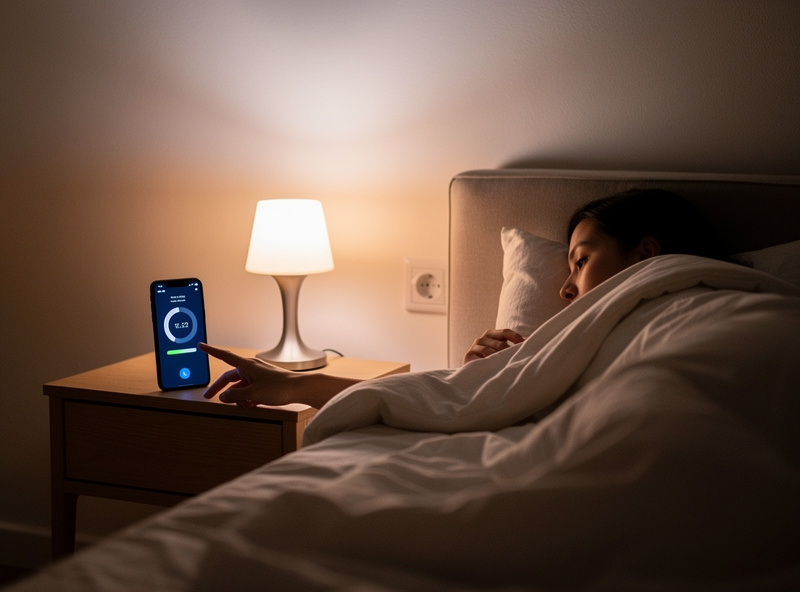
These routines work with the Hue Bridge and require the newer generation of White Ambiance bulbs for full color temperature range.
Wyze Sleep Mode
Wyze offers simplified sleep scheduling. Set bedtime hours in the app, and bulbs automatically shift to warm amber and reduce brightness during those times. While less sophisticated than Hue, it provides solid sleep support at a fraction of the price.
Third-Party Automation Options
If your preferred bulbs lack native sleep features, use automation platforms like SmartThings, Hubitat, or Home Assistant to create custom routines. These platforms connect multiple bulb brands and trigger complex scenes based on time, motion, or other smart home events.
FAQ
What color temperature is best for sleeping?
2200K-2700K warm white is ideal for bedrooms. Temperatures below 2700K minimize blue light exposure that suppresses melatonin production. Many smart bulbs offer a dedicated night-light mode around 2200K that creates a candlelight-like warmth specifically designed to promote drowsiness.
Should I leave smart bulbs on all night?
No. Use scheduling or sunset automation to dim bulbs gradually and turn them off at bedtime. Smart bulbs in standby draw only 0.2-0.5 watts, so turning them off does not save significant energy, but eliminating light exposure during sleep improves sleep quality measurably.
Can smart bulbs simulate sunrise?
Yes. Most smart bulbs support sunrise simulation that gradually increases brightness and color temperature over 15-30 minutes before your alarm. Philips Hue, LIFX, and Wyze all offer this feature through their apps or compatible routines in Alexa and Google Home.
Do smart bulbs work with dimmer switches?
Standard dimmer switches cause flickering and can damage smart bulbs. Either use a regular on/off switch and control dimming through the app, or install a smart switch specifically designed for smart bulb compatibility. Never use a traditional dimmer with smart bulbs.
How many lumens do I need for a bedroom?
Most bedrooms need 1,500-3,000 lumens total. For a bedside lamp, 400-800 lumens per bulb works well. Smart bulbs typically output 800-1,100 lumens at full brightness, so two bedside smart bulbs plus an overhead fixture provide comfortable bedroom lighting with full dimming range.
Are smart bulbs safe to leave in lamps overnight?
Yes. Smart LED bulbs run cool and are UL-certified for continuous operation. They produce far less heat than incandescent bulbs and pose no fire risk in properly rated fixtures. The standby power draw of 0.2-0.5 watts generates negligible heat.
Bottom Line
The best smart bulbs for bedrooms prioritize warm color temperatures (2200K-2700K), smooth dimming to low levels, and sleep automation features. Philips Hue White Ambiance offers the most comprehensive sleep-focused features if budget allows. Wyze Bulb Color provides excellent value for those prioritizing cost savings.
In my own bedroom I run two bedside Hue White Ambiance bulbs and a single Nanoleaf Essentials A19 in the overhead fixture — three zones from three bulbs, each with an independent schedule. Focus on placing bulbs in overhead fixtures and bedside lamps for maximum impact. Configure evening wind-down scenes with warm, dim light and morning wake-up routines that simulate natural sunrise. These automated transitions support your body’s natural sleep cycles better than manual adjustments.
Ready to upgrade other rooms? Explore our complete guide to the best smart home devices for 2026 to create a fully connected, sleep-optimized home.
Related Articles
- Best Smart Lights 2026: Complete Buyer Guide
- Smart Bulb Color Temperature Explained
- How to Set Smart Lights to Simulate Sunrise
- Best Smart Lights That Work Without a Hub
- Best Smart Lights for Apartment Renters