Robot Mop: Best Dedicated Mopping Robots
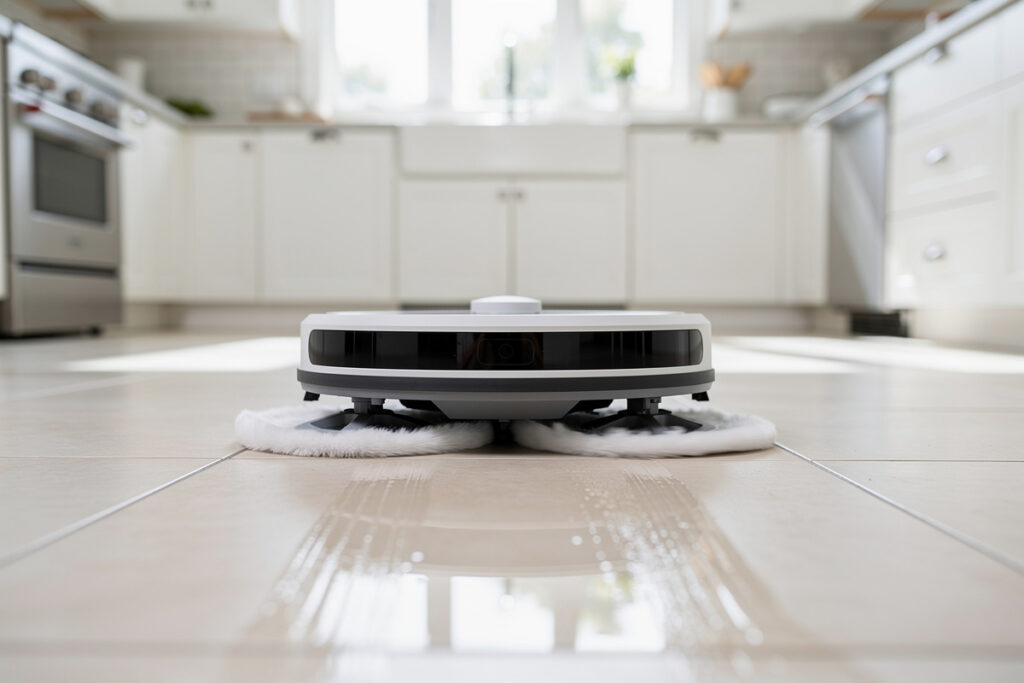
A dedicated robot mop scrubs hard floors with 8 to 14 Newtons of downward pressure using spinning or oscillating pads, delivering meaningfully more cleaning force than the mopping attachment on a vacuum-mop combo unit. Standalone robot mops apply concentrated cleaning power to hard floor surfaces — tile, hardwood, vinyl, stone — using fresh water delivery and dirty water extraction systems that leave genuinely clean, streak-free floors after every session.
As an Amazon Associate I earn from qualifying purchases.
Dedicated robot mops exist because the mopping function on combo vacuum-mop units is fundamentally compromised by design constraints. A combo robot must balance weight, height, and battery capacity between vacuuming and mopping, which limits mop pad pressure, water tank size, and cleaning pattern sophistication. A standalone mop has one job and allocates its entire chassis, battery, and motor to doing that job well. This guide explains when a dedicated mop makes sense, how the technology works, and how it compares to combo unit mopping.
I added a dedicated robot mop to my setup after six months of being dissatisfied with the passive-drag mopping on a combo unit. The difference in floor feel is immediate — after a dedicated mop run, bare feet don’t pick up a single grain of anything, and the tile grout lines in my kitchen are visibly lighter. A standalone mop uses 2-3 times more downward pressure and covers each square foot with fresh water rather than dragging the same dirty pad across the entire floor. If your home is mostly hard surfaces, pairing a $250 vacuum-only robot with a $300 dedicated mop gives you better results than any $800 combo unit.
How Dedicated Robot Mops Clean
Dedicated robot mops use one of two cleaning mechanisms: dual spinning pads or oscillating flat pads. Dual spinning pads rotate at 150 to 200 RPM with 8 to 14 Newtons of downward pressure, physically scrubbing the floor surface similar to a floor buffer. Oscillating (sonic) pads vibrate at up to 4,000 times per minute with 6 to 10 Newtons of pressure, using rapid side-to-side motion to break up dried spills and ground-in grime.
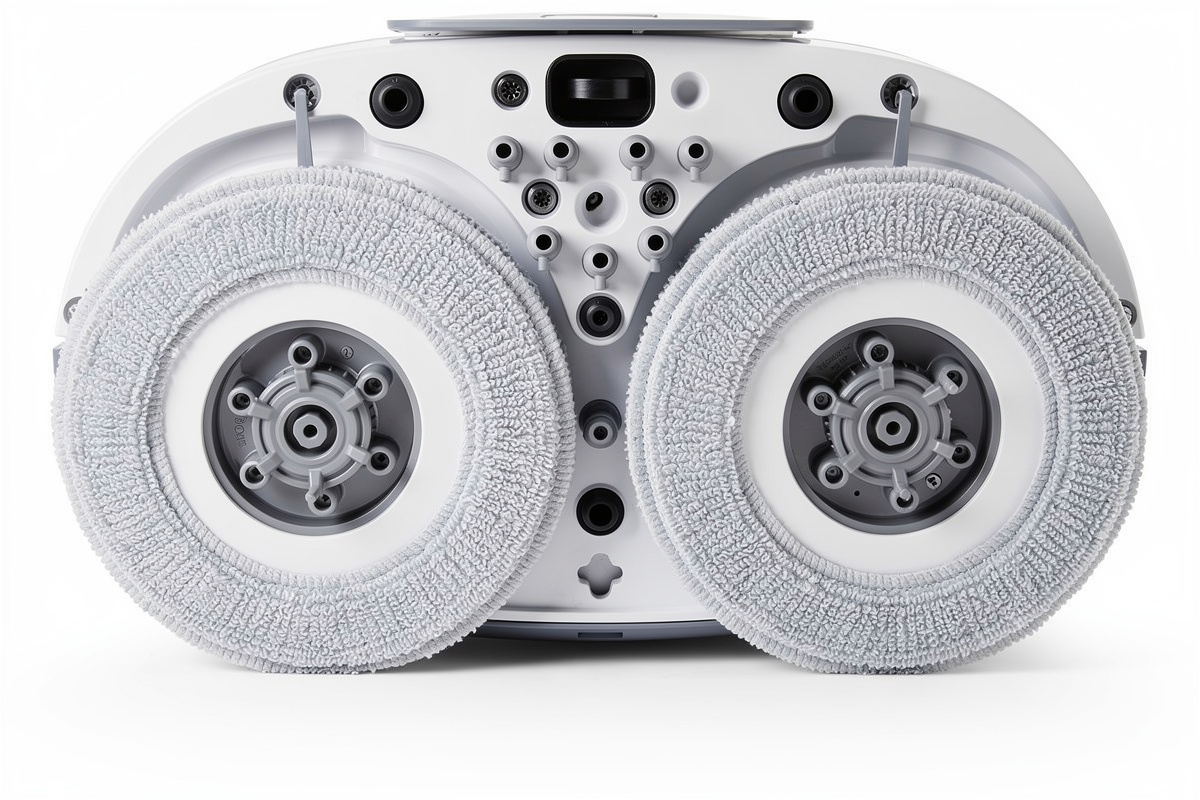
Water delivery systems on standalone mops are more sophisticated than combo units. Fresh water sprays ahead of the mop pad from front-mounted nozzles, pre-wetting the floor surface. The pad scrubs through the wetted area, and a rear squeegee or suction channel collects dirty water into a separate waste tank. This clean-water-in, dirty-water-out cycle prevents the pad from redistributing grime — the critical weakness of basic drag-cloth mopping systems.
Path planning for mopping differs from vacuuming. Robot mops clean in tighter overlapping rows (50 to 70 percent overlap versus 10 to 20 percent for vacuums) because mopping requires consistent pad contact across the entire floor surface. This means a robot mop takes 2 to 3 times longer to clean the same area as a robot vacuum — a 200 square foot kitchen takes 20 to 30 minutes with a mop versus 8 to 12 minutes with a vacuum. The slower pace delivers meaningfully cleaner floors.
When You Need a Dedicated Robot Mop
Homes with 70 percent or more hard floor area benefit most from a standalone mop. If your daily floor maintenance challenge is keeping tile, hardwood, or vinyl clean rather than vacuuming carpet, the dedicated mop addresses your primary need better than a combo unit that splits its capabilities. Pair it with a vacuum-only robot from the best robot vacuum lineup for complete coverage.
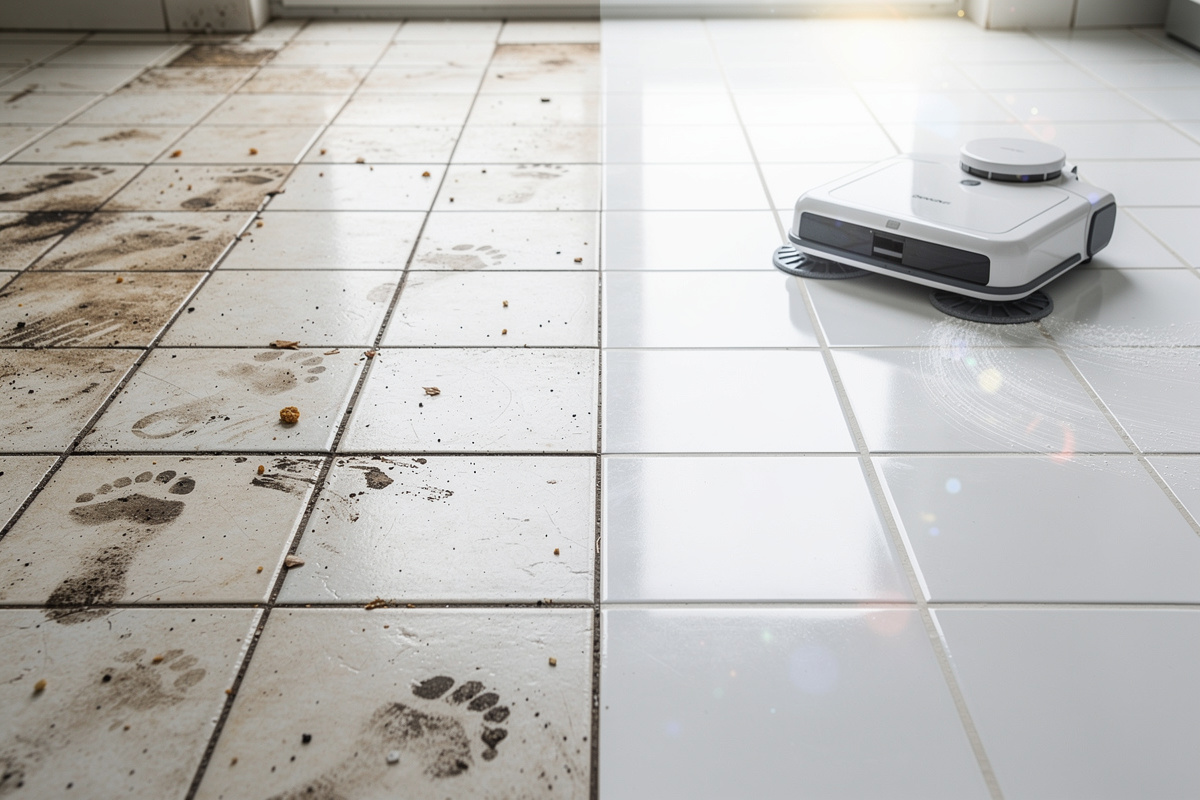
Households with sealed tile floors — kitchens, bathrooms, mudrooms, laundry rooms — see the biggest improvement from a dedicated mop. These surfaces accumulate cooking grease, soap residue, foot traffic grime, and water spots that a vacuum cannot address. A robot mop running daily on kitchen tile eliminates the sticky-floor sensation that builds up between manual moppings and keeps grout lines visibly cleaner.
Hardwood floor owners should verify their finish before using any robot mop. Sealed polyurethane-finished hardwood handles robot mopping safely on low-to-medium water settings. Oiled, waxed, or unsealed hardwood should not be robot-mopped because standing moisture damages unprotected wood. Check your flooring installer’s moisture guidelines before running any robot mop on wood surfaces.
Dedicated Mop vs Combo Unit Mopping
The performance gap between dedicated mops and combo unit mopping is significant enough to influence purchasing decisions for hard-floor-focused households. Dedicated mops apply 8 to 14 Newtons of pad pressure versus 3 to 6 Newtons on combos. They carry larger water tanks (400 to 600ml versus 200 to 300ml on combos), clean in tighter overlapping paths, and feature separate clean and dirty water circuits standard rather than as a premium option.
Combo units win on convenience and space efficiency. One robot, one dock, one app handles both vacuuming and mopping. A dedicated mop plus a separate vacuum means two robots, two docks, two charging spots, and two maintenance schedules. For most households, a premium vacuum-mop combo with sonic mopping delivers “good enough” mopping for daily maintenance, and the simplicity of one device outweighs the cleaning performance advantage of two.
The ideal setup for maximum floor cleanliness is a vacuum-only robot running daily plus a dedicated mop running 2 to 3 times per week on hard floor areas. This costs $700 to $1,200 total for two mid-range robots but delivers results that no single combo unit can match. This two-robot approach makes practical sense in large homes with extensive hard floor areas, or in households where floor cleanliness is a high priority due to toddlers, allergies, or entertaining frequency.
Self-Cleaning Mop Docks
Premium robot mops dock to self-cleaning stations that wash mop pads with hot water, scrub them against a textured cleaning plate, rinse with fresh water, and dry with warm air. This cycle takes 3 to 5 minutes and runs automatically after each cleaning session. Without a self-cleaning dock, you wash mop pads by hand after every use — a task that takes 2 to 3 minutes and makes the hands-free experience significantly less hands-free.
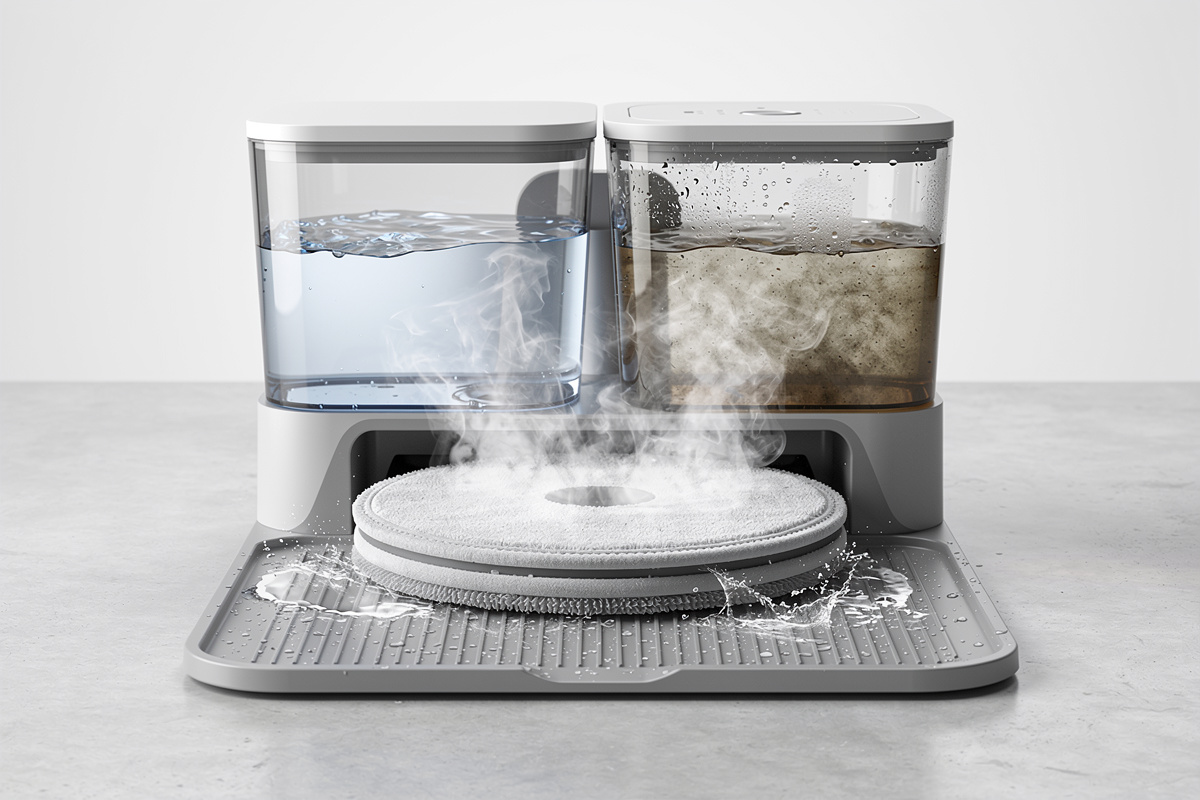
Self-cleaning docks for dedicated mops include separate clean and dirty water reservoirs (typically 3 to 4 liters each), supporting 4 to 7 mopping sessions before manual tank management. Some docks dispense concentrated floor cleaning solution at the correct dilution ratio, eliminating the need to pre-mix solutions. The dock adds $150 to $300 to the purchase price but transforms the mop from a semi-automated tool into a genuinely autonomous cleaning system.
Robot Mop Maintenance and Running Costs
Mop pads are the primary consumable. Reusable cloth pads last 50 to 100 wash cycles before losing cleaning effectiveness — roughly 3 to 6 months of daily use. Replace reusable pads when they feel thin or fail to absorb water effectively. Disposable pads cost $15 to $25 for packs of 20 to 30, appropriate for households that prefer zero pad-washing maintenance. Most dedicated mops include 2 to 4 reusable pads in the box.
Cleaning solution costs $10 to $15 per bottle lasting 4 to 8 weeks at recommended dilution ratios. Using plain water is acceptable for daily maintenance mopping but cleaning solution improves results on greasy kitchen floors and removes soap scum from bathroom tile more effectively. Avoid bleach-based or highly acidic solutions that can damage mop pads, dock components, and certain floor finishes.
Robot Mop Smart Home Integration
Robot mops integrate with voice assistants similarly to robot vacuums — start, stop, dock, and room-specific commands through Alexa and Google Home. The most useful automation triggers a kitchen mop run 30 minutes after dinner using a time-based routine, or starts a bathroom mop after the morning shower routine completes.
Schedule mop runs differently than vacuum runs. Mopping after vacuuming produces the best results — vacuum first to remove loose debris, then mop to address stuck-on grime. If running both robots, schedule the vacuum 30 to 60 minutes before the mop so the floor is debris-free when mopping begins. Some companion apps support linked scheduling between same-brand vacuum and mop units. Use home automation routines to chain different-brand units together.
In my own setup, the mop doesn’t run off the manufacturer’s app schedule at all — it runs off a Home Assistant automation triggered by the vacuum’s “cleaning complete” state, with a 30-minute delay baked in so the floor has time to dry off any residual dust before the mop pad goes over it. That state-based trigger is more reliable than a fixed clock time, because if the vacuum automation gets pushed back (guests over, a door left open, a pet on the rug), the mop follows it instead of starting on a fixed schedule against a dirty floor. The mop and vacuum are different brands in my house, so I never got same-app linked scheduling to work — Home Assistant’s generic vacuum entity plus a simple automation did the job that the two companion apps couldn’t do together.
Troubleshooting a Robot Mop That Isn’t Cleaning Well
Streaking is almost always a pad problem, not a water problem. A pad that’s gone stiff or matted from missed wash cycles will drag grime across the floor instead of lifting it — pull the pad and check it by hand before assuming the dock’s washing cycle is broken. If the dock itself is the culprit, check the dirty-water tank first; a full tank stops the wash cycle partway through on most models, and the pad goes back onto the robot still carrying yesterday’s dirt.
A mop that stops mid-room usually means it lost contact with the floor sensor or drove itself into a wet patch its cliff sensors mistook for a hazard — wipe the sensor housing on the underside and make sure the water flow rate isn’t set high enough to pool ahead of the robot. Grout lines that stay dingy even after regular runs are a sign the pads need cleaning solution, not just water; I keep the daily runs on plain water and save the solution for a once-a-week deep pass, which keeps pad wear down without leaving the floor sticky.
Cleaning solution selection affects both mop pad longevity and floor finish preservation. Use manufacturer-recommended solutions or pH-neutral floor cleaners diluted according to label instructions. Avoid vinegar-based solutions on natural stone and wax-based cleaners that leave residue buildup on the mop pads and dock cleaning plate. Most dedicated robot mops work effectively with plain warm water for daily maintenance, reserving cleaning solution for weekly deep-clean sessions when stuck-on grime needs chemical assistance.
A dedicated robot mop is a specialized tool — it does one job exceptionally well and is useless for anything else. If your home is 60% or more hard floor, the combination of a vacuum-only robot plus a dedicated mop produces better results than any single combo unit on the market at a comparable total price. I run the vacuum at 8 AM and the mop at 8:30 AM, and by 10 AM the floors are cleaner than they were when I used to Swiffer every three days. The $300 for a standalone mop and a self-cleaning dock is the second-best purchase in the cleaning-automation category — right behind buying a robot vacuum in the first place.
Frequently Asked Questions
Is a robot mop better than a vacuum mop combo?
Dedicated robot mops apply 2 to 3 times more cleaning pressure than combo units and carry larger water tanks. They clean hard floors significantly better. Combo units offer convenience by handling both tasks in one device.
Can a robot mop clean dried spills?
Yes. Spinning and oscillating pad robot mops with 8 to 14 Newtons of pressure scrub through most dried kitchen spills including coffee, juice, and sauce. Very old or sticky residue may require a pre-soak or second pass.
How often should a robot mop run?
Daily mopping on kitchen and bathroom floors keeps surfaces consistently clean. Living areas and hallways benefit from 2 to 3 sessions per week. Adjust frequency based on foot traffic, cooking frequency, and household size.
Do robot mops work on hardwood floors?
Robot mops work safely on sealed polyurethane-finished hardwood at low to medium water settings. Oiled, waxed, or unsealed hardwood should not be robot mopped because moisture can damage unprotected wood surfaces.
Do I need both a robot vacuum and robot mop?
For hard-floor-dominant homes, a vacuum plus dedicated mop delivers the best results. For homes with mixed hard floor and carpet, a single vacuum-mop combo is more practical and space efficient.
How much water does a robot mop use?
Robot mops use 200 to 600ml of water per cleaning session depending on tank size, water flow setting, and floor area. A typical kitchen mopping uses 150 to 250ml. Self-cleaning docks use additional water for pad washing.
Related Articles
- Best Robot Vacuum 2026: Complete Buyer Guide
- Robot Vacuum and Mop Combo: Complete Buyer Guide
- Window Robot Cleaner: Automated Glass Cleaning Guide
- Roomba vs Roborock: Which Robot Vacuum Wins
- Smart Home Automation Ideas That Save Time