Smart Refrigerator Integration with Home Assistant
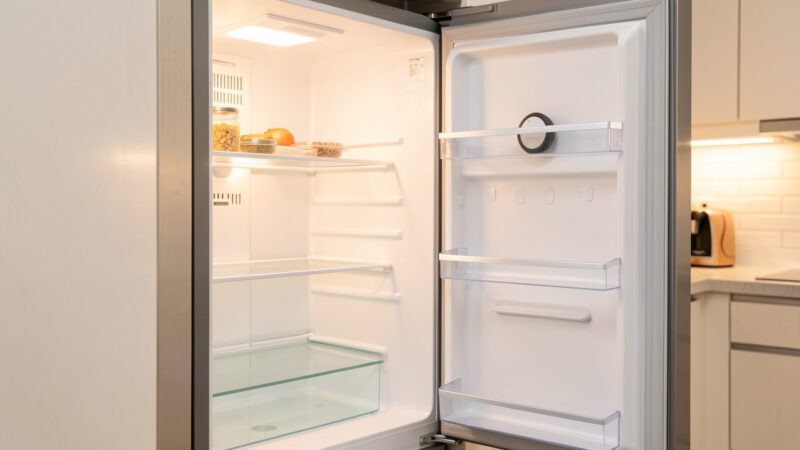
Smart refrigerator integration with Home Assistant is the one appliance project you do for safety, not convenience — and you almost never do it through...
Read ArticleGuides, explainers, and editorials for the modern smart home engineer.
 Explainer
Smart refrigerator integration with Home Assistant is the one appliance project you do for safety, not convenience — and you almost never do it through...
Read Article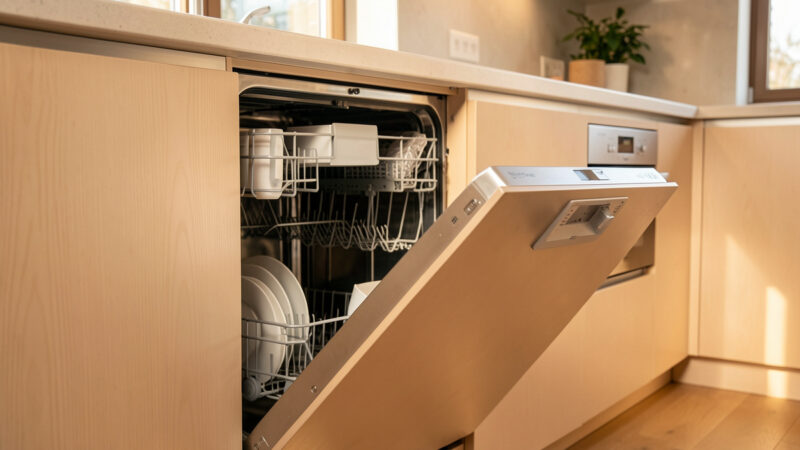 Explainer
Dishwasher smart plug automation is the cleanest appliance win in the house: the dishwasher sits on its own outlet, draws an unmistakable power curve, and...
Read Article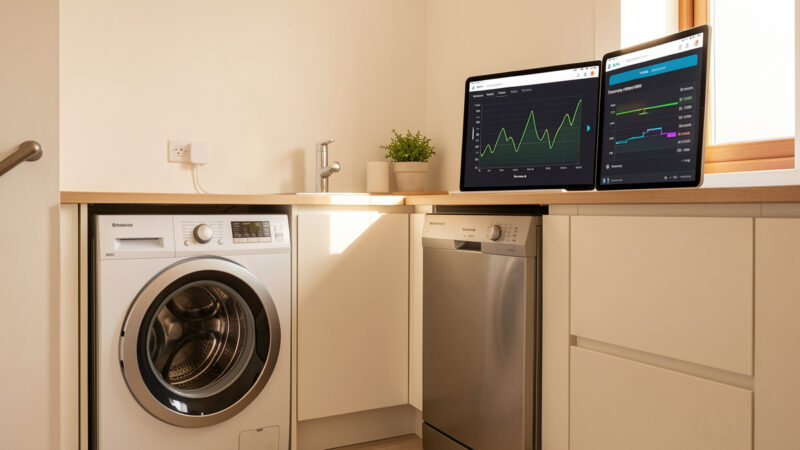 Explainer
Smart home appliance automation means wiring your washer, dishwasher, fridge, and oven into one local rule engine that reacts to their real state — not...
Read Article Explainer
Smart home automation for pets is about the rules, not the gadgets. Once your feeder, door, camera, and litter box are on one local hub,...
Read Article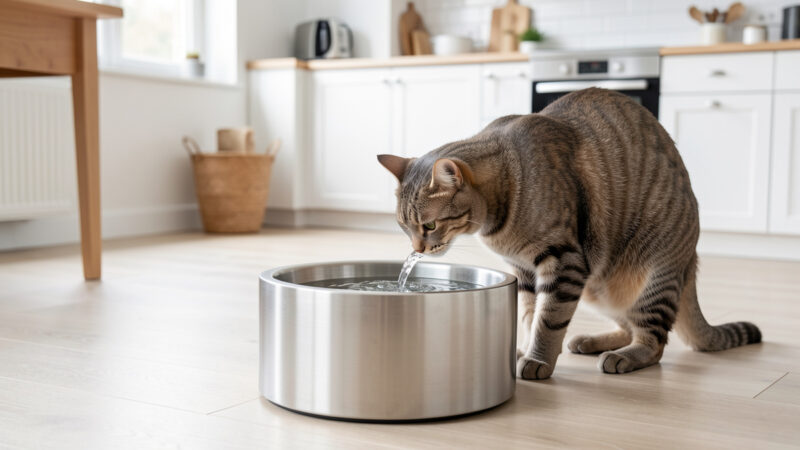 Explainer
The best smart pet water fountain isn’t isn’t the one with the fanciest app — it’s the one that tells you when the water is...
Read Article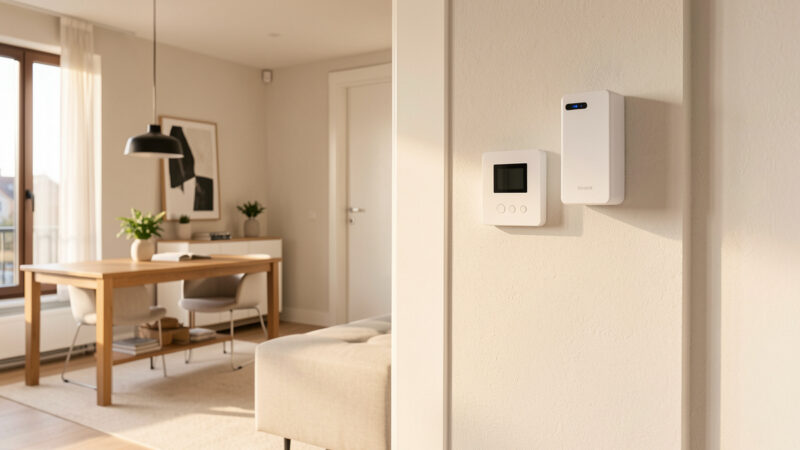 Explainer
The smart home upgrades worth taking to a landlord are the ones that protect or improve the property itself — a hardwired thermostat, leak detection...
Read Article Explainer
A pet camera with a treat dispenser is worth it only if it records locally and the treat-toss fires without a three-second cloud delay. In...
Read Article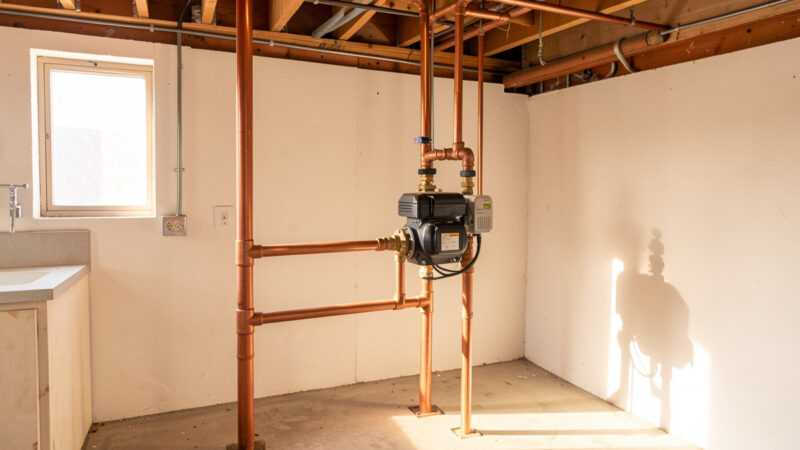 Explainer
A smart water shutoff valve is the one device that turns a leak alert into a non-event: when a sensor goes wet, the valve closes...
Read Article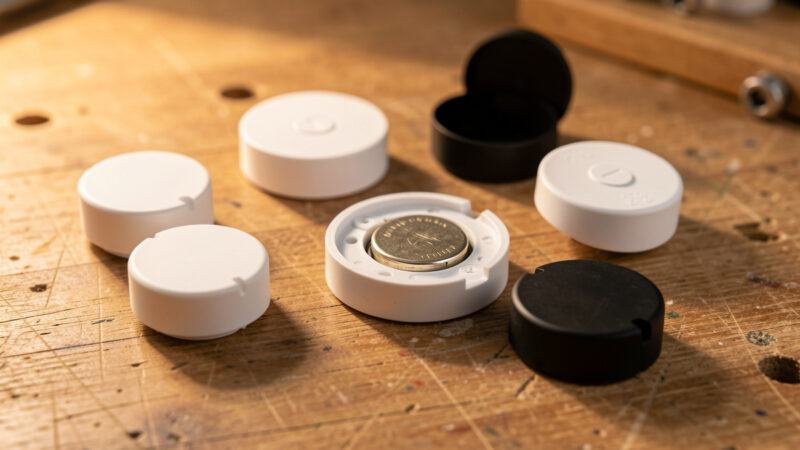 Explainer
The best smart water leak detector is the one that screams locally the instant it gets wet, runs for years on a coin cell, and...
Read Article Explainer
A private smart home is one where the data your devices generate stays under your roof. In my setup that means a local-first Home Assistant...
Read Article