Nest vs Ring Doorbell 2026: Which Smart Doorbell Wins?
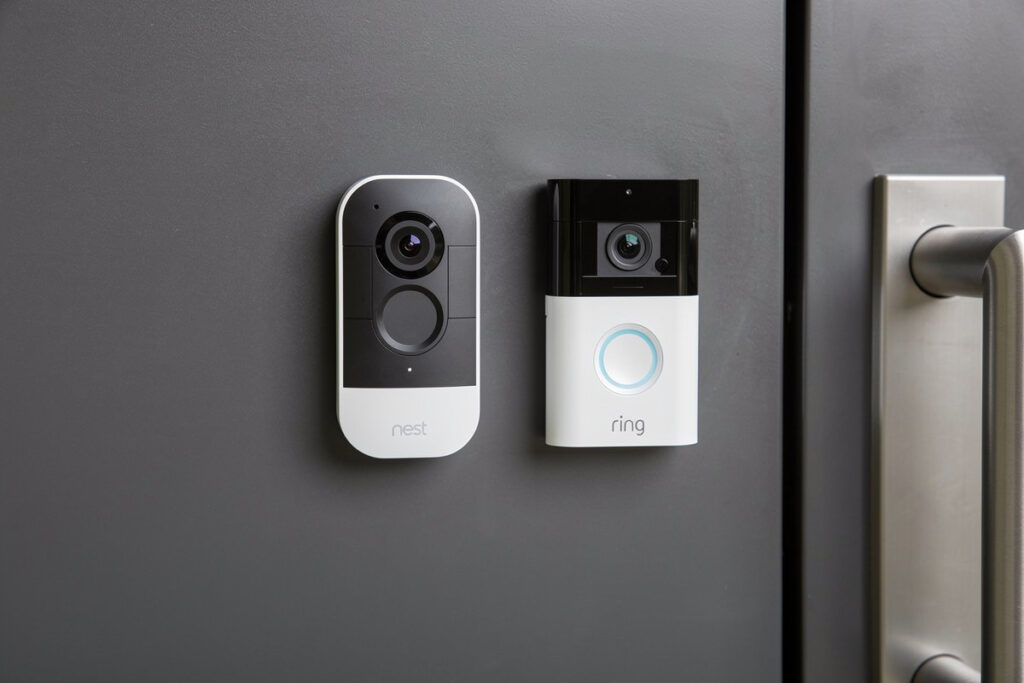
The Nest Doorbell wins for video quality, smart detection, and Google ecosystem integration, while the Ring Video Doorbell wins for affordability, broader smart home compatibility, and subscription-free basic features. They’re the two brands most shoppers compare first when picking a smart doorbell. Both are excellent smart doorbells with distinct strengths — the right choice depends on your existing smart home setup, your budget, and whether you prefer Google’s AI-powered intelligence or Ring’s straightforward reliability.
The smart doorbell market has consolidated around two dominant players: Google’s Nest and Amazon’s Ring. Between them they’re the two names most people consider first, and for good reason — both offer reliable video, effective motion detection, and robust app experiences. But they differ significantly in video quality, subscription requirements, smart home integration, and privacy approach. This comprehensive comparison helps you choose the right one for your home. For a complete overview of all smart security camera options, see the best smart security cameras guide.
Disclosure: HomeAutoCentral is reader-supported. As an Amazon Associate I earn from qualifying purchases, at no extra cost to you. I only recommend gear worth your money.
I tested both doorbells side by side at my house for two months — the Nest on the front door, the Ring on the side entrance — and the differences in detection intelligence and battery endurance are immediately obvious in daily use. Here’s how they compare in every category that matters.
Quick Comparison: Nest vs Ring Doorbell 2026
| Feature | Nest Doorbell (Battery) | Ring Video Doorbell (2024) |
|---|---|---|
| Video Resolution | 960×1280 (3:4 aspect) | 1080p HD (16:9 aspect) |
| Field of View | 145 degrees diagonal | 150 degrees horizontal |
| Night Vision | HDR + night vision | Infrared night vision |
| Power | Battery or wired (8V-24V) | Battery or wired (8V-24V) |
| Smart Home | Google Home, Alexa (limited) | Alexa, Google (limited) |
| Free Features | 3 hours event history | Live view, motion alerts |
| Subscription | Google Home Premium (formerly Nest Aware), Standard $10/mo | Ring Protect Solo, $4.99/mo |
| Price | $180 | $100 |
Video Quality and Field of View
Nest delivers sharper, more detailed video with HDR processing and color night vision, while Ring provides solid 1080p HD with infrared night vision and a wider horizontal field of view. The real difference is in challenging lighting conditions and detail retention — Nest’s computational photography captures detail Ring’s standard processing misses. For a complete security setup, pair your doorbell with smart security cameras covering other angles of your home.
Nest Doorbell: Superior Image Processing
The Nest Doorbell uses Google’s computational photography to deliver sharper, more detailed video than its resolution suggests. The 3:4 aspect ratio captures more vertical space — you can see packages on the ground and visitors’ faces in the same frame. HDR processing handles challenging lighting conditions like bright sunlight and deep shadows simultaneously.
The night vision on Nest uses ambient light amplification rather than infrared LEDs, producing more natural-looking nighttime footage with color detail instead of monochrome green-tinted video.
Ring Doorbell: Solid 1080p Performance
Ring’s 1080p HD video delivers clear, reliable footage with a traditional 16:9 widescreen aspect ratio. The wider horizontal field of view (150 degrees) captures more of your porch width, which is useful for wide entryways. Night vision uses infrared LEDs, producing clear black-and-white footage but losing color information.
For most users, Ring’s video quality is more than adequate. The difference becomes noticeable when you need to read license plates, identify faces at distance, or review footage in challenging lighting conditions — Nest has the edge in these scenarios.
Smart Detection and AI Features
Nest’s AI-powered detection distinguishes between people, packages, animals, and vehicles — and includes person and package detection for free. Ring’s motion zones are reliable but more basic: person detection and package alerts require a paid Ring Protect subscription.
Nest: Intelligent Package and Person Detection
Google’s AI-powered detection is the most advanced in the consumer doorbell market. The Nest Doorbell can distinguish between:
- People: Detects and alerts when a person approaches your door
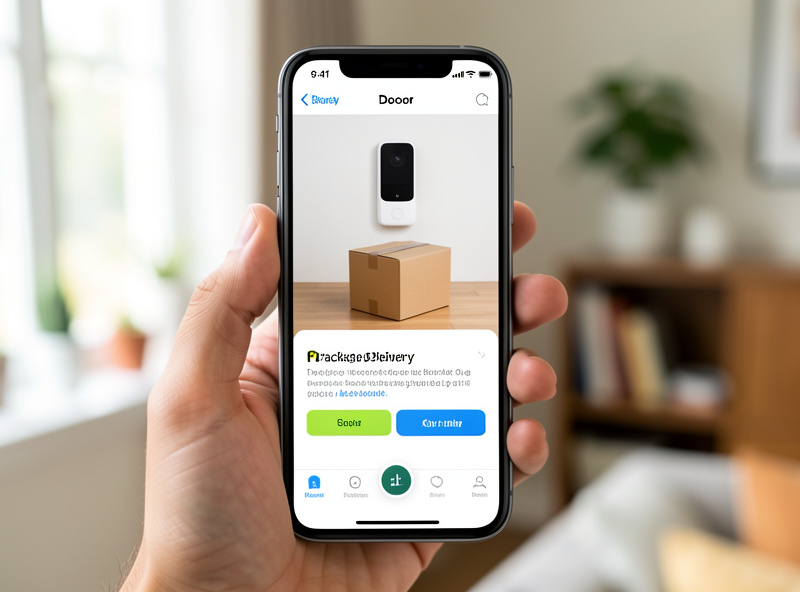
- Packages: Identifies when a package is delivered and alerts you
- Animals: Differentiates between people and pets or wildlife
- Vehicles: Detects cars pulling into your driveway
The package detection feature is particularly valuable — Nest learns your typical delivery patterns and sends specific “package delivered” notifications. It can even detect when a package is removed from your porch, sending an immediate alert.
Ring: Reliable Motion Zones
Ring’s detection system is simpler but reliable. It offers:
- Motion zones: Define specific areas where motion triggers alerts
- Person detection: Available with Ring Protect subscription
- Package alerts: Available with Ring Protect Plus subscription
- Pre-roll: Shows 4 seconds before motion was detected (subscription)
Ring’s motion detection is accurate but less granular than Nest’s. It cannot distinguish between animals and people without the subscription, and package detection requires the higher-tier plan.
Subscription Costs and Free Features
Both Nest and Ring require subscriptions for full functionality, which should factor into your smart home ecosystem decision.
| Feature | Nest (Free) | Google Home Premium ($10/mo) | Ring (Free) | Ring Protect ($4.99/mo) |
|---|---|---|---|---|
| Live View | Yes | Yes | Yes | Yes |
| Motion Alerts | Yes | Yes | Yes | Yes |
| Event History | 3 hours | 30 days | None | 180 days |
| Video Recording | No | Yes | No | Yes |
| Person Detection | Yes | Yes | No | Yes |
| Package Detection | Yes | Yes | No | Yes (Plus plan) |
Key takeaway: Nest includes person and package detection in its free tier, while Ring requires a subscription for these features. However, Ring’s subscription is roughly half the price of Google’s. Over three years, Ring Protect Solo runs about $180 vs Google Home Premium’s Standard plan at about $360 — a significant difference. (Note: Google renamed Nest Aware to Google Home Premium and raised the price along the way — if you see “Nest Aware” pricing quoted elsewhere at $6-8/mo, that’s stale.)
Smart Home Ecosystem Integration
Nest integrates deeply with Google Home and Nest Hub displays — you can view your doorbell on any Chromecast or Android device with a voice command. Ring offers the tightest Alexa integration plus broader third-party compatibility with SmartThings and IFTTT. Your existing ecosystem is the single strongest factor in this decision. Compare Alexa vs Google Home to decide which platform suits your needs.
Nest: Best for Google Home Users
The Nest Doorbell integrates seamlessly with Google Home and Google Assistant. You can view the doorbell feed on Nest Hub displays, Chromecast-enabled TVs, and Android phones. Voice commands work naturally: “Hey Google, show me the front door.”
Nest also integrates with Google’s broader ecosystem including smart home routines, thermostat automation, and camera networks. If you already use Google Home, the Nest Doorbell is the obvious choice.
Alexa support exists but is limited — you can view the feed on Echo Show devices but cannot use advanced Nest features through Alexa.
Ring: Best for Alexa Users
Ring is owned by Amazon and offers the deepest Alexa integration of any doorbell brand. If you are deciding between ecosystems, the Alexa vs Google Home comparison can help you choose. It works with all Echo Show devices, Fire TV, and Alexa routines. You can create automations like “when doorbell rings, turn on porch lights and announce on all Echo devices.”
Ring also works with a broader range of third-party smart home platforms including SmartThings, IFTTT, and various security systems. If you use Alexa or want maximum compatibility, Ring is the better choice.
Installation and Power Options
Both Nest and Ring offer battery and wired installation with a similar 15–30 minute wired setup. The critical difference: Ring’s battery lasts 6–12 months per charge while Nest lasts 2.5–6 months — Ring lasts roughly twice as long between charges. For detailed battery performance data, read the guide on smart doorbell battery life.
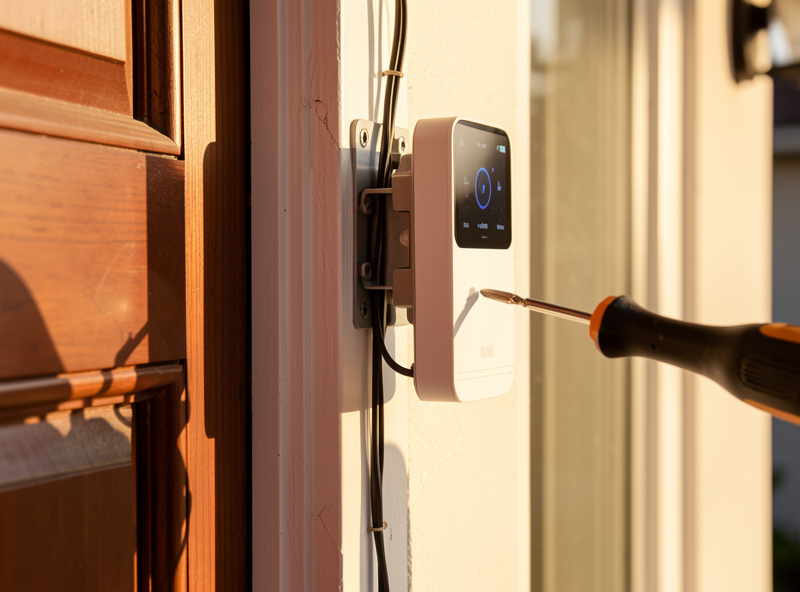
Both the Nest Doorbell and Ring Video Doorbell offer battery and wired installation options. The installation process is similar for both:
Battery Installation (Both)
- Mount the bracket to your door frame with included screws
- Attach the doorbell to the bracket
- Connect to WiFi through the app
- Charge the battery every 2-6 months depending on usage
Wired Installation (Both)
Both doorbells connect to existing doorbell wiring (8V-24V AC). If you have an existing wired doorbell, installation takes 15-30 minutes. Both include step-by-step app guidance and wire labels.
Battery Life Comparison
- Nest Doorbell: 2.5-6 months per charge depending on activity level and temperature
- Ring Doorbell: 6-12 months per charge with typical usage
Ring’s battery lasts noticeably longer, partly because it does not process video as intensively as Nest’s AI-powered detection. In cold climates (below 32°F), both batteries drain faster — Nest more noticeably so.
Privacy and Data Handling
Nest processes video detection locally on-device and encrypts footage both in transit and at rest. Ring stores video in Amazon’s cloud with optional end-to-end encryption — but has faced scrutiny over law enforcement access to user footage. Both have improved their privacy practices significantly, and two-factor authentication is essential on either platform. Learn more about indoor security camera privacy best practices.
Nest: Google’s Privacy Approach
Nest processes video detection locally on the device when possible, sending only alerts to Google’s servers. Video footage is encrypted in transit and at rest. Google states it does not use doorbell footage for advertising purposes. You can request deletion of your data at any time through your Google account.
Ring: Amazon’s Privacy Approach
Ring stores video in Amazon’s cloud with encryption. Amazon has faced scrutiny over law enforcement access to Ring footage — the company previously shared footage with police without user consent, though it has since updated its policy to require user permission. Ring offers two-factor authentication and end-to-end encryption for video storage.
Both companies have had privacy controversies. Neither is perfect, but both have improved their practices significantly in recent years. Enable two-factor authentication on either platform.
Real User Scenarios
The Google Home Household
Sarah and her family use Google Nest Hub displays throughout their home, a Nest thermostat, and Google Assistant on their phones. The Nest Doorbell was the natural choice — it displays on every Nest Hub when someone rings, integrates with their existing smart home devices, and works with their Google Home routines. The package detection feature alone has prevented three stolen deliveries. “The vertical video format is perfect — I can see the person’s face and the package at the same time,” Sarah says.
The Alexa Power User
Michael has 30+ Alexa devices, Echo Shows in every room, and extensive Alexa routines. The Ring Doorbell integrates perfectly with his setup — when someone rings, every Echo Show displays the feed, his porch lights flash, and Alexa announces “Someone is at the door” throughout the house. At $100 for the doorbell plus $4.99/month for Ring Protect, the total cost is significantly lower than the Nest equivalent. “Ring just works with everything I already have,” Michael reports.
The Budget-Conscious Homeowner
Jennifer wanted a smart doorbell but did not want ongoing subscription costs. She chose Ring because the free tier includes live view and motion alerts — the essentials she needed. She plans to add Ring Protect later if she needs video history. “For $100 upfront with no monthly fees, it does everything I need right now,” she explains.
Head-to-Head Verdict by Category
| Category | Winner | Why |
|---|---|---|
| Video Quality | Nest | Better HDR, superior night vision, vertical format |
| Smart Detection | Nest | AI-powered person, package, animal, vehicle detection |
| Free Features | Nest | Person and package detection included free |
| Subscription Value | Ring | $4.99/mo vs $10/mo for comparable features |
| Smart Home Integration | Tie | Nest for Google, Ring for Alexa |
| Battery Life | Ring | 6-12 months vs 2.5-6 months |
| Price | Ring | $100 vs $180 upfront cost |
In my setup I run local-recording cameras and avoid cloud-dependent security where I can, but between these two — the two brands most people compare first — the right call comes down to ecosystem and budget. Here’s the decision framework I’d use.
Which Should You Buy?
Your doorbell choice is part of a broader smart home strategy. Consider whether you need a dedicated smart home hub to coordinate multiple devices.
Choose Nest Doorbell if:
- You use Google Home and Google Assistant
- Video quality and smart detection are your top priorities
- You want package detection without a subscription
- You prefer the vertical video format for package and face visibility
- Budget is not the primary concern
Choose Ring Doorbell if:
- You use Alexa and Amazon Echo devices
- You want the lowest upfront cost ($100 vs $180)
- You prefer cheaper subscription costs ($4.99/mo vs $10/mo)
- You want broader third-party smart home compatibility
- Battery life is important (Ring lasts 2x longer)
Future-Proofing Your Doorbell Choice
Smart home technology evolves rapidly, and your doorbell should remain useful for years. Consider these factors when choosing between Nest and Ring for long-term satisfaction:
Software Updates: Both companies regularly update firmware and apps. Google tends to add AI-powered features to Nest devices, while Ring focuses on security ecosystem expansion. Check the update history for each brand to see which aligns better with your priorities.
Hardware Longevity: Video doorbells typically last 5-7 years before battery degradation or technology obsolescence. Ring offers more affordable replacement options, while Nest devices tend to have longer software support lifecycles.
Ecosystem Lock-in: Once you invest in one ecosystem, switching becomes expensive. Consider which company is more likely to support your other smart home devices in the future. The emerging Matter protocol may reduce ecosystem lock-in, making your choice less permanent than it appears today.
If I were buying today on a budget, I’d pick the Ring — $100 upfront with about $5/month for the basics is hard to beat, and the Alexa integration is the most polished on the market. If video quality and smart detection matter more than price, the Nest’s AI-powered intelligence and superior night vision justify the $180 cost. Either way, wire it if you can — a doorbell you never have to charge is a doorbell you’ll actually use.
Related Articles
- Alexa vs Google Home: Choosing Your Ecosystem
- Best Smart Home Devices 2026
- Best Smart Locks for Renters
- Smart Home for Beginners: Complete Setup Guide
- 15 Smart Home Automation Ideas
Is Nest or Ring doorbell better?
Nest is better for video quality, AI detection, and Google Home users. Ring is better for affordability, battery life, and Alexa integration. Choose Nest if you prioritize smart features and video quality. Choose Ring if you want the best value and use Alexa.
Do I need a subscription for Nest or Ring doorbell?
Nest includes person and package detection for free with 3 hours of event history. Ring includes live view and motion alerts for free but requires Ring Protect (Solo plan, $4.99/mo) for video recording and person detection. Google renamed Nest Aware to Google Home Premium, now $10/mo for the Standard tier. Both require subscriptions for extended video history.
Can Nest doorbell work with Alexa?
Yes, the Nest Doorbell works with Alexa for basic viewing on Echo Show devices. However, advanced features like package detection alerts and Nest routines require Google Home. For full Alexa integration, Ring is the better choice.
Can Ring doorbell work with Google Home?
Ring has limited Google Home support. You can view the live feed on Google Nest Hub displays, but you cannot use Ring-specific features or create Google Home automations with Ring devices. For full Google Home integration, Nest is the better choice.
How long does the battery last on smart doorbells?
Ring Video Doorbell lasts 6-12 months per charge with typical usage. Nest Doorbell lasts 2.5-6 months. Both last less time in cold weather and with high activity levels. Both can be wired to existing doorbell wiring for continuous power.
Which doorbell has better video quality?
The Nest Doorbell has superior video quality with HDR processing, better night vision (color vs infrared), and a vertical 3:4 aspect ratio that captures both faces and packages. Ring’s 1080p video is clear but lacks Nest’s computational photography advantages.